New horizons
Think different Tanya Combrinck looks at the tools that are helping 2D artists push their work into exciting new realms and dimensions
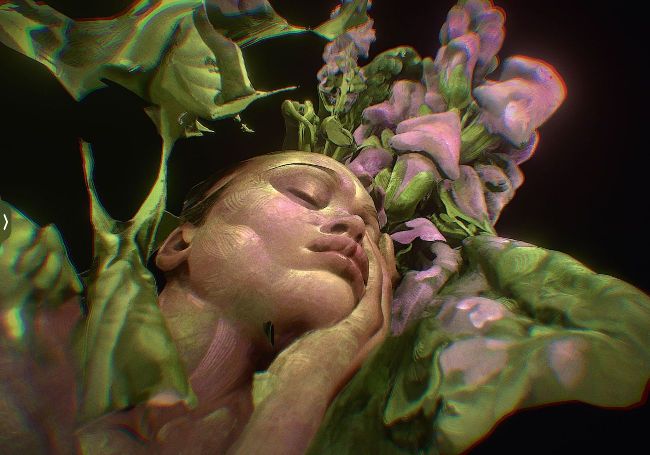
Juliet Nneka captures her subjects with photogrammetry and then paints over the 3D geometry using Procreate.
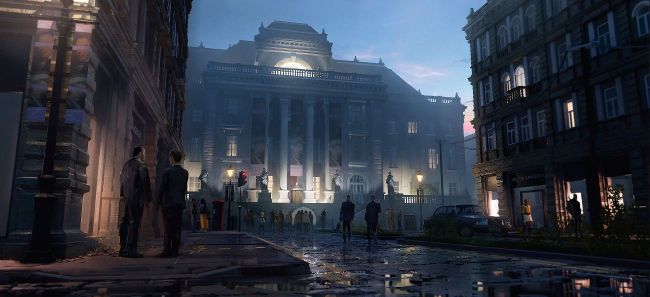
“While it’s not imperative for concept art, I would always recommend that people starting out get a basic understanding of 3D and Blender,” says Jordan Grimmer.
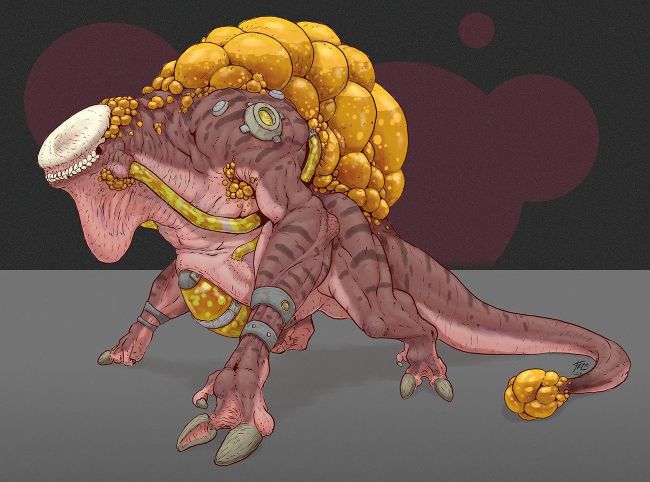
A character from Kelvyn Hulsey’s upcoming game, Enter the THRALL.
More and more artists who have used 2D painting tools for years are expanding their craft into other dimensions and mediums. It’s clear that 3D software in particular is opening up new channels of creativity.
Some are going beyond 3D and into AR and physical sculpture. Others are learning game engines. All of this is made more accessible by tools such as Blender, Affinity Studio and Unreal Engine being free to use, making it easier than ever to try new things.
Concept artist Jordan Grimmer tells us that learning Blender has been a turning point for him. “It has completely changed how I approach creating images and has removed barriers when it comes to experimenting with different workflows,” he says. “For example, I may use it to create a simple block-out for an environment shot, just to help with perspective and lighting, and then paint over it in Photoshop. Or I might get more in-depth and model a few assets for my own scenes.”