Artist insight
CREATE CONCEPTS FOR VIDEO GAMES
Rahul Chandwaney reveals his Blender workflow tips for producing studio-quality, informative environment concepts
3D
Artist Workshop
ADVICE FROM THE WORLD’S BEST 3D ARTISTS
Artist PROFILE
Rahul Chandwaney
LOCATION: India
Rahul’s speciality is environment concepts. He’s worked on several projects, including the upcoming Off the Grid by Gunzilla Games. http://bit.ly/48tUBLp
The aim of this article is to give you some advice on how to become a more effective concept artist for video games using Blender. After working on many client and personal projects, I’ve learned the importance of working fast while also producing quality results.
The ability to iterate on my designs is an important part of working on video games and is part of how I’ve learned to adapt my workflow in Blender. One of the reasons I prefer working in 3D professionally is that it enables me to be of greater help to the production team. The software makes it possible for me to work directly on top of level block-outs and provide concepts with a greater level of depth and storytelling.
One of my goals as a concept artist is to make my visuals look as close to the desired final product as possible – for example, an environment in a first-person shooter. I take pride in the fact that I try to be as informative with every detail that I put into my work. This includes composing, designing and texturing my concepts.
In this piece I want to discuss a few important tips I’ve learnt in my career that will hopefully help you become a valued asset in the industry.
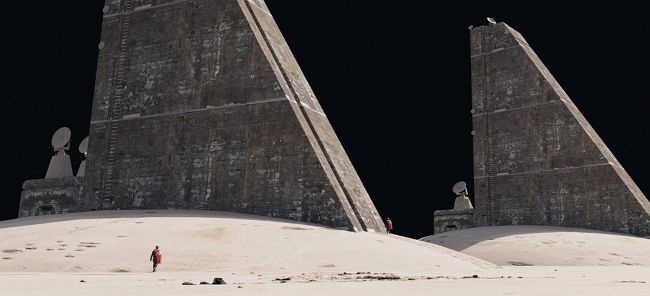
BEFORE
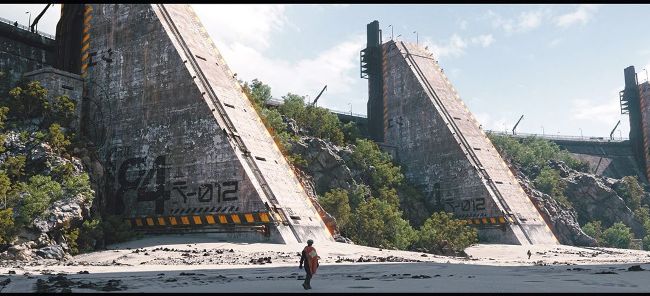
AFTER
1
JUST GET GOING
I love spending hours researching for references in my free time – it’s important to build a vast and developed visual library. But there’s a moment during research when I’ll have an idea for an artwork, and it’s vital to get started on it as soon as possible. Ideas are mostly developed as you work on them, not in your head. This is why it’s important for me to open Blender and start blocking out my idea, to avoid procrastinating and spending too much time on research. This is an important practice for client work too, as you’ll often have a limited time budget to complete a task.