Essential guide to Rainwater harvesting
Collecting and reusing the rainfall that lands on your roof can be a straightforward way to lower your water consumption, save money and make your project more sustainable. Chris Bates looks at how it could work for you
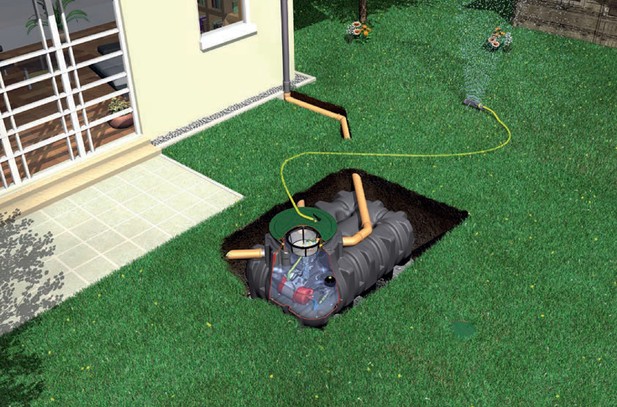
The Platin flat tank from Graf is available in sizes from 1,500 to 7,500 litres. It can be used in either garden-only or full house formats, depending on the filter and pump combination fitted
Capturing rainfall for use around the house and garden isn’t exactly a new idea – but modern rainwater harvesting (RWH) systems go a step further than the humble butt and watering can arrangement. In fact, today’s setups can filter and store thousands of litres of water.
“It’s a simple and effective way to collect and reuse rainfall for a range of applications where drinking-quality water is not required. This includes flushing the WC, laundry, washing the car and irrigating the garden,” says Matthew Rolph from Graf.
What are the advantages?
A well-designed RWH arrangement could cut your water usage by as much as 40%, so if your mains supply is metered, you’ll see a benefit on your bills. Just how much you’ll save will very much depend on factors such as the amount of rainfall in the area, water rates and number of people in your household – and it’s worth weighing this up against the installation costs before you take the plunge.