TRUMP TARIFFS & TECH
INVESTIGATES
How the US President’s trade tariffs are impacting the tech sector
WRITTEN BY DAVID CROOKES
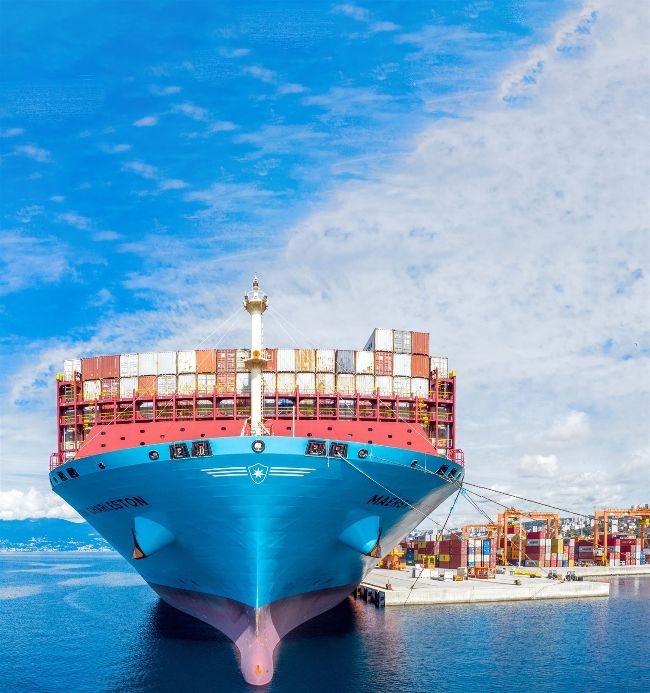
Tariffs could have a devastating impact on international trade, and on tech company supply chains.
Image credit: Apple Inc, Getty Images (vuk8691)
Trade tariff percentages quoted are correct at time of going to press but are subject to ongoing negotiations
For our latest subscription offer see page 34!
Back in 2019, Apple dodged a trading bullet. Targeting Chinese-made consumer goods, President Donald Trump announced 15% tariffs on the company’s flagship products including the iPhone, iPad and Mac notebooks only to see the tariffs abandoned days before they were due to be introduced. Given Apple has a massive supply chain in China, where as many as 80% of iPhones sold in the US are made today, this came as a major relief. But fast-forward to 2025 and the situation is far less certain.
The Washington-Beijing trade war is very much alive, as evidenced by Trump’s decision to slap tariffs of up to 145% on goods from China. It had originally been set at 34% in addition to existing 20% levies during the so-called Liberation Day announcement in the White House Rose Garden on the 2 April 2025. But in a series of tit-for-tat moves from both governments (which saw China counter with 125% tariffs on US goods), it rose substantially, causing the tech market – among others – to become rather jittery. One problem has been a lack of clarity. On the one hand, the US stated its intention to impose tariffs on every country in the world – including uninhabited volcanic islands near Antarctica – only to backtrack by issuing a blanket 10% tax for most countries and a 90-day pause on higher tariffs.