Keeping bees A beginner’s guide
Beekeeper and founder of Buzz Box Mark Meadows introduces the world of beekeeping for all to enjoy
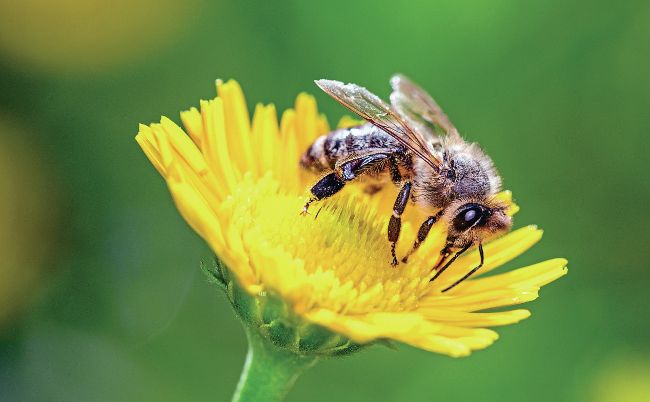
Honeybees are important, so we need to do all we can to help them thrive
Pic credit :Dirk Daniel Mann
B
eekeeping has been around for centuries, and we understand just how vital this remarkable yet vulnerable keystone species is to biodiversity and healthy ecosystems. Without honeybees vast landscapes of flowering plants would vanish, taking with them a significant portion of our food supply. The loss of bee-pollinated plants would also disrupt ecosystems, eliminating crucial habitats and putting many other species at risk.
Unfortunately, honeybee colonies are facing increasing threats including habitat loss, pesticide exposure, climate change, biodiversity decline and even invasive predators like the varroa mite in the 1990s and, more recently, the yellow-legged hornet (also known as the Asian hornet) – all challenges brought on by human activity.
The good news? There are plenty of ways to support these fuzzy little pollinators! Planting a diverse selection of pollinatorfriendly flowers and shrubs, participating in No Mow May and avoiding pesticides and herbicides all make a difference. And if you want to take a more hands-on approach, you can take up a position on the front lines and become a beekeeper, providing a safe place for a hive of your own.