Sketching
Develop a sketchbook habit
Part 1 Steve Strodeintroduces you to the benefits of keeping a sketchbook
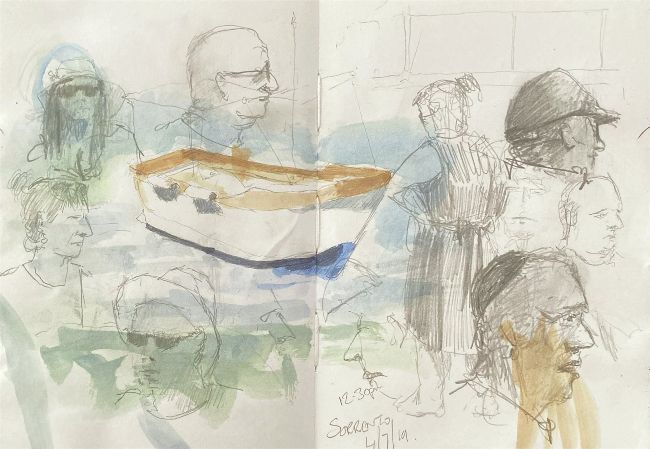
Sorrento studies in a 6x4in. (15x10cm) sketchbook
Do you think you can’t spare five minutes or more a day to draw? Try checking your phone usage or your time spent watching TV, and you might just be surprised. According to Jane Wakefield reporting for the BBC, the average daily phone usage, not including talking, is over four-and-a-half hours. If you’re not into social media, simply substitute any other time-wasting activities of choice. Now, imagine what you could do with over 1600 hours to spare every year. Why not put that time to good use and develop the habit of keeping a sketchbook?
I get it; you don’t use a sketchbook because you just want to paint, or because the sketchbook is not a finished piece of work and a lot of people just don’t see the point. Now hear me out.
The benefits
Like a diary, the sketchbook not only records your days, but also monitors your progress. It’s a safe place to learn, play with new ideas, or experiment with new drawing processes and materials. The sketchbook excludes the judgemental and critical eyes; it’s your private space. Using a sketchbook on a regular basis improves your drawing skills and develops your hand-eye coordination. It will also slow down the process of observing and teaches you to see like an artist and not just look. Then, there’s the powerful link between drawing and memory. Flicking through old sketchbooks, I can instantly recall times or places, the weather, and the sounds, attributes no quickly grabbed snapshot could ever hope to compete with.