HOW IT WORKS
120Hz displays
More magical movies and power to the Pencil
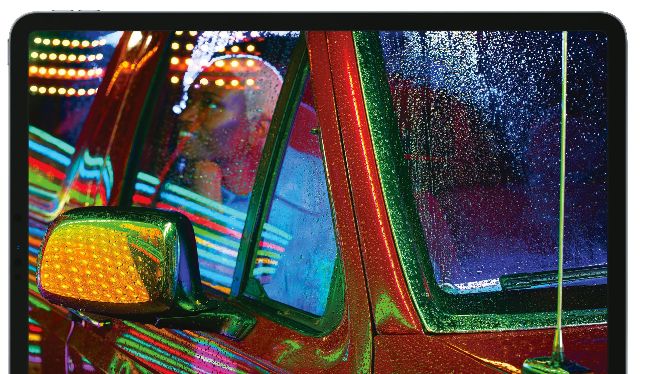
The Liquid Retina display in the new iPad Pro has ProMotion, Apple’s name for 120Hz displays.
YOU WILL LEARN
〉You will learn why faster displays can be worth having
60Hz is good enough for most people right now, so there’s no pressing need to go faster
Key fact
〉Refresh rates tell you how many times per second a display screen is updated. The faster the screen updates, the more smooth and fluid motion will appear. A 60Hz display refreshes 60 times per second; a 120Hz one, 120 times. An E-ink display doesn’t refresh at all until you tell it to, which is why an Amazon Kindle e-reader can go weeks between charges.
In early 2021, there was excitement over a newly unearthed Apple patent for mobile device displays with refresh rates of 120Hz, 180Hz or even 240Hz. The patent fits with multiple rumours that the iPhone 13 will have a 120Hz display. But what does that actually mean?
What refresh rates mean
Whenever you look at something on an electronic screen, you’re actually watching a succession of still images. Those images work just like the celluloid frames of pre-digital cinema: they flash by so quickly that your brain doesn’t see the individual images; it sees objects in motion instead. The faster the frames flash by or the images are updated digitally, the smoother the movement.