PC vs Mac
FOREVER FRENEMIES
The PC and Mac have been rivals for nearly 40 years, yet the Mac has never had the measure of the PC. Could the arrival of Apple silicon finally give the Mac the edge?
Jeremy Laird investigates…
THE 24TH OF JANUARY 1984. Our story begins with the launch of the Apple Macintosh 128K. In the intervening nearly 40 years, the Apple Mac has never been able to match the sales success of the PC but, when it comes to mindshare, the two platforms are on much more equal footing.
As it happens, the Mac had its best year ever in 2021, shifting just under 29 million units. If that sounds impressive, most estimates of overall worldwide personal computer sales last year, not including Apple Mac shipments, suggest a figure of around 325 million desktops, laptops and workstations. In other words, at its best, the Apple Mac isn’t even one tenth as successful as the PC.
If comparing one company to an entire industry seems unfair, several of the bigger beasts in PC sales shift far more units than Apple. Lenovo alone sold 82 million PCs in 2021, HP’s sales were 74 million units and Dell’s 59 million. You get the idea. Whatever the Mac’s merits, market domination isn’t one of them.
Maybe not in sales but, in terms of technical and cultural influence, the contest has been much more competitive. Without getting bogged down in the debate over the origins of various graphical user interfaces, the 1984 Macintosh’s virtual desktop metaphor predated the launch of the first version of Windows by nearly two years. Ever since, there’s been a symbiotic relationship between the two mainstream computing platforms that has seen countless elements of software and hardware either mimicked or adopted wholesale by both sides.
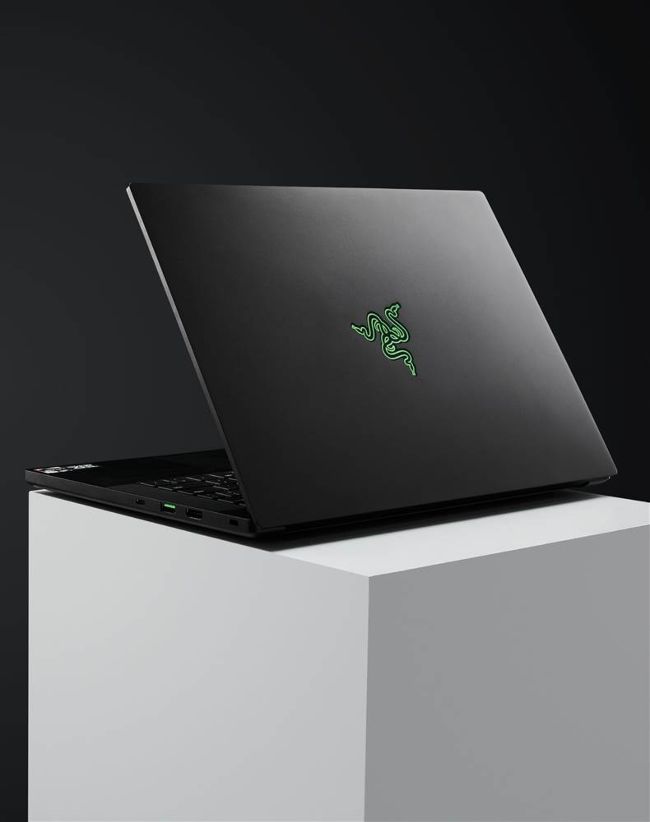
Here in 2022, the Mac is currently going through one of its periodic overhauls, primarily thanks to the shift from Intel CPUs to chips designed in-house by Apple, a process that is due to be complete by the end of the year. By some accounts, the new Apple M1 chip family is revolutionary. Certainly, sales of Macs are on the up. All of which means it’s time to revisit that time-honoured contest: PC versus Mac. Of course, we have a dog in this fight. But that doesn’t stop us from appreciating the things that Apple gets right. In the end, there can be only one winner. Bring it on!
HARDWARE
Throughout the years, for better and for worse, the PC has remained faithful to the x86 line of central processing units. Indeed, an x86 CPU is central to the definition of what it is to be a PC. Meanwhile, the Mac has been architecturally more mercurial.
The original Macs ran Motorola 68000 series CISC chips, with the first major shift in CPU architecture coming in 1994 and the move to PowerPC RISC processors. That generation of Macs lasted another 12 years until Apple famously made the jump in 2006 to Intel x86 CPUs, ensuring the Mac was on a par with the PC in terms of performance and platform features.
In November 2020, Apple made what could be its final transition to processors designed in-house, known collectively as Apple silicon. We’ll dig into the performance comparison in the next section, but suffice to say that Apple silicon is a huge leap forward over the Intel chips it replaced.
Of course, CPUs are just one aspect of the hardware comparison. For many users, build quality, features, and form matter just as much, maybe more. Historically, Apple computers tend to be better built and offer certain specific features or functionality that can’t be had in other machines, while the PC counters with more choice and a wider range of forms and features.
That’s pretty much how things are today. Few, if any, PCs can compete with the sheer physical quality of Apple’s current desktop and laptop computers. Numerous PC manufacturers, for instance, have mimicked Apple’s unibody laptop engineering, in which the main chassis is machined out of a single piece of alloy, typically aluminum. But none have created laptop PCs with the same rigidity and sense of hewn-from-solid-rock integrity as Apple’s MacBooks.