MAKE THE MUSIC PLAY
The exquisite records DIONNE WARWICK made with Burt Bacharach and Hal David set a bar for pop sophistication that may never he topped, leaping across boundaries of genre and race in an era of segregation. But when writs followed hits she proved she could go it alone, too. “I had all these voices asking: ‘What’s she going to do now she doesn’t have Burt and Hal?”’ she tells DAVID HUTCHEON “I just said, This is what I’m gonna do..”
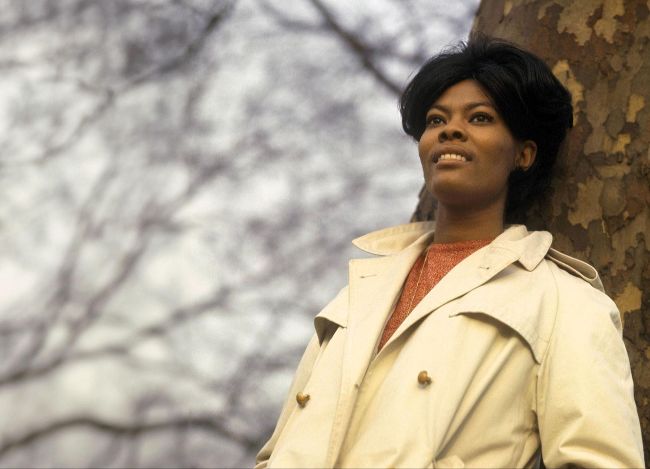
Here I am: Dionne Warwick in Hyde Park, London, 1965.
David Redfern/Getty
APRIL 28, 1963. BACKSTAGE AT PARIS’S OLYMPIA THEATRE, Dionne Warwick was doing her best to remain calm. Waiting to perform at Les Idoles Des Jeunes, she’d met the revue’s local stars Françoise Hardy and Sylvie Vartan and said hello to fellow imports The Shirelles and a 13-year-old Stevie Wonder. After recent months on the chitlin’ circuit in the still-segregated Southern US, her European debut promised a glimpse of another side of life. She took to the stage, however, to applause that quickly gave way to silence. From the cover of Warwick’s latest French release, This Empty Place – featuring a barefoot strawberry blonde in a coquettish pose – they were expecting something, or someone rather different.
“There was an audible gasp when I walked on stage,” Warwick recalls. “They didn’t believe I was Dionne Warwick.” Which is why the first words she said onstage in Europe were, “Yeah, I ain’t no white woman, I’m black.”
The singer, who turned 84 in December, is walking MOJO through a career whose milestones include sessions for Jerry Leiber and Mike Stoller at the dawn of soul, reshaping the Philadelphia sound with Thom Bell in the 1970s, conquering the planet with Barry Gibb in the 1980s and raising millions for Aids research. Towering musically above even those moments, though, are the hits she made with Burt Bacharach and Hal David – Walk On By, You’ll Never Get To Heaven (If You Break My Heart) and Reach Out For Me in 1964 alone – that brought an inimitable uptown sophistication to pop between 1962 and 1971. The only woman who had more American chart action in the second half of the 20th century was Aretha Franklin – albeit with the help of another song written by Bacharach and David and already released by Warwick: I Say A Little Prayer.
It’s a wintry New Jersey lunchtime, not a million miles from the home in which Marie Dionne Warrick – blame a record company admin error for her professional surname – grew up. She was raised in East Orange, a few miles northwest of Newark and within easy reach of New York; her father, Mancel, was a Pullman porter (then butcher, accountant, music executive and road manager); her mum, Lee, worked too, but also sang and managed the family gospel group, The Drinkard Jubilairs, alongside her sister Emily, later known as Cissy Houston and mother of Whitney. Following suit, in 1957 Lee’s daughters Dionne and Delia (AKA Dee Dee) formed the Gospelaires.
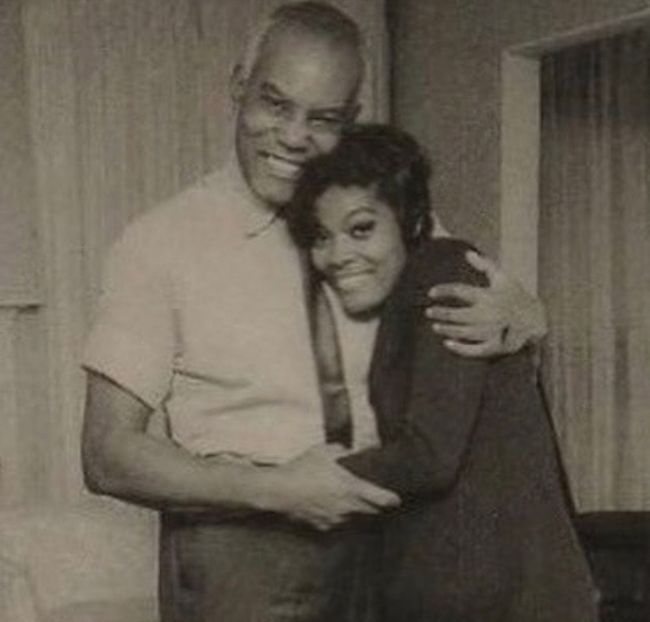
That’s what friends (and family) are for: Dionne with her father, Mancel;
Photograph by DAVID REDFERN
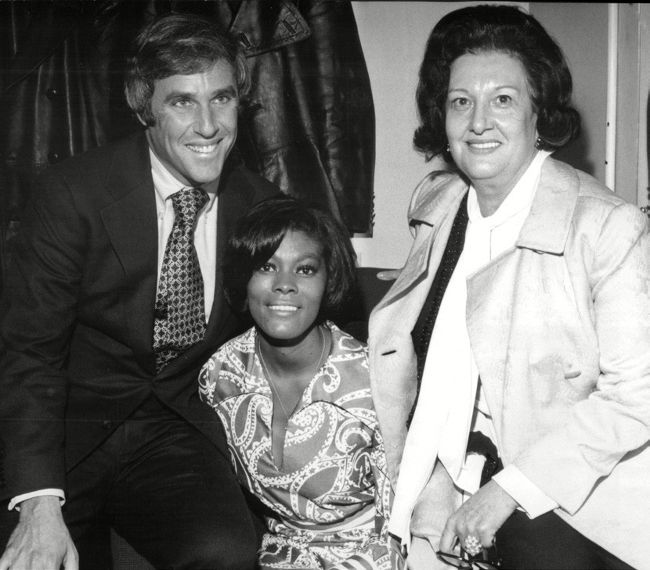
Warwick with Burt Bacharach and Scepter Records president, Florence Greenberg, 1970;
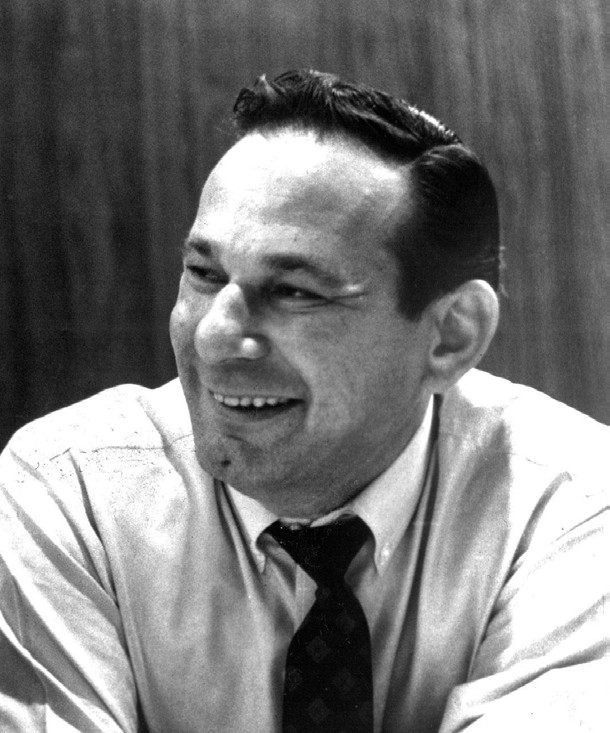
Hal David in the ’60s: “He wasn’t a lyricist,” says Warwick, “he was a poet”;
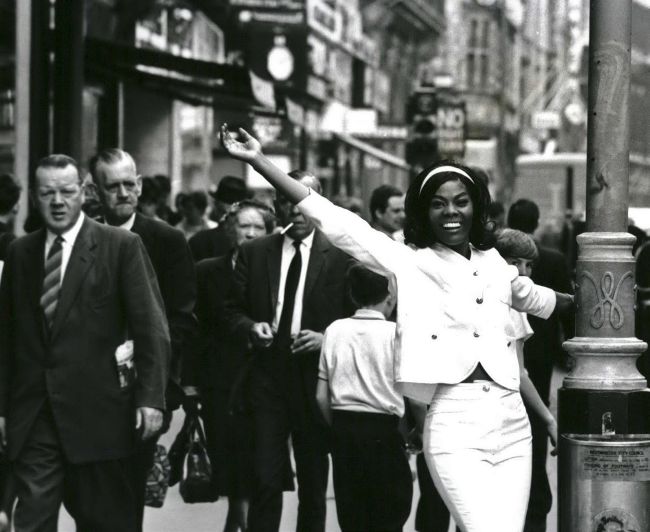
“Ta-da!” Dionne arrives in London, May 5, 1965.
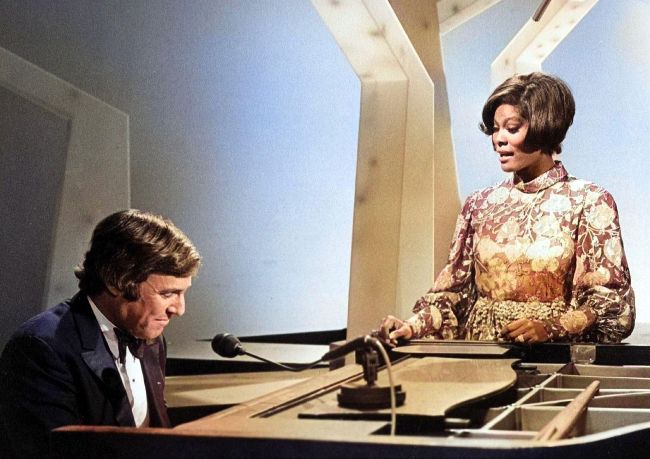
Grand designs: Bacharach and Warwick performing for TV, London, 1970;
Courtesy Dionne Warwick, Alamy (3), Shutterstock
“Gospel had always been the musical foundation in our family,” says Warwick, “but we listened to ‘secular’ music, too, and I’ve never faced any problems for singing both. My parents considered music to be just music, regardless of genre.”