CANON EOS R5
The Canon EOS R5 is the most anticipated camera in years. But does the 45Mp, 20fps and 8K beast live up to the hype?
It is undoubtedly the most talked-about camera of the last ten years, and now the Canon EOS R5 has finally arrived - and along with it, a tidal wave of hype and expectation is hitting the shores of reality and Reddit experts.
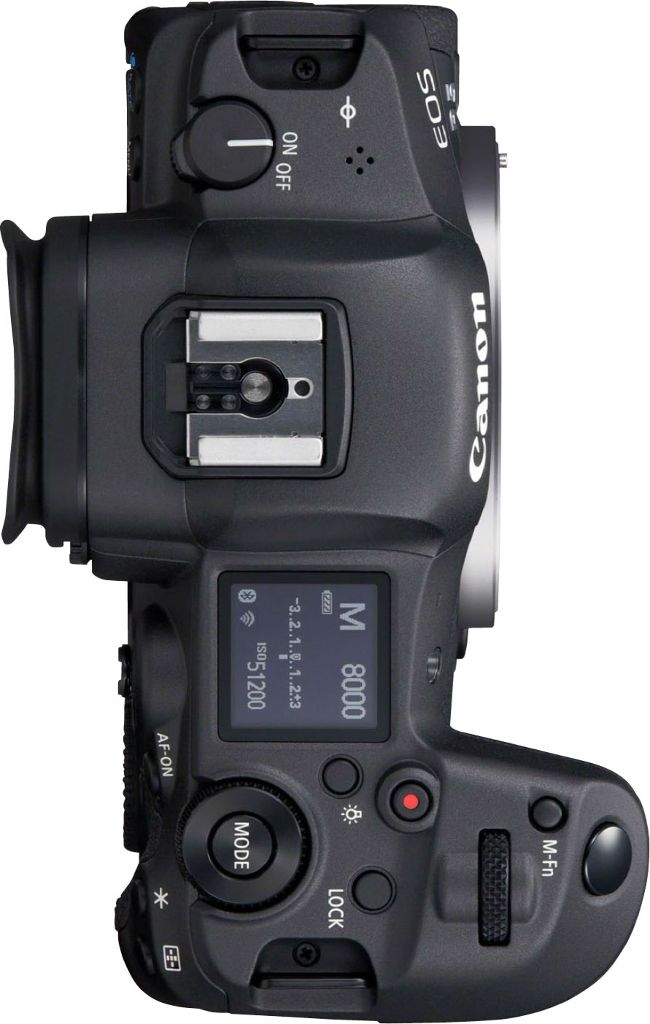
We fully tested the new EOS R5, which is now Canon’s flagship mirrorless camera setting on top of the R tree
The R5 promises the world, with the kind of specs that on paper would make this the ultimate all-purpose camera: a 45Mp full-frame image sensor; uncropped 8K raw internal video; uncropped 4K video all the way up to 120fps; a maximum 20fps continuous shooting speed that matches that of the EOS-1D X Mk III, Canon’s flagship DSLR; autofocus that uses the same AI-based algorithm that powers the flagship, but surpasses it with Dual Pixel CMOS AF II and Animal autofocus; In-Body Image Stabilization that’s good for an incredible 8 stops; support for the cutting-edge CFexpress memory card format and so much more. Of course, something had to be too good to be true. No sooner had the camera been revealed then the realities hit home regarding the headline video capabilities - and ironically, those red-hot specs are literally too hot for the camera to handle, as the R5 is subject to strict recording limitations to prevent it from overheating.

The EOS R5’s 45Mp sensor’s massive amount of megapixels captures so much detail in wildlife images like these
Robert Marc Lehmann
Just how painful is this sting in the tail, and is there anything else on that remarkable spec sheet that’s also proved too good to be true?
On paper, the Canon EOS R5’s specs promise the ultimate all-purpose camera
Key features
As noted, such are the calibre of the Canon EOS R5’s specs that virtually everything about this camera is a key feature. Let’s start with that 45Mp sensor, which Canon claims makes the R5 “the highest resolution EOS camera ever” - supposedly resolving even greater detail than the 50.6Mp Canon EOS 5DS/R.
This is thanks to the new low-pass filter design, which was introduced in the top-boy 1D X Mark III. Traditional low-pass filters (which are designed to get rid of moiré) employ dual-layer, four-point sub-sampling and introduce a layer of softness to images; Canon’s new filter features quad-layer, 16-point sub-sampling and combines it with a Gaussian distribution technique to deliver sharpness that Canon says out-resolves the 5DS/R.