Standing Out From The Crowd
Crowdfunding, copyright claims and the birth of the Marillion Weekend. In an extract from his recent autobiography, Marillion, Misadventures & Marathons: The Life & Times Of Mad Jack, keyboard player Mark Kelly recounts the story behind the band’s first fan-financed album, Anoraknophobia.
Words: Mark Kelly
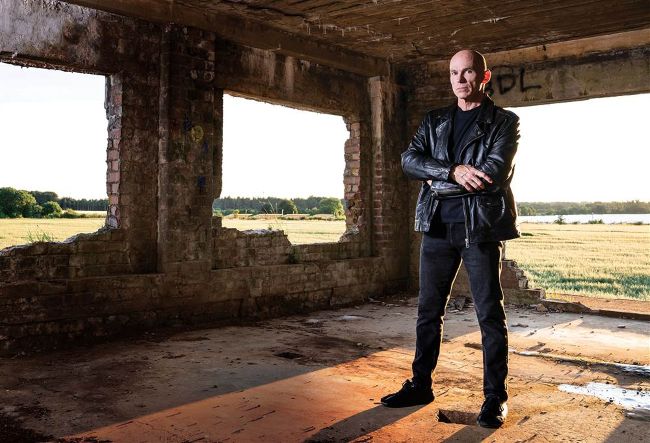
Mark Kelly: proud anorak.
Portrait: Anne-Marie Forker
What was it Oscar Wilde said? “An idea that is not dangerous is unworthy of being called an idea at all.”
We had a database of fans. The whole world was waking up to the potential of the internet and the dot-com bubble that would change the world was just drifting into view. We had no record contract and the US tour fund of 1997 had highlighted the fact that our fans would be willing to spend money up front when it came to the band. Saying that, it still took a few months from parting company with Castle and Sanctuary for the penny to drop. We might share the same barber (and by barber I mean that God cuts both our hair), but I was clearly no Jeff Bezos.
Not that we were sitting around idly. We were beefing up our website with lyrics, news, interviews and anything else we could think of to drive traffic there. As part of our push to become independent we even decided to take on a new employee to work alongside Erik Nielsen [the band’s keyboard techcum-website designer]. We had no money but one more mouth to feed wasn’t going to make much difference.
We had been very impressed with Lucy Jordache’s work on the remastered albums series and over the years we had found out how much she cared about Marillion, even under the auspices of EMI. We invited her to come and work for us full time as our Marketing and Communications Manager. Her head turned by the offer of a pay cut and the wilds of Buckinghamshire, she quickly quit London and her corner office at EMI for a portable cabin in the carpark of the Racket Club. Not just one cabin, we had two! Affectionately referred to as the kebab vans. What a perfectly tuned beast the micro-sized Marillion machine truly was.
We had already started work on the next album and were still debating if we should sign one of the deals on offer. As Brian Wilson almost sang, ‘God only knows we needed the money.’ And then, just like that, it occurred to me. We needed the money, but that was all we needed. We didn’t need anything else from a record company that we couldn’t do ourselves. No lightbulb flash of inspiration, just a problem and a solution.
Standing around the kitchen with mugs of tea in hand, I said to the boys that we should ask the fans to buy the next album in advance through an online pre-order. The money it would bring in would fund us through the making of the album. I did a quick back-of-a-fag-packet calculation and figured that about 6,000 orders would be enough to make it work. History turns on such almost imperceptible moments, though I’m not sure they’re always accompanied by a cup of Yorkshire Gold.
“It was us against the world again. We were making the album we wanted to make, confident and sure of ourselves, with our fans behind us both spiritually and financially.”
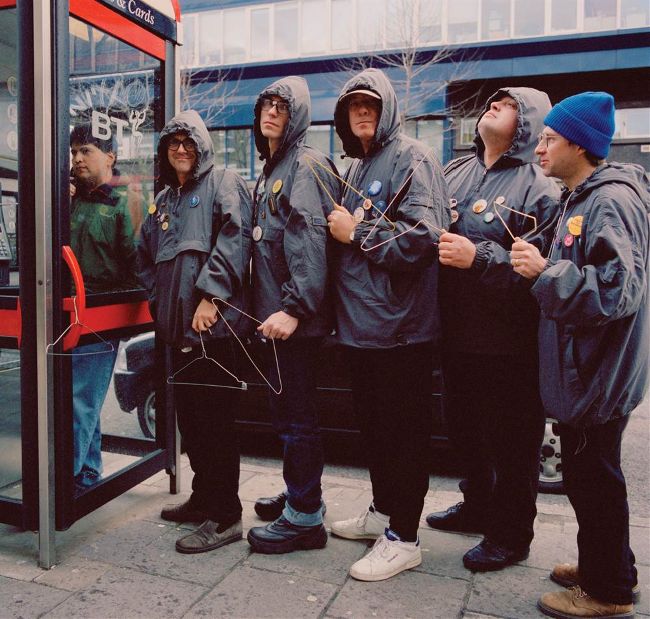
Pretty sure it only takes coins, guys.
JILL FURMANOVSKY
I got a few looks that suggested I had pulled a live raccoon from a sack and deposited it on the kitchen floor, but there was general agreement among the band. Lucy and Erik were especially receptive to the idea. Understandably, all the things that might go wrong were raised: What if we didn’t make enough money? Would we look bad asking for a handout? Might the fans expect some control over the sort of album we were going to make? And so on. There were plenty of reasons why we shouldn’t do it. But there are always plenty of reasons not to do anything. But as I argued (in the most genial way), sometimes you just have to dive off the top board and see how you land, so I pushed for everyone to at least try it.