The way we were
Extracts from memoirs and diaries, chosen by Ian Irvine
Presidential transition in a divided United States
After November elections, the new US President is installed in January—but before the Constitutional Amendment of 1933 the transition lasted until March. In the past this long interregnum could prove fateful when the country was ill at ease. On 6th November 1860, Abraham Lincoln (below) was elected president, the candidate of the Republican Party (founded in 1854), which opposed slavery in new states. His election caused immediate uproar in the Southern slave-owning states and threats of secession. Meanwhile President James Buchanan, a Democrat, remained in the White House until Lincoln’s inauguration on 4th March 1861.
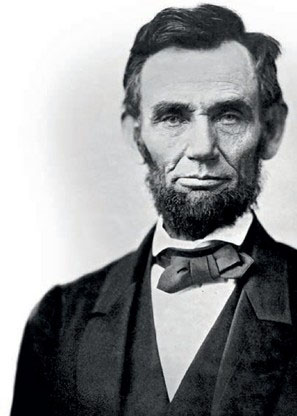
© IAN DAGNALL / ALAMY STOCK PHOTO
The Virginian planter and slaveholder Edmund Ruffin was one of the radical pro-slavery “Fire-Eaters.” He wrote to a friend:
“I cannot doubt that you will view this result as I do, of the clear and unmistakable indication of future and fixed domination of the Northern sections, its abolition policy… and the beginning of a sure and speedy progress to the extermination of negro slavery and the conquest and utter ruin of the prosperity of the South. I cannot doubt that you see the one passage for escape from this impending and awful danger and calamity by secession.”