The world in miniature
Part 3 Follow Peter Hayton as he demonstrates how to produce a miniature marine painting, from explaining the materials he uses to the finishing touches
LEARNING OBJECTIVES
■ Learn and understand the discipline of painting a miniature
■ How to blend washes in a small surface area
■ Learn to paint intricately fine detail in miniature
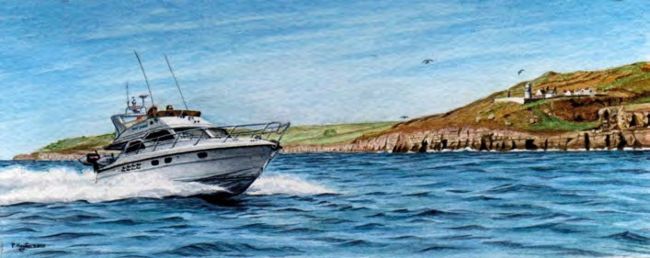
The finished painting Well Chilled off the Purbeck Coast, watercolour on Aquarelle Arches 140lb Hot Pressed 100% cotton paper, 5x7in. (12.5x18cm)
My love for miniature painting came initially from my mother, who painted miniature cat and dog portraits for over 30 years after she retired. I used to joke that I painted miniatures, because I didn’t have time to paint large paintings, but the truth is a miniature painting can take as long as a large one and is far more intensifying on the mind. This is the main reason I paint my ‘little pictures’. I love the concentration you have to put into them and the visual reward when you finish them. The sense of achievement is really surprising and it focuses people on the subject.
I generally paint just over 3x2in. (8x5.5cm) images and have chosen to paint sunsets, sunrises and marine paintings in watercolour, because I love the challenge of laying wash after wash to build up the backgrounds of the finished painting.