CRASHING BY DESIGN
ADDICTION, ALIENATION, OBSOLESCENCE-IN THE '80s, PETE TOWNSHEND WAS FIGHTING ON MULTIPLE FRONTS. AS KEY SOLO WORKS ARE RE-RELEASED HE REFLECTS ON A DECADE OF CRISIS, AND AN INTRIGUINGLY UNRESOLVED FUTURE, IN WHICH ROGER DALTREY MAY STILL PLAY A PART. "THE WHO ARE NOT DONE YET," HE WARNS MARK BLAKE...
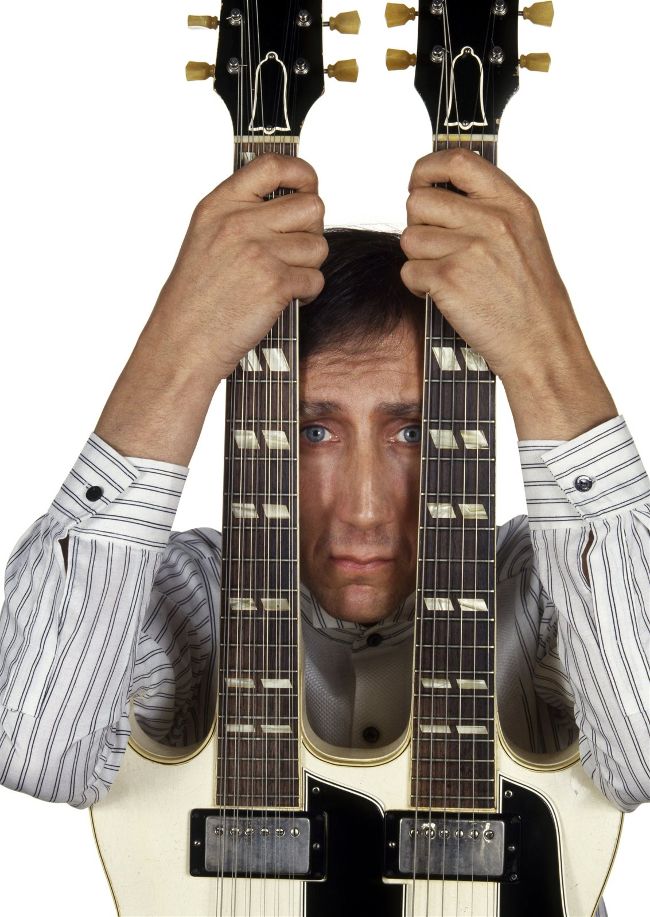
Double identity: Pete Townshend tools up for his solo career, December 1981.
PORTRAIT BY CHALKIE DAVIES
LAST SUMMER, PETE TOWNSHEND FOUND HIMSELF in an unlikely situation, even by The Who’s unlikely standards. The one-time enfant terrible of ’60s pop, who’d famously hoped for death before obsolescence, was 78 and about to plant a tree on the King’s private estate.
The Who had just performed at Sandringham Park, and Townshend and vocalist Roger Daltrey were honouring its eco-friendly mission statement by planting a sapling each. Townshend had a Tilia Cordata Winter Orange and Daltrey a Laurel Oak, plus a spade to lean on while a photographer took pictures.
“I said to Rog, You know we’ve been set up here, don’t you?” recalls Townshend. “I said, This is the moment when you plant a tree and your soul goes in with it. Then they’ll put up a plaque that reads, ‘Herein lie the souls of Pete Townshend and Roger Daltrey.’”
Almost a year on, Townshend squints into the sun on a blustery spring afternoon. “But The Who are not done yet,” he grins. “I don’t want to do what I did before, and say we’re never going to work again.”
The ‘before’ in question was 1982, when The Who played their supposed farewell tour and Townshend released his third (and favourite) solo LP, All The Best Cowboys Have Chinese Eyes. That album and its successor, 1985’s White City, have just been reissued, inviting Townshend to re-evaluate both and the tumultuous circumstances in which they were made.
The Who’s ’70s had seen them on a creative and commercial hot streak, beginning with their US breakthrough, Tommy, and continuing through the grand, filmic Who’s Next and Quadrophenia. But Townshend always considered solo ventures, such as his 1972 debut Who Came First, as a fun antidote to the day job. Then The Who lost drummer Keith Moon in September ’78 and everything changed.
The group continued for a time, but Townshend signed a solo deal and threw himself into the new decade by making music without The Who, planning his equivalent to Prince’s Purple Rain movie, writing books, and navigating The Who’s eventual demise and his personal demons.
“It was a journey into darkness,” he says, today. “If that doesn’t sound too dramatic. You know, I’m still learning how to be in a band,” he adds, with the resigned air of someone who knows he’ll never pass the exam.
"IT WAS A JOURNEY INTO DARKNESS. IF THAT DOESN'T SOUND TOO DRAMATIC."
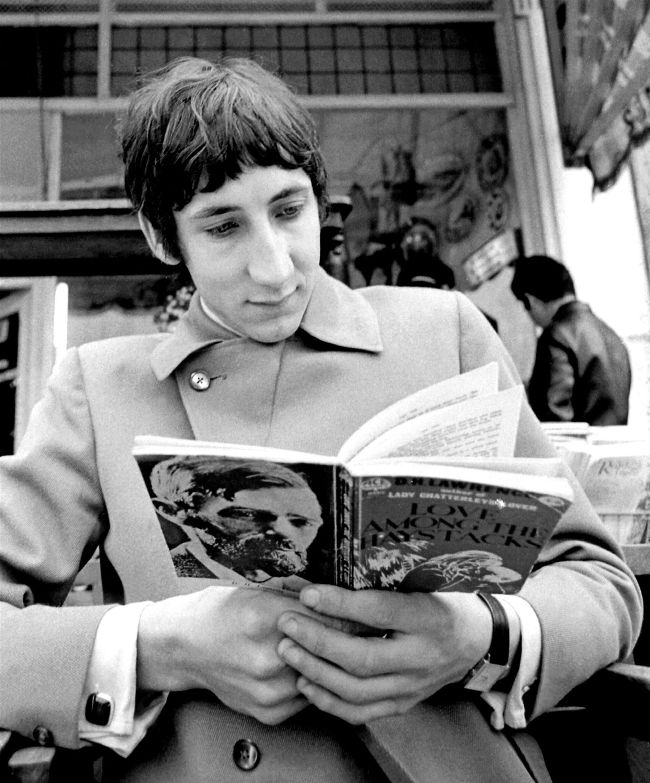
Who came first: Townshend enjoys DH Lawrence at his aunt’s bric-abrac shop, north London, October 8, 1966;
Getty (3), Tony Gale/Alamy, Allan Olley/Mirrorpix/Getty
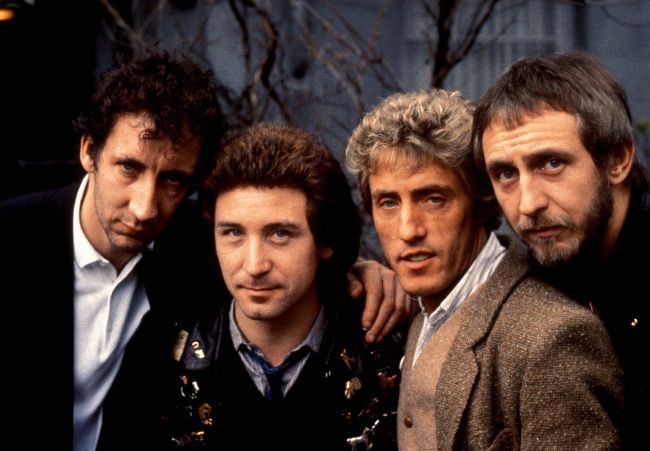
The Who, 1981 (from left) Townshend, Kenney Jones, Roger Daltrey, John Entwistle;
Chalkie Davies/Getty Images Chalkie Davies/Getty Images
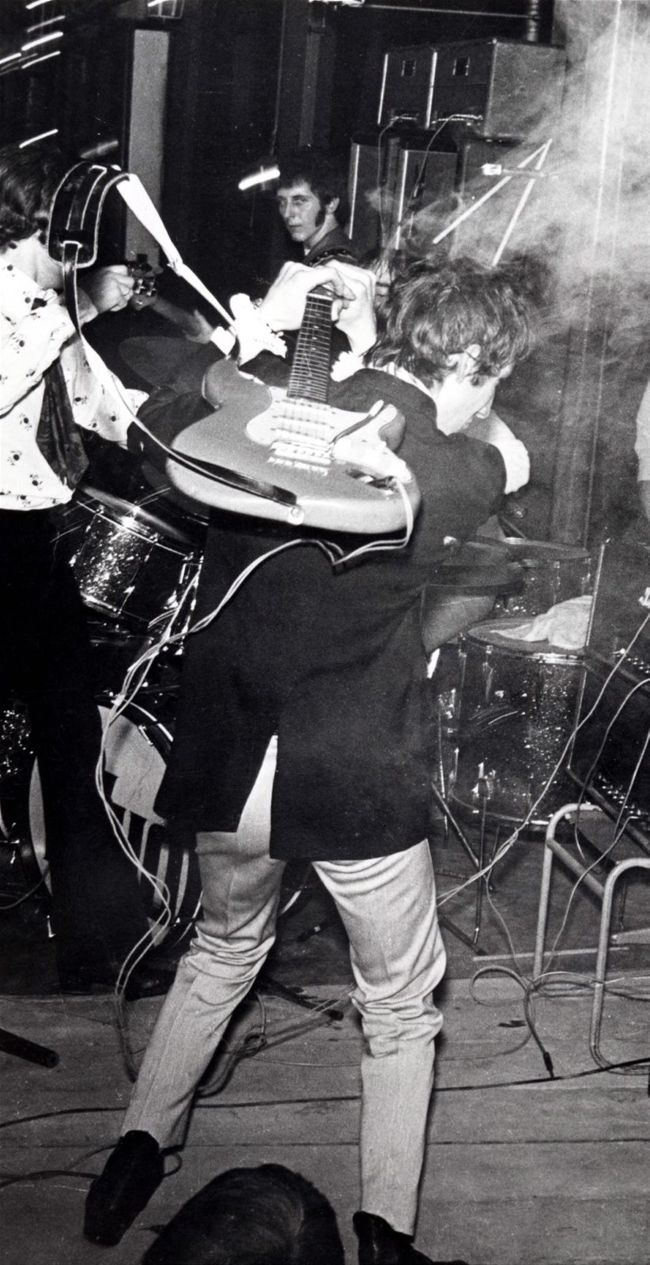
Pete in action at Leicester Granby Halls, April 13, 1967;
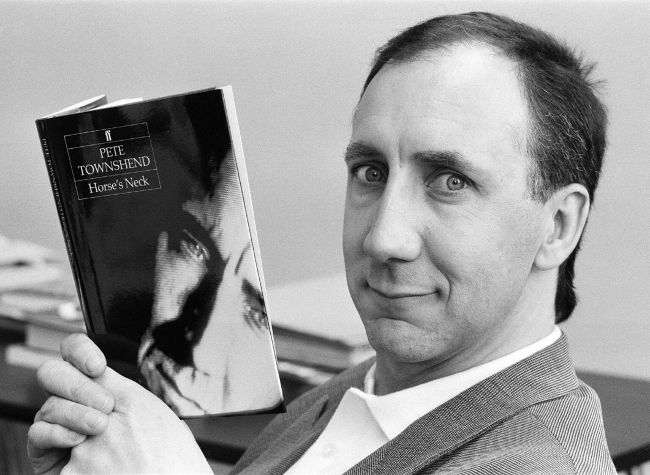
reading his 1985 book Horse’s Neck;
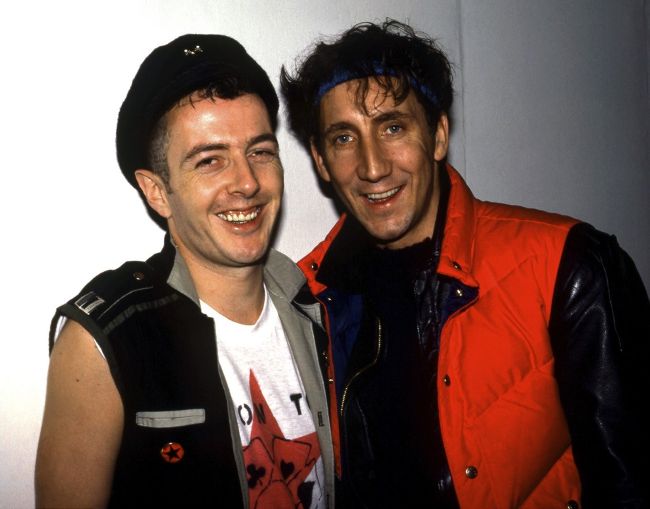
with Joe Strummer before the Who/Clash Shea Stadium gig, October 13, 1982.
What condition were The Who in when this chapter begins?
The Who were in a state of ferment and I was struggling to write a better album for them than Quadrophenia. The individuals were changing. The band were doing good gigs with Keith Moon’s replacement Kenney Jones. But Roger wasn’t happy with Kenney’s playing and he wasn’t happy having ‘Rabbit’ [John ‘Rabbit’ Bundrick], our keyboard player, in the band. I’m still not quite sure who Roger felt was going to come out of the woodwork to replace Keith. John Entwistle was also getting problematic – louder and louder, like an harmonic onslaught.