GB
  
You are currently viewing the United Kingdom version of the site.
Would you like to switch to your local site?
3 MIN READ TIME

NICOLAUS COPERNICUS

The astronomer changed our view of the universe forever
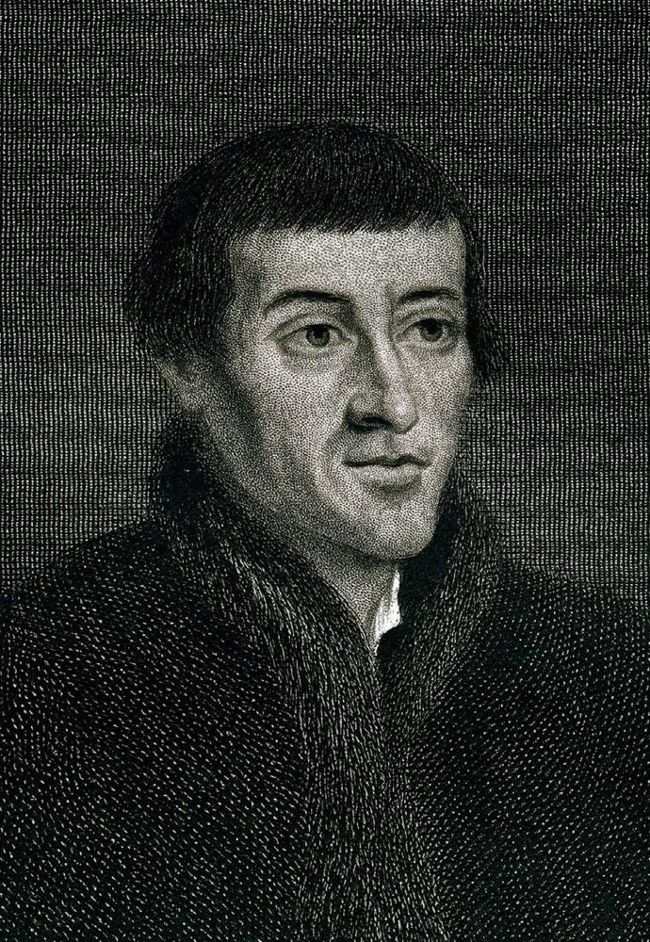
Copernicus was a true polymath of the Renaissance
© Getty

Copernicus proposed his theory that the planets revolved around the Sun in the 1500s when most people believed that Earth was the centre of the universe. Although his model wasn’t completely correct, it formed a strong foundation for future scientists. Indeed, other astronomers built on Copernicus’ work, proving that our planet is just one world orbiting one star in a vast cosmos loaded with both, and that we’re far from the centre of anything.

Born on 19 February 1473 in Toruń, Poland, Mikołaj Kopernik – Copernicus is the Latinised form of his name – received an excellent education. Copernicus’ father passed away when Copernicus was young, and his uncle became a leading figure in his life, guiding his studies. Copernicus’ uncle wanted him to study the laws and regulations of the Catholic Church and then return home to become a canon –a type of official in the Catholic Church. However, while visiting several academic institutions, Copernicus spent most of his time studying mathematics and astronomy. While attending the University of Bologna, Copernicus lived and worked with astronomy professor Domenico Maria de Novara, doing research and helping him make observations of the heavens.

Unlock this article and much more with
You can enjoy:
Enjoy this edition in full
Instant access to 600+ titles
Thousands of back issues
No contract or commitment
Try for 99p
SUBSCRIBE NOW
30 day trial, then just £9.99 / month. Cancel anytime. New subscribers only.


Learn more
Pocketmags Plus
Pocketmags Plus

This article is from...


View Issues
All About Space
Issue 127
VIEW IN STORE

Other Articles in this Issue


WELCOME
WELCOME
Issue 127
LAUNCHPAD
Galactic butterfly effect
© ESO Approximately 60 million light years away,
Martian tree stump
© ESA A Mars probe has snapped a
Prichal spacewalk
© NASA Cosmonauts Pyotr Dubrov and Anton Shkaplerov
HOW NASA’S JAMES WEBB SPACE TELESCOPE WILL GET READY FOR ITS FIRST COSMIC OBSERVATIONS
IN COOPERATION WITH W ith NASA’s newest space
EUROPEAN SUN PROBE FLEW THROUGH THE TAIL OF COMET LEONARD
A set of superimposed images captured by the
ASTRONOMERS DETECT A POWERFUL COSMIC OBJECT UNLIKE ANYTHING THEY’VE SEEN BEFORE
Astronomers have discovered a mysterious, flickering object in
BIZARRE ALIEN PLANET HAS A LAYERED ATMOSPHERE OF VAPORISED METALS
An artist’s depiction of the planet WASP-189
WATER ON MARS MAY HAVE FLOWED FOR A BILLION YEARS LONGER THAN THOUGHT
This image from NASA’s MRO shows the
AN ANCIENT SOLAR STORM SMASHED EARTH AT THE WRONG PART OF THE SUN’S CYCLE, AND SCIENTISTS ARE CONCERNED
IN COOPERATION WITH A very powerful solar storm
COMPLETE GUIDE TO NASA
IT’S AN ORGANISATION KNOWN THE WORLD OVER, WITH ITS AMBITIOUS GOALS INSPIRING OTHERS TO DREAM OF TRAVELLING AMONG THE STARS. HERE’S YOUR DEFINITIVE GUIDE TO THE HISTORY OF NASA
FUTURE TECH
KANKOH-MARU
This ambitious reusable spacecraft will be capable of taking 50 people to and from orbit
INTERVIEW
“WE DO OCCASIONALLY STUMBLE INTO UNKNOWN COMETS”
Comet Leonard’s discoverer explains how the unusual object was found – and what it’s told us about these dirty snowballs
FOCUS ON
A GIANT ATOMIC CLOUD CALLED ‘MAGGIE’ LIVES IN THE MILKY WAY
Astronomers have discovered a giant filament stretching across our home galaxy
FINDING AND DEFINING EXOMOONS
As our catalogue of exoplanets grows, the hunt is on for moons around distant worlds
CHINA BUILDS AN ‘ARTIFICIAL MOON’ FOR GRAVITY EXPERIMENTS
The new experiment was inspired by a levitating frog
COLD, DAMP MARS MAY HAVE HOSTED AN ANCIENT OCEAN
Northern parts of the Red Planet could have supported bodies of liquid 3 billion years ago
EVERY THING YOU NEED TO KNOW ABOUT SATURN
WITH ITS MOON SYSTEM, RINGS OF DUST AND ICE AND OCCASIONALLY TEMPESTUOUS ATMOSPHERE, THERE’S MORE TO THIS GAS GIANT THAN MEETS THE EYE
WHAT DRIVES JUPITER’S POLAR CYCLONES?
The Juno spacecraft has solved the mystery of storm dynamics on the gas giant
WHAT DISTURBED A DISTANT STAR SYSTEM?
Astronomers are a step closer to understanding how our Solar System formed, all thanks to a chance encounter
PHYSICS PUZZLE ALMOST CRACKED USING DRUNKARD’S WALK
The three-body problem that’s plagued science since the days of Isaac Newton is closer to being solved
How do scientists study the atmospheres of exoplanets?
ASK Space Our experts answer your questions
Why can’t we put a space station on the Moon?
A space station on the Moon could be
PENTAGON LAUNCHES NEW UFO OFFICE
A new office in the Pentagon will investigate sightings of unidentified flying objects – but longtime extraterrestrial enthusiasts are sceptical
HOW TO SPOT THE INTERNATIONAL SPACE STATION
© NASA TIME ON THE ISS The ISS
STAR PROFILE
THE LARGE MAGELLANIC CLOUD
This nearby dwarf galaxy is a satellite in orbit around our own
STARGAZER
WHAT’S IN THE SKY?
“COMET 22P/KOPFF WILL MAKE ITS CLOSE APPROACH TO
THIS MONTH’S PLANETS
Venus is a striking sight in the dawn sky, taking the morning watch with Mercury, Mars and Saturn
MESSIER AND MESSIER A
These two small craters are an intriguing sight through a telescope this month
NAKED EYE & BINOCULAR TARGETS
Take a tour of Leo, Cancer and Gemini this evening, without the need for a telescope
THE NORTHERN HEMISPHERE
The spring constellations are teeming with galaxies for deep-sky enthusiasts
ASTROSHOTS OF THE MONTH
Get featured in All About Space by sending your astrophotography images to space@spaceanswers.com
COSMIC WATCH
A visually stunning and interactive app that allows users to experience Earth, the Solar System and clocks that expand your knowledge of the universe
IN THE SHOPS
The latest books, apps, software, tech and accessories for space and astronomy fans alike
THE LION’S GALAXIES
The evenings of early spring are welcomed by the arrival of some lovely deep-sky objects
Chat
X
Pocketmags Support