HOW TO CREATE AN ADAPTABLE HOME
Architect Julian Owen advises how to plan a flexible, futureproof design for a house that changes with you and your needs
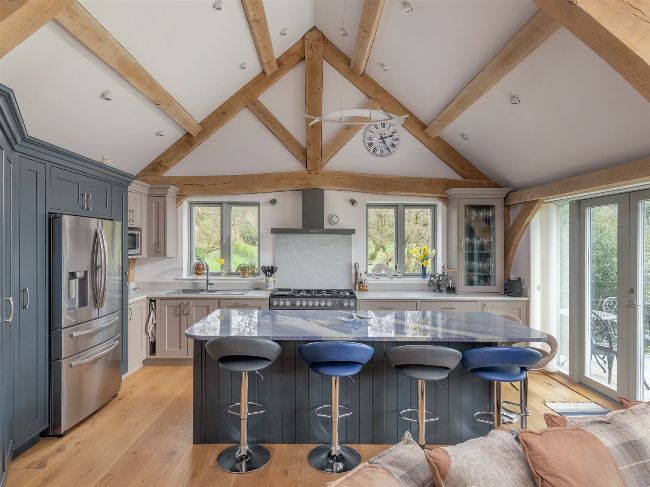
Above: All the main living spaces, including a bedroom and bathroom, are located on the upper storey of this home designed by Roderick James Architects (www.roderick jamesarchitects. com. This allows the owners to live comfortably on just one floor if required in future
RICHARD DOWNER
When self building, it is natural to want to focus on making the design fit comfortably around your current needs and aspirations for your home. Many of you will intend to stay there for many years, possibly for the rest of your lives. So, it is worth predicting the changes you may require later down the line and work to a masterplan to futureproof your home, minimising the expense and disruption caused by later modifications.
The British Standard assumption for the design life of a house is 60 years, which seems too short considering that many of us already live in properties far older than this. Some of our homes, such as those that are listed buildings, have survived because they have notable features worth preserving. However, the main reason many more modest dwellings have been kept is because they are robust enough to be adapted and upgraded to suit modern life. For example, you may build your home as a young couple without a family and later have children who will eventually move out and might come back for a few years. Your elderly parents may move in, or you grow old in the property yourselves. All these phases of life demand different requirements of a building, in terms of the size and disposition of the floor area and the changing physical needs of the occupants. So, it is likely that many changes will need to be made to the house over its life. When you are creating a new home, it is relatively straightforward to build in flexibility, provided that it is made a part of the design brief from day one. This way, you can reduce the risk of having to undo parts of the original building work if you carry out future alterations and keep the cost of changes to a minimum.