FLOOR PLANS FOR EXTENSIONS
Designing the ideal configuration for your new space is key to a successful and cost-effective project.Erika Chaffeyshares the core considerations for getting it right, plus some inspiring setups
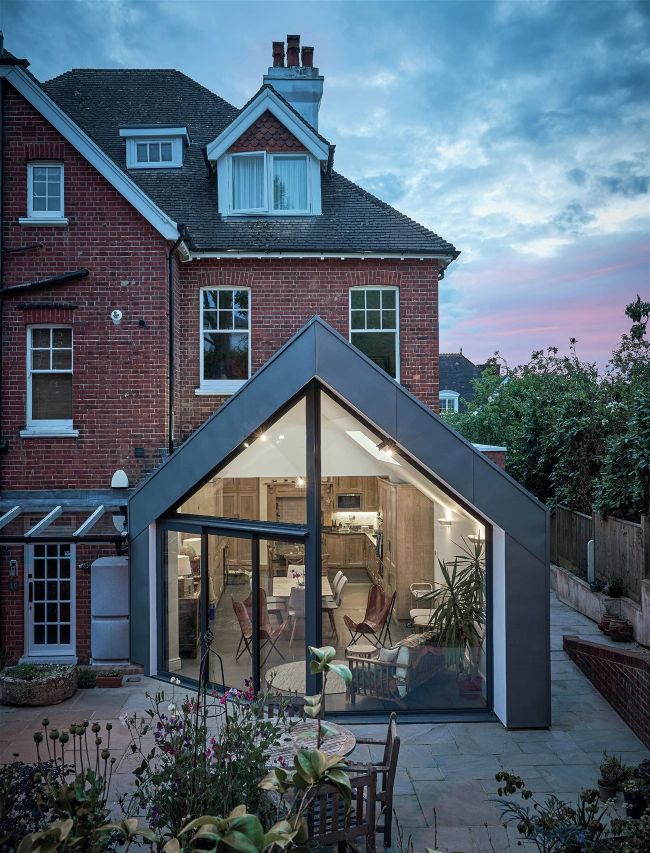
MIKEY REED
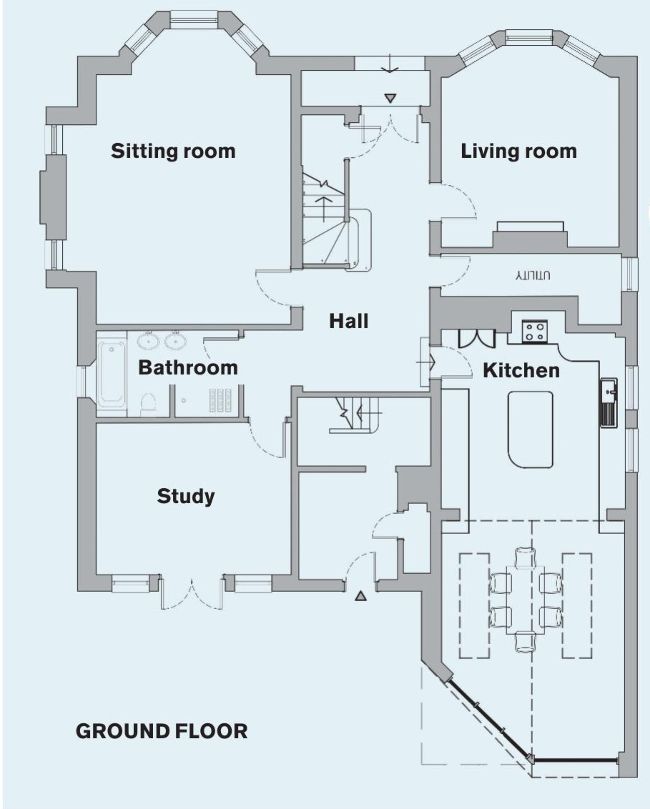
1
Choosing the right floorplan for your extension starts with a clear understanding of how you want to use the space and the ways it can enhance your lifestyle. Are you envisioning a bright, open-plan kitchen diner to enjoy with family and friends? Or perhaps your aim is to create a cosy snug or an extra bedroom? Whatever your project goals, there’s a range of configurations to help bring your vision to life.
Your existing property and site layout will heavily influence the structure of your new extension. Consider the location and orientation of your house to maximise natural light and make the most of surrounding views. Creating a connection to the outdoors is a common objective for this kind of project – your floorplan and layout should enhance this while complementing your home’s style and features. It’s also crucial to ensure the new space is seamlessly connected to your main property, avoiding the feel of an awkward or disconnected addition.
Effective use of space and budget is also key. While full-width or two-storey structures can add significant value, careful planning can often reveal that you don’t need as much new floor space as you originally thought. By focusing on how you’ll use the extension, what will go inside and where everything will be placed, you can design a functional, efficient layout that utilises every square inch.
Don’t forget that specific rooms, like kitchens, often have standard size requirements for appliances and units. Think about where to incorporate clever storage solutions early on in the design process to help eliminate clutter and create a smooth, functional flow throughout the space. With these factors in mind, here’s a selection of five popular floorplan ideas to inspire your extension project.