Dealing with neighbours
Mike Dade investigates the level of influence other local residents can have on your project, and how to successfully navigate issues and objections they bring up
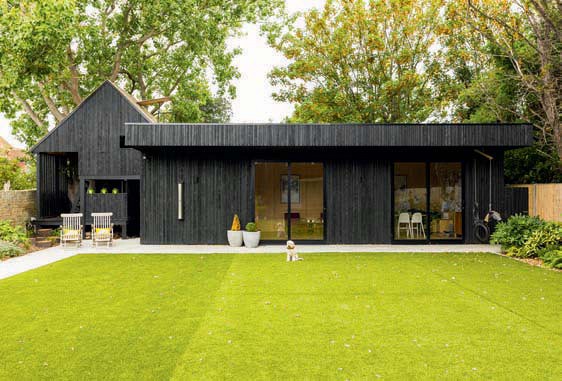
Anthony and Teresa Ralph described their project as a Marmite house: “people either love it or hate it!” By communicating with neighbours at the planning stage, they were able to overcome objections and create their dream abode
CHRIS SNOOK
Most self build projects are likely to include a degree of involvement with your neighbours. It could be at any stage — when going through your initial ideas, during the process of getting planning permission or even when you’re completing the works. Love them or hate them, the people next-door, and even beyond, can carry clout over what you build, how you do it, or even whether you can go ahead at all. So, let’s look at their main areas of influence, what you can do to get their support and how to minimise potential objections.
Neighbours’ role
Your local community formally comes into the planning process when you submit your application. They are automatically notified by the council and have the opportunity to object if they don’t like your plans. If you seek pre-application advice from the local authority before you make a formal submission, your neighbours aren’t consulted, but some councils post pre-app enquiries online which an eagle-eyed person might spot. For those wanting to build a larger rear extension as permitted development, there’s a notification process where a neighbour objection enables the council to have a closer look at your plans, as opposed to just waving them through unchecked.