Structural details: Acoustic performance
Not only is sound proofing a requirement of Building Regs, it’s a necessity for a quiet and peaceful interior environment, says expert Tim Doherty
There are two different types of noise that self builders and home improvers should know about – airborne and impact generated sound. Sources of the former include talking, TVs, music and media, and the latter comes from occupants walking or bouncing on floors or the slamming of doors.
Sound travels in waves; anything that is airbornegenerated (say from speech) will create vibrations that transfers to walls, floors and ceilings. If building elements are of a light specification or density, the vibrations can travel through the materials and enable sound to be heard on the opposing side. Impact sound travels in the same way, except the waves are more intense as they are the result of a heavy load crashing into a floor, for example.
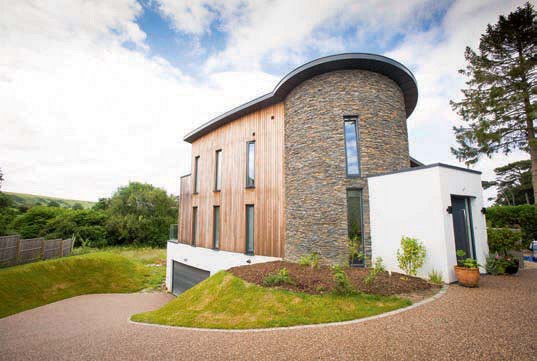
This Wiltshire home incorporates triple glazing from Green Building Store (
www.greenbuildingstore.co.uk) which adds to the home’s soundproofing. The basement is built partially underground using ICF, while the main house is made up of engineered timber I-beam with 300mm Warmcell insulation
There are ways to help reduce the passage of airborne and impact sound through enclosing building elements, but it is essential that this detailing is appropriate to each development and environmental situation. Otherwise the noise will find an alternative route in. Reduction is known as flanking sound, and this is the key to your acoustic success. If sound waves are blocked from going through a building element, they will try to find an easier route over or around the obstruction; often in hidden parts of your floor, walls or ceilings where two or more elements meet.