Planning your electrics
Tim Doherty shares his top tips for ensuring your new house has a suitable electrical supply
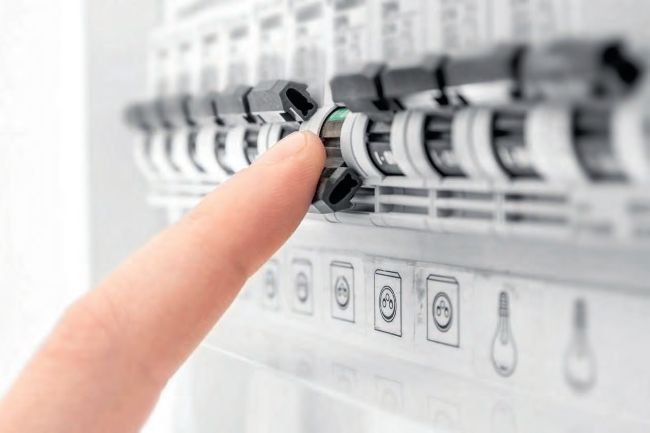
The consumer unit allows you to control the various electrical circuits in your home. Inset right: A new installation will need to be certified by a trained professional to ensure it meets with regulations
E lectricity is an essential household power source, so if you’re building a new home you’ll need to check that your site is connected to a supply. If the plot has previously been built on, you could already have a live service available, which can be temporarily turned off while an interim supply provides for your contractors, before being reconnected once the new property is finished. If you don’t have an electrical supply, then you’ll be required to submit an application for a connection to the Distribution Network Operator (DNO).
The DNO will need to provide a physical connection from its main supply (usually located at the nearest highway), giving you with a Meter Point Administration Number (MPAN). The price of this varies, but generally starts from around £1,200 excluding the cost of digging service trenches or building meter boxes. Once you’ve completed an application, had a fixed quote and potentially a site visit, the works are usually carried out six to eight weeks from payment – it’s best to allow at least four months for the whole process. After this you’ll be free to choose an energy provider, who will fit a meter (usually free of charge) and bill you for use going forward.
What will I need?
Your supply needs to satisfy the anticipated demand from your new home – something that an electrician can help you to calculate. Most houses run from a single-phase supply, but if the requirement is higher then you may need a three-phase supply, which offers greater power. Load will be significantly influenced by things like electrical heating, distance to the site, the number of outlets for lighting, power and other services and if it’s a large house – especially if it has outbuildings.