Troubleshooting your groundworks
From clay soils to high water tables, there’s a raft of issues that could impact the early stages of your project. Mike Hardwick reveals what you Need to know to overcome them
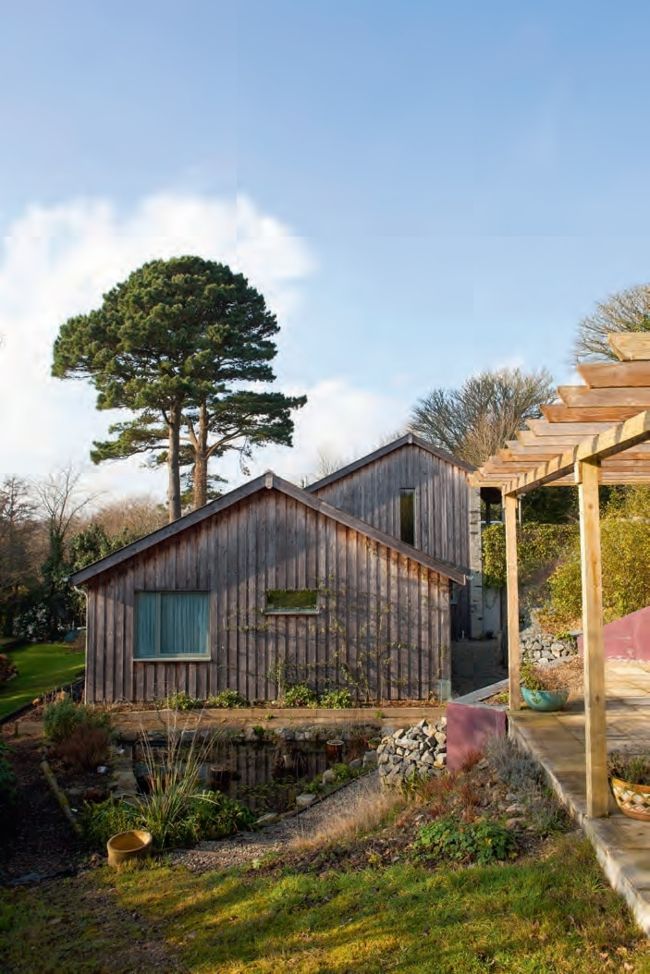
The Dows knocked down a dilapidated bungalow – which had no insulation and a rotting sub-frame – and replaced it with a modern home that’s stepped into its sloping plot. The demolition works cost just £5,000
SIMON BURT PHOTOGRAPHY
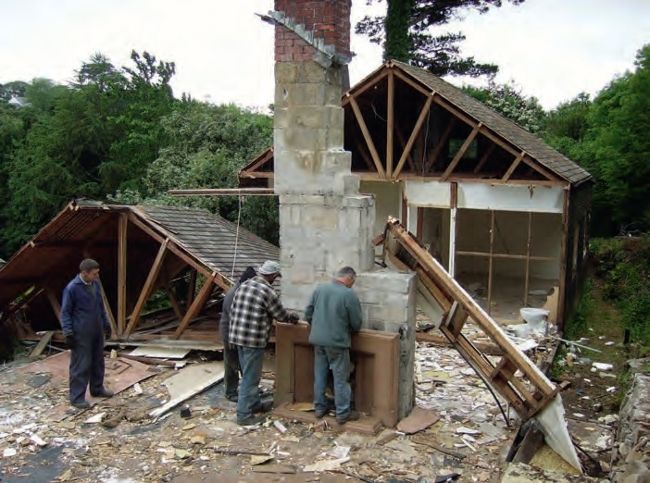
The Dows knocked down a dilapidated bungalow – which had no insulation and a rotting sub-frame – and replaced it with a modern home that’s stepped into its sloping plot. The demolition works cost just £5,000
The one adage in self-build that always rings true is that you will never know the full cost of your scheme until it’s out of the ground. What this refers to is the fact that what looks like a perfectly good parcel of land from the surface could be hiding a range of issues underneath. The best way to deal with this is to minimise the risks wherever possible – so this month, I’m taking a look at how to approach the groundworks and foundation stages of your project.
Do you need a survey?
Soil conditions vary throughout the country, but they will always have a big impact on the design and construction of your new home. The obvious first move with any plot is to assess the site – and one option is to have a specialist conduct a soil survey to ascertain what’s below ground and, from there, what type of foundations will be required.
This can be a practical step to take – but I would say that the best first port of call is actually your local building control department, particularly if your project is in an urban area. They will most likely have had experience of development close by, and access to detailed geophysical maps of the area, so should have an idea of what soil conditions you are likely to face. Given that your building control officer is ultimately the one who will make the call on what foundations will be required, it’s sensible to ask them first – perhaps armed with the outcome of a simple 1m3 trial pit dug on the site to show what’s down there.