ZEAL & ARDOR
The new face of Extreme
Satanic slave mythology, secret anarchist societies and the Bee Gees. Put plainly, there is no one in metal right now like Zeal & Ardor’s enigmatic mastermind, Manuel Gagneux
WORDS: POLLY GLASS
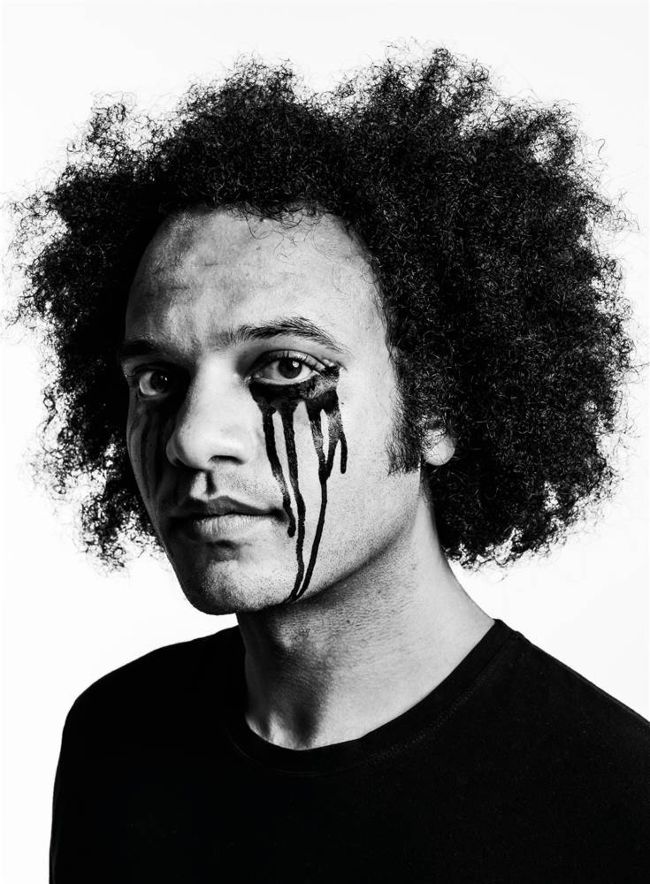
PICTURES: DEREK BREMNER • MAKE UP ARTIST: GEMMA STAFFORD
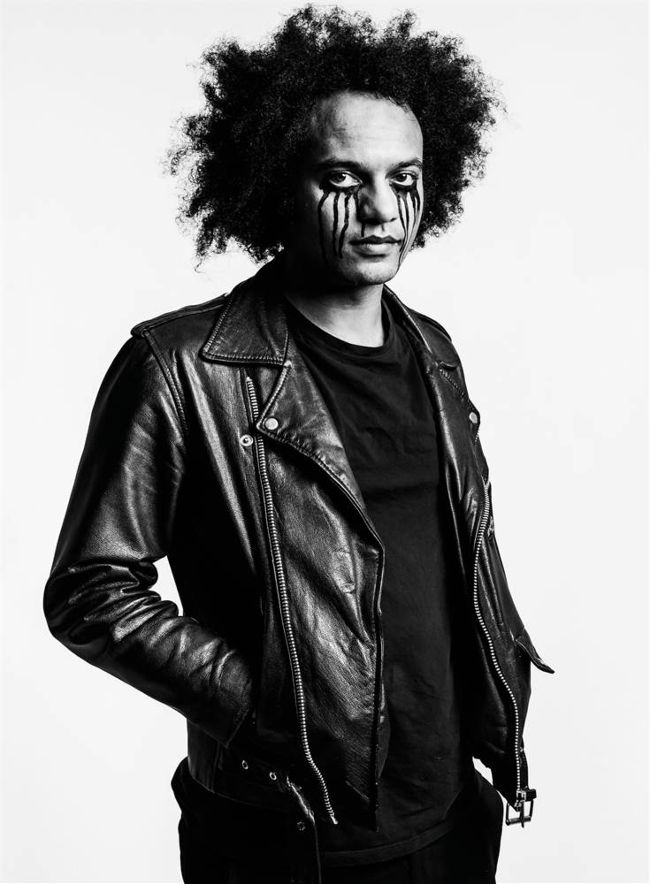
Manuel Gagneux: music with a message
Asa child in Switzerland, Manuel Gagneux had fits of rage. The son of a white Swiss biologist and a black American jazz singer, he was acutely aware of not fitting in. Not really Swiss, not really a black kid, he wrestled with the feeling through his primary school years. Perhaps it’s what we hear now in his music. He still doesn’t really know where it came from – just that it was there.
“I was a super-angry kid,” he nods, unhesitating. We’re mid-interview at a London photo studio, a few hours before Hammer’s makeup artist covers him in blood for our shoot. Until now his responses have been full of self-aware humour; friendly and engaging, if a little hard to pin down. Now, for a moment, he’s serious.
“It kind of stopped when I was 11. And that was also about the time when I started playing music. So guess it is my… ‘balance point’?” He breaks into giggles. “I don’t know. You can edit that more eloquently!”
In an era where celebrity mystique often feels all but dead, the 33-year-old is something of an enigma. From early experiences at back alley seances, squat gigs and unsettling contemporary art shows as a boy in Switzerland – all of which ultimately drove him to New York aged 22 – he’s gone on to spearhead some of metal’s most compelling sounds with Zeal & Ardor, the project he founded in 2013.
Nine years later, these sounds are more compelling than ever, peaking on album number three, the self-titled Zeal & Ardor. A rich, intoxicating cocktail of white-hot screams, menacing spoken-word passages and haunting Delta ambiance, it’s the biggest, most ambitious Zeal & Ardor record yet. It plays with your expectations. Brutal guitars and blastbeats bleed into mournful spiritual tones and juddering electronics. Genres are bent, twisted and generally fucked up in delicious ways; think Faith No More dipped in fire, or Meshuggah jamming with Tom Waits and Nine Inch Nails. All of it delivered with a maturity that separates it from 2016’s Devil Is Fine and 2018’s Stranger Fruit.