Soil SCIENCE
Backyard animals such as chickens, goats and sheep change soil quality for better and worse.
BY MAURICE PITESKY
Having backyard livestock such as chickens, goats and sheep is becoming more and more popular in rural and urban communities alike. The ability to integrate these livestock with backyard environments such as vegetable gardens, fruit trees and other types of land, such as pasture, is a truly fascinating opportunity and challenge.
Aside from providing food and companionship, backyard livestock also produce animal manure which, if used properly, can be a free resource with respect to soil regeneration, soil quality, and fruit and vegetable production. However, as we all intuitively know, mismanagement of livestock manure can contribute to food safety risks and nitrogen and phosphorus contamination of ground and surface water.
In this article, I’ll provide some basic science and management of how backyard livestock affect soil and some of the basic does and don’ts of how best to manage backyard livestock on your property with respect to manure management.
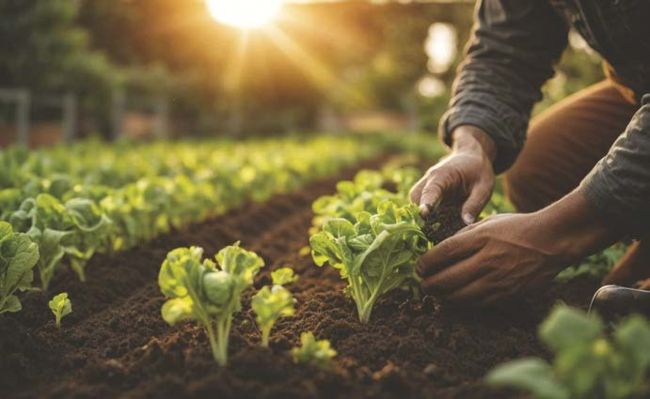
Enrich your garden and improve the soil around trees and shrubs with homegrown compost (above). You can even use it as a soil amendment for houseplants.
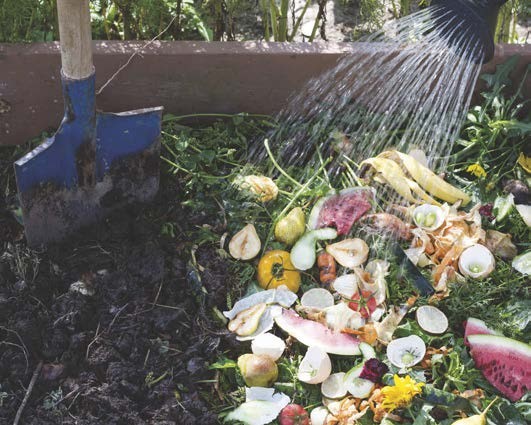
The University of Georgia Extension states that if rainfall is limited, water the pile periodically to maintain a steady decomposition rate. Add enough water so the pile is damp but not soggy.
A LITTLE HISTORY
When you consider the fact that humans have farmed crops and animals on the same plots of land for approximately the past 5,000 to 10,000 years (depending on where they settled after the last ice age), we have learned a decent amount on how best to utilize animal dung for increased food production. Animal manure is a truly amazing resource that has helped humans increase crop production and crop variety wherever they have settled. However, mismanagement has led to disease, overproduction and water contamination.