Gettin’ Chickens
Your guide to mastering chicken keeping in the suburbs and even the city.
BY KRISTINA MERCEDES URQUHART
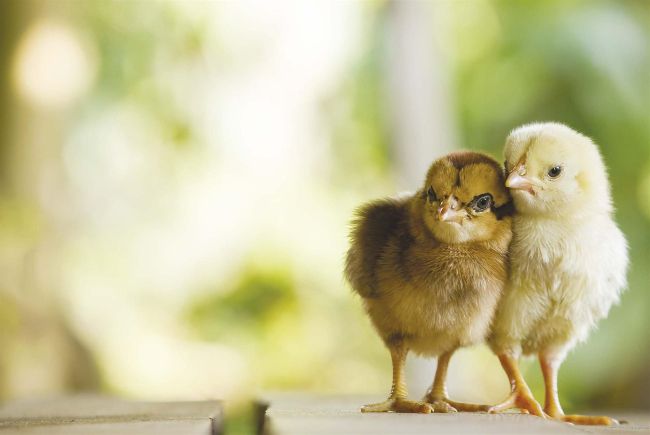
SANTIRAT PRAEKNOKKAEW/
SHUTTERSTOCK.COM In my grandmother’s youth, a small family flock of chickens in the suburban yard was commonplace. It wasn’t a hobby so much as a way of life. In tandem with a garden, putting food on the table directly from the land was how it was done.
After World War II, a massive shift in the way Americans eat began to take place. With the advent of highway systems and the growth of cities, food was more easily transported, and grocers could stock their shelves with exotic foods grown some distance away.
Eventually, food was mass-produced on large farms and trucked to local grocery stores rather inexpensively. Acquiring food in this way soon became incredibly convenient for the typical American family. Trade artisans, such as bakers and butchers, began to disappear, as it became easier to stock a kitchen or pantry with everything from under one retailer’s roof.
Almost simultaneously, many suburban and rural communities created regulations against the keeping of domestic chickens. Some cities outlawed the keeping of chickens within their limits altogether (although others, such as New York City, never changed regulations and still allow backyard flocks to this day).
With the resurgence of self-sufficient philosophies and the reclassification of chickens as pets rather than livestock, many cities are now overturning their ordinances and allowing backyard chickens once again.
Almost anyone can raise chickens, but is keeping them right for you? Whether your city or town has recently overturned ordinances or never shed its rural roots to begin with, this article covers all of the concerns, costs and considerations you need to think about before embarking on backyard chicken ownership.
CITY RULES & REGULATIONS
Contact your city’s health and zoning boards to see if chickens are legal within the city’s limits. If you’re lucky, your town may have municipal codes posted online for the public to read. Look under headings labeled “Animals” and “Zoning” — these two sections will likely provide some answers. If your online browser offers a search function, search for words like “fowl,” “poultry,” “livestock” and, of course, “chickens.”
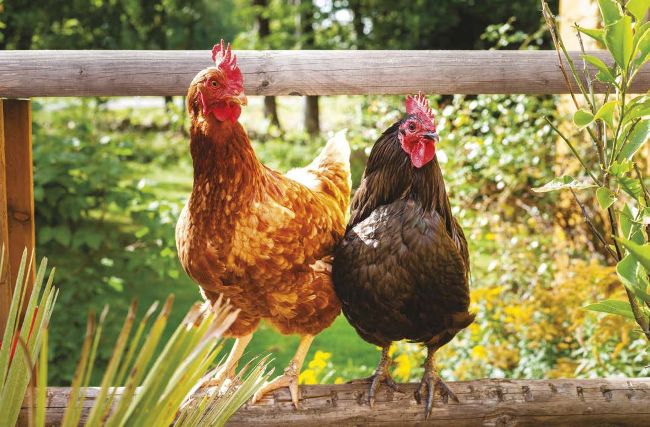
Make sure you know your city’s rules and regulations before starting your flock.
When in doubt, county clerks or code compliance officers are great resources to help you sift through the heady terminology. However, if you speak with someone who assumes chickens aren’t allowed in your city, ask to see the codes that state the rules to be sure.
For some municipalities, there may be no mention of poultry under the “Animals” section, but that doesn’t mean they aren’t allowed. Sometimes, the rules for how many of each animal species is legal per zone may be under “Zoning,” so try searching there before you give up. If your city does allow chickens, bear in mind there may be a limit to the number of birds you may keep, and there may be additional fees for any birds or other pets over that limit. Some cities may also require a permit and charge a small yearly fee.
Finally, if you live in a neighborhood with a homeowner’s association, you’ll also want to check with the association’s board to learn whether they allow chickens in your neighborhood. If they are against chickens, you may feel passionate enough to take steps toward reversing those restrictions. Educating your fellow homeowners and board members is the first step: Speak to your neighbors, start a petition and present to the board all of the many reasons why chickens are a great addition to any backyard.
BEING NEIGHBORLY
So your city’s codes check out, and you’re legally allowed to keep chickens in your town. Before you start ordering chicks and building a coop, though, you may want to run your intentions by your neighbors. Those not familiar with chickens may be wary of even the mention of the barnyard animals. After all, chickens make noise (just a little) and their housing can smell (if improperly cared for).