Stress BUSTERS
Follow these tips to help keep your birds relaxed and stress-free.
BY MIA MCGREGOR
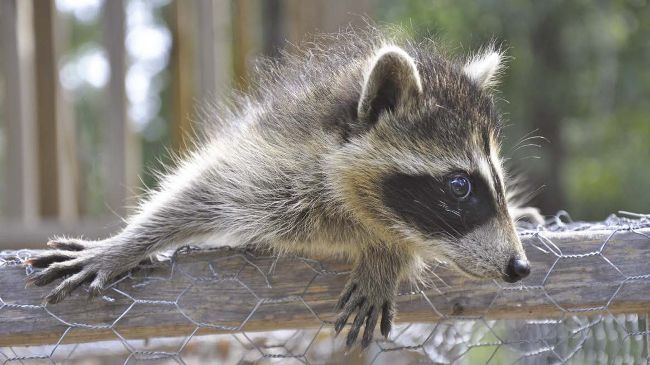
Intruder alert! Nothing causes more stress than a predator prowling around the premises looking for a free meal.
Chickens, like humans, experience the stress response, an amazing phenomena for survival. The brain encounters a threat, and the body goes into fight-orflight mode, releasing stress hormones. Blood pressure goes up, heart rate and breathing increase, muscles tighten, senses sharpen and digestive activity decreases.
While this is good in the short term, it’s unhealthy in the long term and can cause health issues. Keeping stress at bay is a must for a long, healthy life, even for your feathered friends.
PROTECTION FROM PREDATORS
Predators are a huge stressor to chickens and for good reason. Predators mean possible death. Fortunately, there are things to do to keep them at bay. First, make sure all fencing and housing is secure. Despite its name, chicken wire isn’t the best option. It keeps chickens in but doesn’t keep predators out. Opt for something stronger such as hardware cloth. Fencing should be securely fastened with no gaps where a predator could slip through. For protection from digging predators, bury fencing underground a few inches, and for protection from climbers and aerial predators, fence the top.
The chicken coop should be secure with any windows lined with hardware cloth and a secure coop door. A raccoon or the like can easily open a latch, so add carabiners instead. If using a house on the ground, make sure predators can’t dig under it.
Chickens with hatchlings will also be on high alert. Have a proper enclosure where they feel safe from predators and other nosy chickens. Give chickens places to retreat if they see a predator. Provide things they can perch on and hiding places such as bushes or a wooden pallet propped against the fence.
To lessen visual stimuli, create high, solid walls such as corrugated tin that block chickens
from seeing predators. Alternatively, hang an old curtain or tarp on part of the coop or grow a chicken-safe plant outside the coop that can grow over the side. Chickens will feel less exposed and more at ease.