DEPECHE MODE
WITNESS THE MUSICAL GROWING PAINS OF A BAND AS THE ESSEX ELECTRO-POPPERS GET TO GRIPS WITH A NEW LINE-UP AND THEIR OWN EMERGING SOUND
SPEAK & SPELL & A BROKEN FRAME – 12” SINGLES
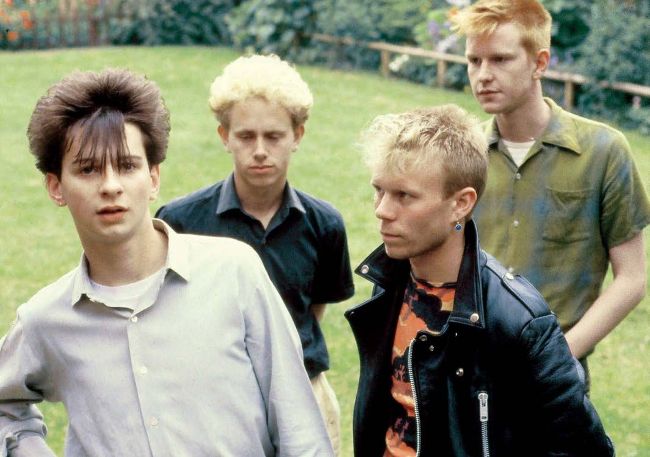
© Virginia Turbett/Redferns/Getty Images
SONY
Few embryonic bands can ever have been quite so schizophrenic as Depeche Mode.
Between their 1981 debut album, Speak & Spell and the next year’s follow-up, A Broken Frame, the Essex electro-poppers began to reinvent their musical sound, feel and philosophy. The reason for this was obvious.
After the release of Speak & Spell, the band’s founder and chief songwriter, Vince Clarke, quit the fold, at odds with the other group members and rattled by unwanted press intrusion into his life.
Keyboardist Martin Gore, to that point a low-key, reticent band figure, was left with no choice but to step up.
This sea change in the band’s early methodology is starkly illustrated by these two vinylonly boxsets of the singles that were taken from the opening albums. They’re rudimentary releases, composed purely of the remastered A-sides and B-sides of the original 12” singles (or, in the case of their debut, Dreaming Of You, which never made it to 12”, the 7”). Vince Clarke’s creative fingerprints are all over the Speak & Spell set, which majors in the lightweight yet spectacularly seductive strain of perkily positivist synth-pop that he later transferred to Yazoo and Erasure.
Dreaming Of Me and its B-side, Ice Machine, were tinny but determined synth doodles that sounded as if his ARP 2600 keyboard was still on its fa ctory settings.
New Life, the group’s breakthrough hit when it went to No.11 in July 1981, was a fragile delight, even if its trite lyrics showed that, in those days, Clarke required little more of the words of his songs than that they should rhyme.