Whatever Will Be, Will Be.
Joan Armatrading refused to change her name, refused to sing covers and baffled session pros with her unique timing. Here, she tells the story of her uncompromising debut album.
Words: Jo Kendall
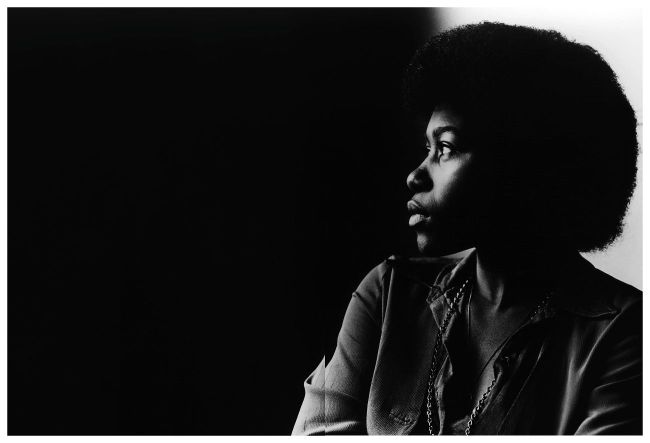
GEMS/REDFERNS
Ithought Pam was great,” Joan Armatrading says of her early lyric-writing partner, Pam Nestor. “She was totally different from me. Pam did all the things that I didn’t do [laughs].”
Armatrading is going back in time with Classic Rock to revisit the record that put the singer-songwriter in the public eye: Whatever’s For Us. Released in November 1972 on the brand-new Cube Records imprint and produced by Gus Dudgeon, it demonstrated the 21-year-old’s flair for adding sophisticated, soul-laden melodies to Nestor’s lyrics. Then there was that voice, and that musicianship on guitar and piano.
Armatrading was born in 1950 in St Kitts in the West Indies, to parents Beryl and Amos, who left there for the UK 1953 for better work opportunities in Birmingham, taking her eldest two brothers with them. Joan stayed behind with her grandma in Antigua until age seven, when she joined her parents and brothers in the UK in white working-class suburbia. Armatrading found the place friendly – “People would say hello to you in the street” – but new brothers and sisters came along and her family felt a little like strangers to her.
“I was on my own a lot… I was an observer,” she told biographer Sean Mayes in 1990. “I didn’t get too involved in the family… It took me a while to get used to people.”
At school Armatrading had friends but “wasn’t so interested in being in a bunch of people all the time”. Her observational eye was developing. “I watched my friends as they played… and if people were watching a fight [in the playground] I’d stand and watch the people who were watching.”
She showed an aptitude for playing the recorder and singing. At home she listened to artists her parents liked, including Jim Reeves and Nat King Cole. As the oldest daughter, she was often leaned on to help with household chores and caring for younger siblings. When she got time to herself she adored witty radio shows such as Round The Horne and the surreal The Goons, and would write jokes, little stories and limericks.