iPhone 13 Pro Max
Take your photography and videography to the next level
> From £1,049 > FROM apple.com/uk > FEATURES Super Retina XDR display with ProMotion, 2778x1284 pixels, 458 ppi, Smart HDR 4, A15 Bionic chip
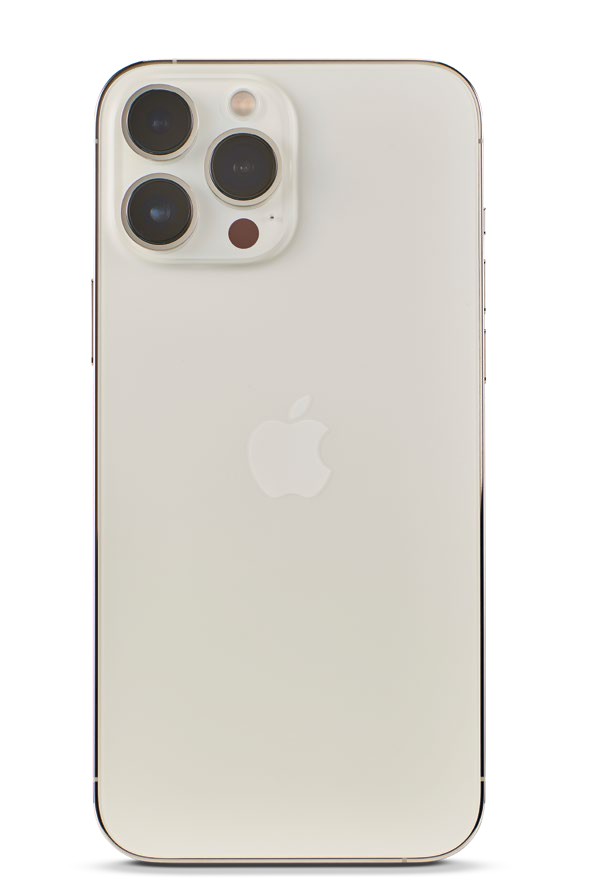
As per the iPhone 13 Pro (see MF371), the camera ‘bump’ on the Max now means that you can no longer lay the iPhone down flat on its back.
Many professional photographers will have adopted the iPhone Pro range as their primary camera, especially once the ProRAW format was released. With the advent of the iPhone 13 Pro Max, even more photographers should find this device an attractive alternative to their traditional DSLR, especially with its enhanced performance in low light. And filmmakers will enjoy the f lexibility of the Camera app’s new Cinematic shooting mode, with the option to adjust the scene’s focal point after the clip has been captured (more on that later).
One key strength of using the iPhone 13 Pro Max as your camera of choice is its durability. If you drop a DSLR on a shoot, you could be facing expensive repair bills to its body and lens (as well as missing photo opportunities). The 13 Pro Max’s ceramic shield is tougher than any other smartphone’s glass and the IP68 rating means a much stronger survival rate if you drop it in a pool while on holiday. A sapphire crystal lens cover protects the precious Telephoto, Wide and Ultra-Wide lenses. The surgical-grade stainless steel edges will take a hard knock (though when we accidentally dropped an older 12 Pro Max on concrete, the steel did suffer a tiny scratch). Most DSLRs have a relatively small display, so you won’t see your photos at their best until you transfer them to your Mac. The 13 Pro Max’s 6.7 inch OLED display is approximately 28% brighter than the 12 Pro Max, so it shows off your shots as colourful HDR (High Dynamic Range) images with true blacks and an even more striking contrast. Indeed your images and clips will look better on this display than they will once they’ve been shared to non-HDR display devices. The brighter display (1,200 nits when watching HDR) means you can view your shots and clips even in bright sunlight.