30 TIPS FOR SHOOTING SUPER SHOTS THIS SPRING
Pro photographer Simon Roy reveals his key techniques
Spring is a time of new beginnings as nature slowly awakens. As the temperature rises, seeds and bulbs that have been buried for months now appear as flecks of green shoots and buds. With courtship underway, old partnerships and rivalries are resumed – love and war in mother nature.
For me, this is the best time of year to be out with a camera; a chance to reflect and refresh, to rekindle old projects or begin new ones, and to remedy mistakes or build upon successes. It can be demanding, too, as the days and foliage get longer; walking, stalking, or waiting for hours, calling on old instincts and fieldcraft skills.
Spring has all the ingredients needed to capture dramatic, commercial and even award-winning images. Courtship displays, territorial disputes, sibling rivalries, nest building, parenting, predation, tenderness, aggression, birth and death. With forethought and persistence, this can be the most rewarding season for a wildlife photographer.
Rising early is essential to witness the best of a spring day, to glimpse a barn owl as it ghosts over a meadow or to watch the sunrise through cobwebs laced with dew. To walk by a river where only a dipper has been or stand alone in woodland with the sound of a dawn chorus and the fresh scent of a new day – this is the essence of spring.
CONTENTS
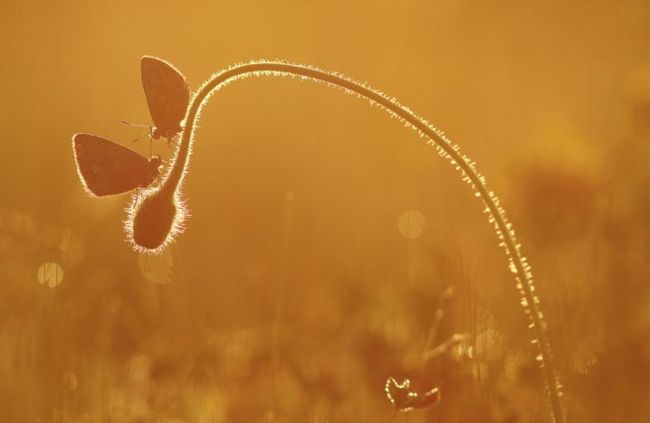
Start early page 52
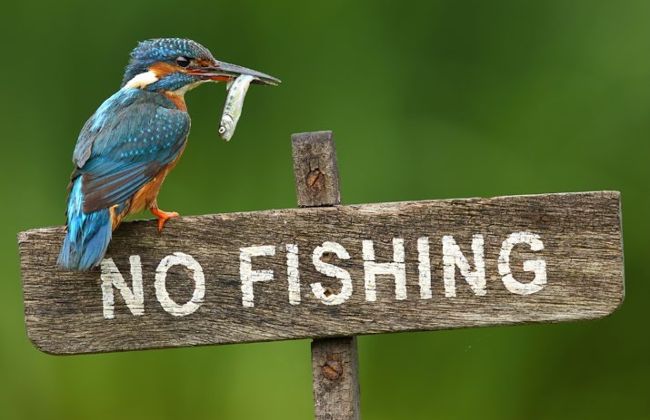
Plan your shots page 54
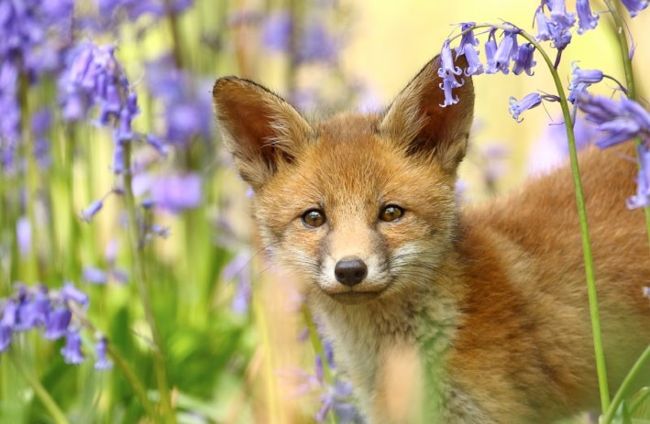
How to use fieldcraft page 56
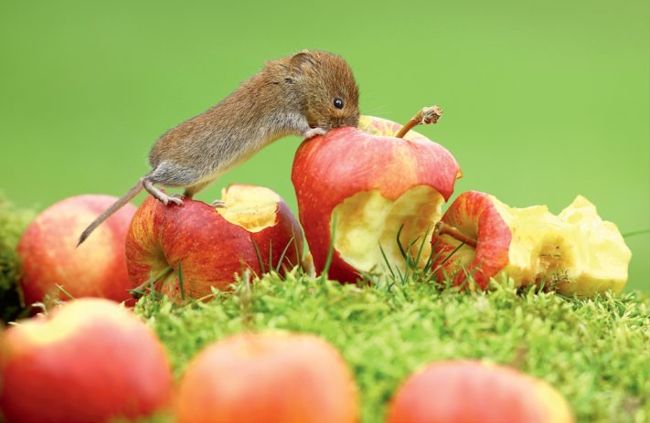
Creative photography page 60
Action and behaviour page 58
How to edit your shots page 62
Simon Roy
USE YOUR FREE TIPS CARDS
This project features in this month’s bonus tips cards. For a handy guide to capturing creative photos like this, keep your tips cards in your camera bag.
1/3200 sec f/4.5 ISO 1000
PRO SHOT Swooping owl
This stunning barn owl hunting in a meadow after sunrise was captured with a super-telephoto 500mm lens and a fast shutter speed. Shot from a distance, the sunlight shining on the owl’s wings against the dark backdrop creates a strong image.
PART 1
START EARLY
Plan ahead and get up before sunrise to make the most of nature’s calendar
M any of my spring projects are conceived over the winter when I find myself looking forward to warmer days. By planning ahead, I hope to take advantage of the conditions and maximise opportunities. As part of the process, I make a detailed list of shots, with the subject, location, light, backgrounds, time of day, composition, aperture, shutter speed and white balance.
I also consider safety, ethics, access and consent.
Follow nature’s calendar
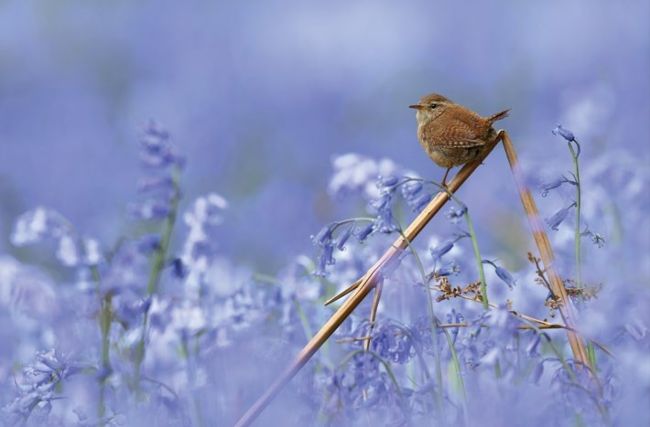
Many of spring’s highlights are spread throughout the season, allowing me to create a timeline and work through it systematically. During early spring, I often walk along small rivers, hoping to see a white-throated dipper, an aquatic songbird with a preference for clean, fast-flowing upland streams. These beautiful wooded valleys are best visited before deciduous trees put on their summer coats. Mid-spring is all about bluebell habitats and the wildlife they sustain. These flowers thrive in ancient woodland and appear in April and May, but they are only in peak condition for a few weeks, so there’s a small window of opportunity. The later part of spring sees wildflower meadows brimming with insects and blooming flowers. Butterflies are cold-blooded and rely on thermal energy to heat their flight muscles, so the best times to photograph them are at the beginning and end of the day. Mornings are more productive as you can arrive early and find the best specimens before the temperature rises.