TECHNIQUES
GLOBAL EXPOSURE
Explore the world, armed with your camera, a lens and these pro tips for timeless visual masterpieces
Words by Kim Bunermann
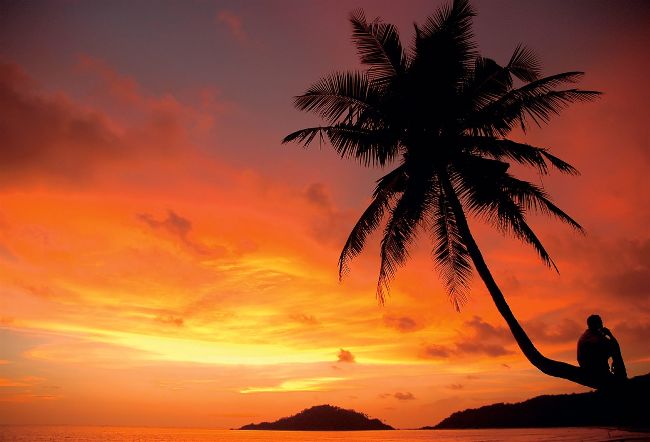
Pictured
Sail into the sunset To convey atmospheres and moods, intense colours such as in this sunset scene will enchant the viewer
© Pylypenko Svitlana
Being a travel photographer might sound like the perfect lifestyle, but the genre itself comes with many challenges. Of course, there is the need to familiarise yourself with unknown areas, overcome the difficulty of communication in different languages and plan ahead to avoid crowds ruining your shot.
Even the technical side of travel photography can have its own difficulties. Travelling long distances is expensive enough and investing in new gear can break the bank. The performance, size and weight of your kit are all significant considerations, so lightweight and high-quality performers, such as the Fujifilm X100VI or Sony A7
III combined with a versatile lens like the Fujifilm 18-135mm f/3.5-5.6, are ideal for the travel genre. However, with the subjects in travel photography varying from place to place, it’s more important to know your gear inside out so that you can adapt your skills to different scenes and scenarios.
In this guide to travel photography, we will show you some tricks on how to make the most of your existing kit to capture the essence of a destination that you may only visit once. We also managed to catch up with award-winning professional travel photographer Bella Falk before she embarked on a trip to photograph wildlife in Manitoba, Canada, and she is on hand to offer some expert advice for your next photography adventure.
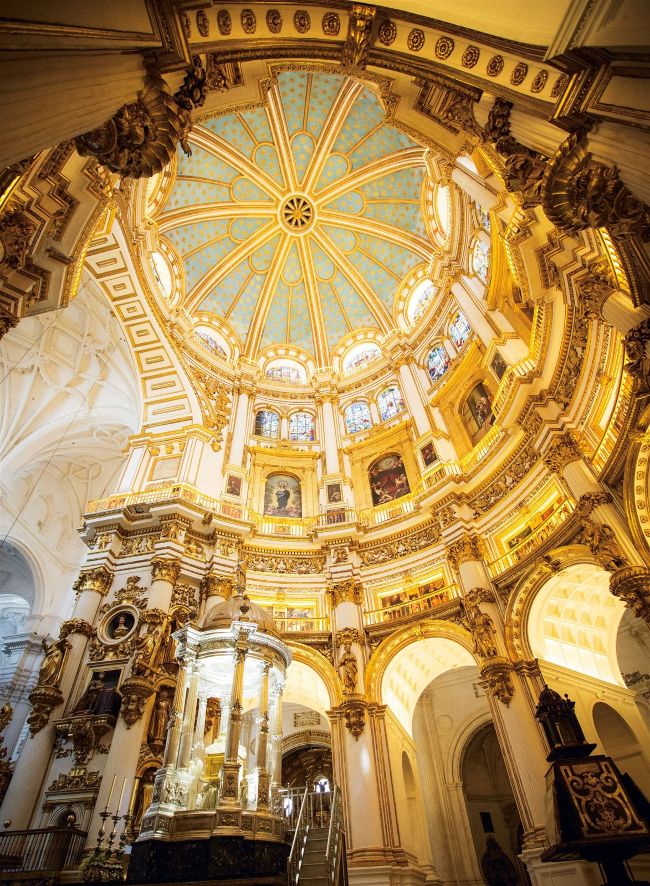
Cultural insight Observe the rules when visiting historical sites –for example, the use of flash and tripods is often prohibited
WHERE TO GO?
Seeking inspiration online is a fantastic way to gain new perspectives. Professional photographer Bella Falk runs the award-winning travel blog Passport & Pixels, providing valuable insights into numerous global destinations and offering insider tips you may not have come across before. What sets this blog apart is its focus, not only on travel but also specifically on travel photography. You’ll also find valuable advice on gear, composition strategies and visual language.
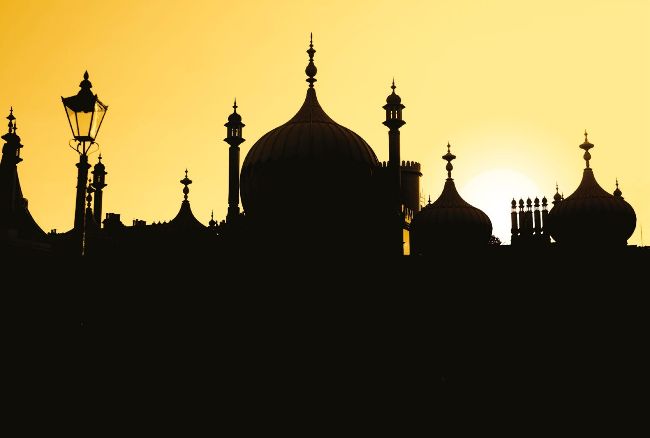
Urban skyline Capture the city’s skyline in the evening by shooting against the sun, causing blown out shadows
Plan for success
Packing your usual kit might not be the best option for your next adventure
Using your existing equipment effectively is the key to packing light and staying within budget. Before you set off on your trip, think about what subjects you want to shoot and the type of lens you would usually use, then try to reduce the amount of kit you have packed.
For example, do you want to be flexible with a wide focal length range without investing in a new lens or extra items? Consider using a teleconverter to get closer to your subject. Does your camera have a sensor that isn’t great in low light? Then shoot in RAW format for more flexibility when recovering elements that suffer from noise in post-processing.
For urban environments, you may not need to take as many spare charging items, but these will be essential for remote areas. However, always pack spare batteries, especially if you’ll be snapping away in extreme temperatures, as those tend to drain batteries more quickly. Bringing a laptop and a portable hard drive allows you to secure your precious moments without relying on a stable internet connection. Here, a rugged hard drive provides better protection for your files, and a solid-state drive (SSD) is worth considering for its durability, as it features no moving parts that can become defective if knocked.