TECHNIQUES
CREATIVE COMPOSITES
Blending image components is an art form. Learn the skills needed to light, shoot and edit composite images to control colour and detail
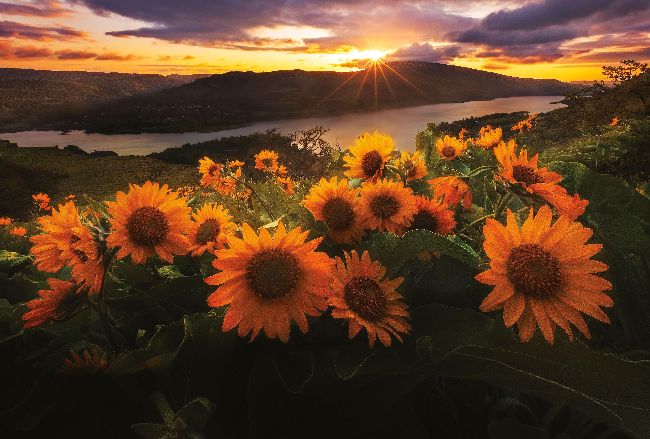
Pictured
Natural blend Compositing is often seen as a digital art but it has practical applications for photographers in every genre. With sufficient care, the software process should be invisible
© Jeremy Cram Photography/Moment Open via Getty Images
Compositing is actually not a new concept – it has been a part of the photo editing process since the days of film photography. In decades past, it was still possible to seamlessly blend image components together in the dark room, only this was done by physical means, rather than electronic. With the onset of digital imaging and photo-editing software such as Adobe Photoshop, the possibilities for believable image blends are more accessible than ever before.
The potential uses are wide-reaching and in the modern marketplace, there is an almost insatiable appetite for photorealistic compositing work. From environmental portraiture to product photography, landscapes, advertising and property, it is a skill that finds uses in almost every line of contemporary genres.
Compositing is a broad term, covering everything from simple sky replacement – a step taken by landscape photographers for as long as photography has been around – to high-end selections and rendering. In some cases, the use of
computer-generated elements blurs the boundaries between photography and digital art. While this can be off-putting to many professional photographers, far from being a purely artistic endeavour, it is a highly pervasive style trend.