ARTISTS ASSEMBLE
Independent, political and inspiring: could videogame collectives point to an altrenative future?
BY LEWIS GORDON
URSULA K LE GUIN, THE AUTHOR WHO IMAGINED RADICAL UTOPIAS AND DYSTOPIAS IN NOVELS SUCH AS THE DISPOSSESSED, ONCE WROTE, ‘WE’RE EACH OF US ALONE. WHAT CAN YOU DO BUT HOLD YOUR HAND OUT IN THE DARK?’
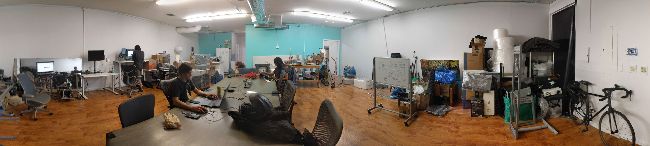
Despite the community parties, Glitch City is a “work space first” according to Sala
At various points during the last decade, game makers across the world will have felt the weight of this sentiment. Reports of exploitative working conditions, the industry’s #metoo reckoning, and chastening real-world politics and economics have put individuals under ever-increasing pressure. But grounds for optimism have begun to emerge in the shape of networks of support and organisation which look to unite solitary figures. Unionisation efforts are one welcome manifestation; so too are worker cooperatives. Arguably less formal but no less important are the collectives - small groups of like-minded people - that are beginning to leave their Le Guin-like mark on the industry.
Collectives have long been a cornerstone of underground art and music, but in videogames fewer have appeared. Los Angeles’ Glitch City is perhaps the most recognisable, while Sokpop, a Dutch collective formed by four foppish 20-somethings, has found recent success thanks to its burgeoning Patreon subscriber count. These groups surfaced within an independent scene which, depending on who you ask, either grew into increasingly dazzling and varied shapes throughout the 2010s or found itself in trouble. Reports of the so-called ‘indiepocalypse’ rumbled on - the idea that so many games are released on Steam that making a living as an indie developer is near impossible - while widening access to game development tools such as Unity and Twine accelerated. With little fanfare, game collectives began to offer a quietly revolutionary counterpoint to traditional notions of working, either within the blockbuster studio structure or independent sector.
Rachel Sala, the videogame artist whose work has graced cult hits Frog Factions, Frog Fractions 2 and Dream Daddy, remembers how welcoming Glitch City felt when she joined in 2014. Her reference point wasn’t videogame studios but LA hackerspaces mostly run out of dusty warehouses. “I was treated like a zoo animal and even told I didn’t belong there,” she says. “But Glitch City was so kind and positive. No one gave a shit that I was a woman.”
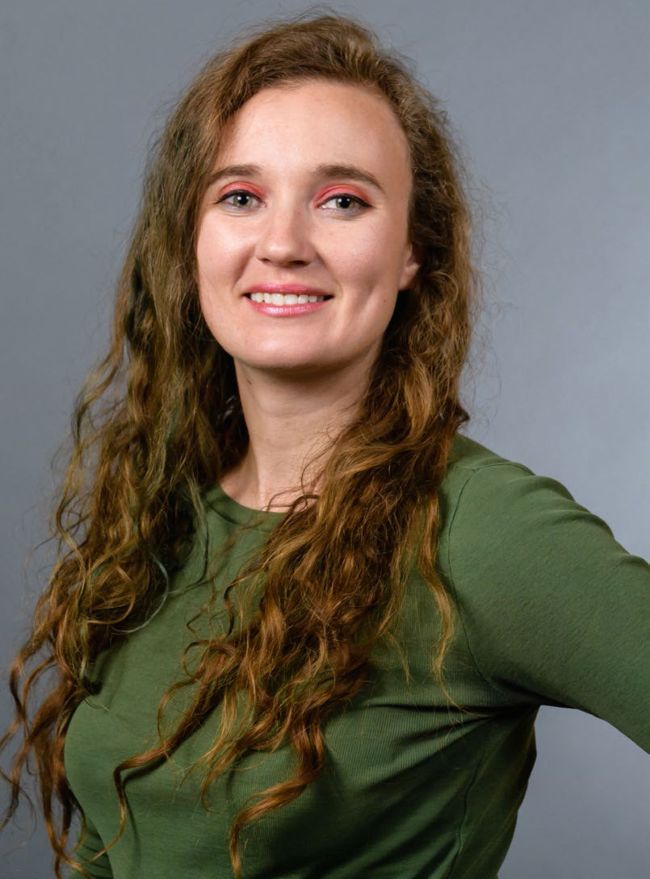
Rachel Sala, artist
“NO ONE GAVE A SHIT THAT I WAS A WOMAN”
RACHEL SALA
The collective was established a year prior by a number of independent videogame makers who, among others, included Donut County designer Ben Esposito and Hyper Light Drifter’s Alex Preston. The group originally congregated in coffee shops every fortnight, naming its meet-ups Strawberry Garden, but talk quickly turned to a permanent shared space. Preston was instrumental in getting the ball rolling as friends cruised neighbourhoods, keeping their eyes peeled for a suitable home. Eventually, the group found an old print workshop in Culver City, a district in western LA also home to Sony Pictures Entertainment. During lunch hours, studio executives fill the street in business casual attire while Glitch City members amble around in their jeans and T-shirts.