DREAM TEAM
The Xbox Series goes double or quits on a player-first approach that could be the dark horse of the next generation
By Jen SimpkinS
One Xbox would never have been enough. Xbox One made sure of it: Microsoft’s 2013 console, designed as an all-in-one entertainment system, had difficulties right out of the gate. It was an innovative, expensive piece of tech that was way ahead of its time - so much so that the world roundly rejected its always-online aspirations, sending Microsoft into a tailspin of U-turns and compromises. Sony pounced upon its opportunity to come back from PS3’s disastrous debut - the “This is how you share your games on PS4” video will live in infamy - and swept the generation. This generation, however, Xbox is firing back with both barrels.
The momentum is usually with the underdog: we saw it last generation with Sony, as it worked to fix its poor policy decisions with PS3, while Microsoft took on the far less clearly defined task of figuring out a vision for the future of videogame consoles. This time, it’s team Xbox that’s had seven years to lick its wounds and come out fighting. But it’s done more than that. With the subscription model of Game Pass and an unselfconscious focus on PC cross-play, it’s built an ecosystem designed to extend the reach of Xbox beyond the flagship console, designed to meet potential players where they’re at. It has paid close attention to the way in which our relationship with media has changed over the past seven years. And in spite of Sony’s dominance over brand perception, with PlayStation positioned as the place to play exclusives, it has set itself up for success by working to understand and meet the practical needs of 2020’s consumer. A generation of social media users who have eschewed newspapers in favour of free-to-read websites, we want things fast, we want them easy and we want them cheap. We want it all our way, essentially. Xbox, it seems, is happy to give it to us, confident in the knowledge that, one way or the other, its generosity will pay dividends down the line.
Given that we quite often find ourselves watching Netflix via our game consoles these days (another thing, incidentally, that Microsoft predicted just a little too early) we’re keen to test Quick Resume with the app. While moving from Netflix back to a game save with Quick Resume is near-instantanous, going from mid-game to Netflix takes around six or seven seconds - and Netflix currently doesn’t allow you to continue from where you left off in your show. As this isn’t a final unit, hopefully this is something that will be addressed come launch day or in a future update
“Player choice” is one of the most common phrases we hear while in conversation with Xbox development chief Jason Ronald. “We have a very gamer-centric approach to our strategy,” he says. “The way that we like to say it is: there’s eight billion people on the planet, half of them are connected to the Internet, and more than half of them play games every single day. So there’s more than two-and-a-half billion people on the planet who play videogames. How can we reach as many of those as quickly as possible?”
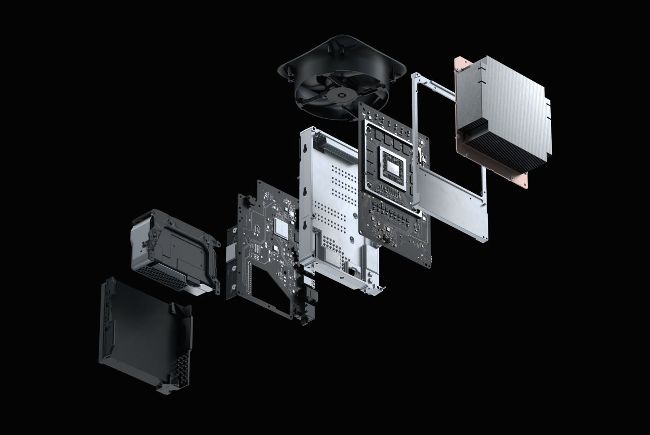
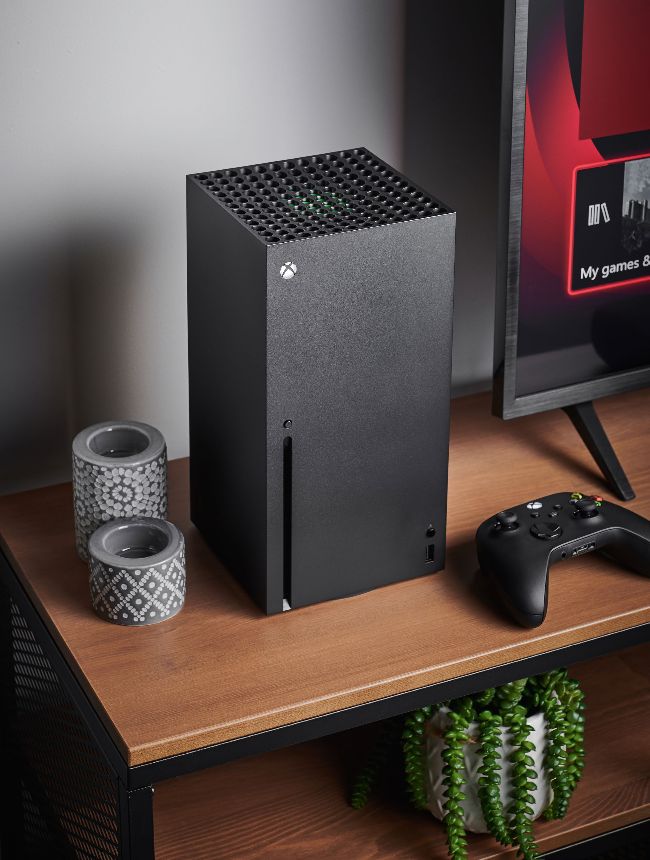
For the enthusiast market, there’s Xbox Series X. This is the Xbox everyone expected Microsoft to make. When it launches worldwide on November 10, it’s set to deliver four times the processing power of an Xbox One thanks to AMD’s latest Zen 2 and RDNA 2 architectures, offering developers up to 12 teraflops of GPU processing alongside variable rate shading that can help game creators prioritise where exactly they want to leverage processing power, be it rendering at high resolution or stabilising framerates. Series X is capable of putting out resolutions of native 4K (up to 8K with upscaling), and is designed to run games at 60 frames per second as standard with the potential to reach 120 frames per second. There’s support for DirectX Raytracing, which furnishes games with incredibly realistic lighting and reflections via technology that recreates the way light bounces off surfaces and around scenes in real life. And Series X also contains Microsoft’s custom one-terabyte NVMe SSD, which allows the console to access 2.4 gigabytes of data per second - that’s around 40 times the speed Xbox One is capable of.
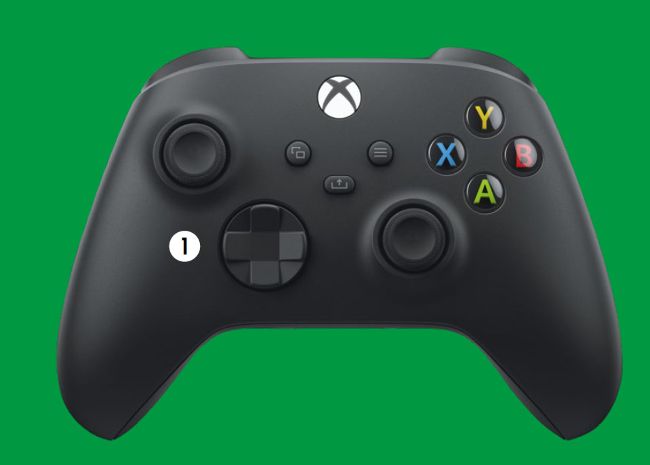
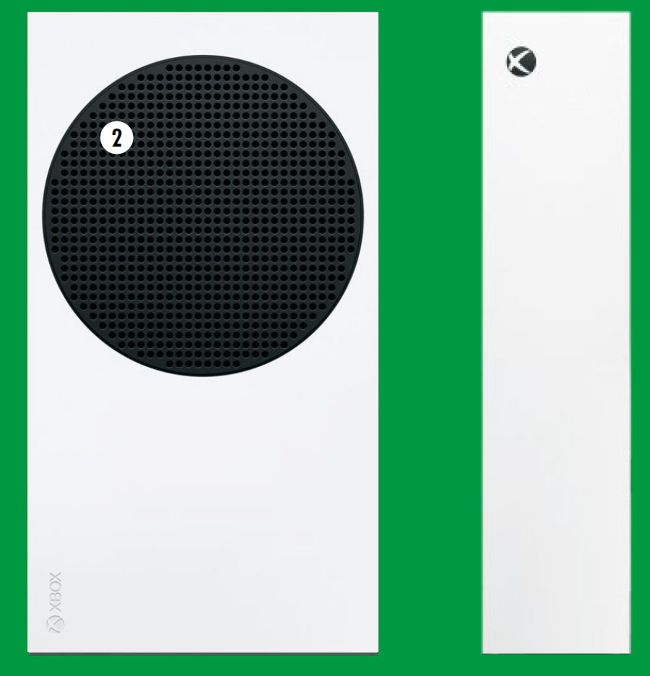
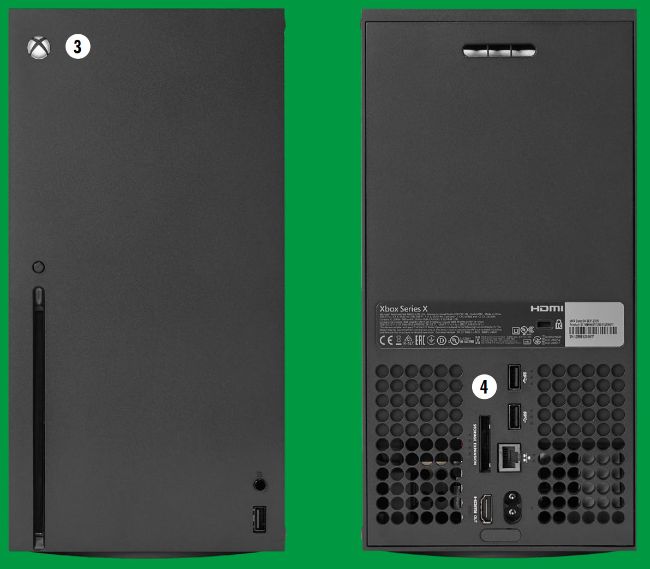
1 There’s an air of “if it ain’t broke, don’t fix it” about the Xbox Series controller. The changes are subtle, but signficant: a D-pad that builds upon the Elite version; increased resistance on the analogue sticks; a more ergonomic reshaping of the grips, with a textured effect for increased traction (you’ll either love it or hate it; we’re in the former camp). And then there’s the new Share button, a very welcome element cribbed from Sony’s current-gen pad.