THE 50 YEARS OF GOD FATHER
THE GOOD SON
In just five films over six years, the late, great John Cazale — TheGodfather’s tragic Fredo — would make an impression like no other. We salute cinema’s lost hero
WORDS ADAM SMITH
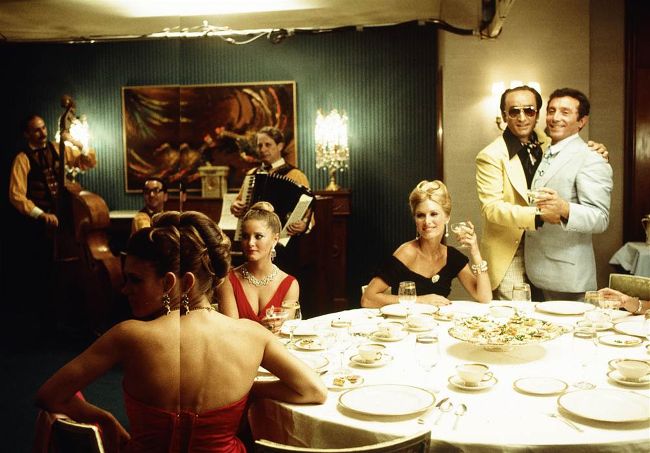
Cazale as Fredo (second from right) in The Godfather
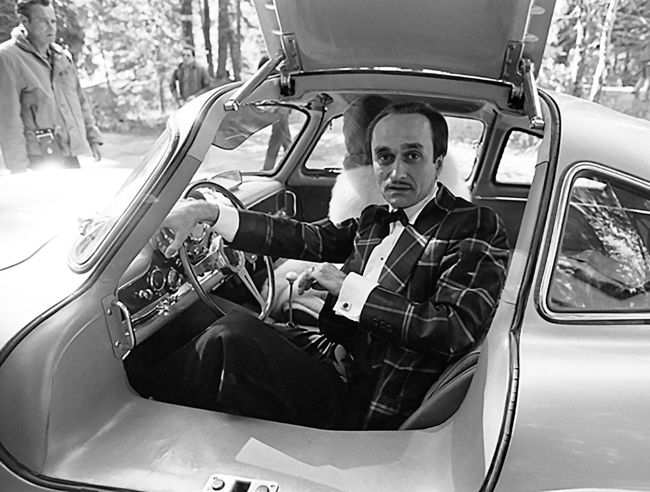
Weeping over father Vito (Marlon Brando)
WHEN JOHN CAZALE died, in 1978, the New York Times marked his passing with a seven-paragraph obituary. It noted his training at Boston University, his background in regional and then off-Broadway theatre, and his short film career. It glancingly noted that he had appeared in a minor role in Francis Ford Coppola’s The Godfather. It was a modest notice, and at the time it likely seemed appropriate. After all, his was a name none but the most dedicated of cinephiles would have known; a promising character actor, maybe, but one among dozens.
But in the four decades that have passed since his death, it has started to look hopelessly inadequate. Cazale’s reputation, and the sense of an inestimable loss, has done nothing but grow. There are those five films for a start: The Godfather, The Conversation, The Godfather Part II, Dog Day Afternoon, The Deer Hunter.
Five of the foundational films of the decade that would become celebrated as American cinema’s second Golden Age. Between them, they harvested 40 Academy Award nominations, launched a dozen stellar careers, and became the touchstone movies for a generation of both actors and movie-goers.
And, the more you look at them, the more it becomes apparent that even surrounded by the titans of the era — De Niro, Pacino, Streep, Hackman, Brando, Duvall, Keaton, Walken — Cazale is almost always doing something special, something utterly distinctive, something to which your eye is irresistibly drawn. He is always as good as anyone he’s on screen next to. More than sometimes, he is the best thing up there.
“There was something unique about him,” director Richard Shepard (The Matador/Dom Hemingway), whose documentary I Knew It Was You remains the definitive work on Cazale’s life, tells Empire. “He was an actors’ actor. He could take a small role and find this depth in it, which doesn’t steal the scene from the other actor but gives it a weight you didn’t imagine was there.
He’s one of these actors who you can look at, just a freeze-frame of him, just his eyes, and you’re so deeply drawn in.”