THE MASTERPIECE
We reassess the greatest films of all time, one film at a time
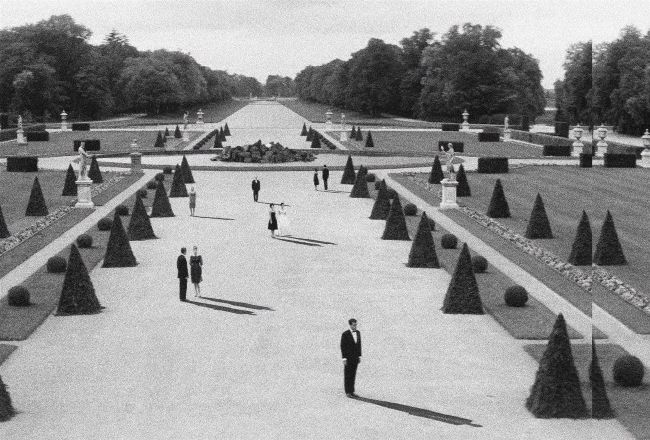
The opulent setting for a new kind of narrative. Note how the people have shadows, but the foreground trees don’t.
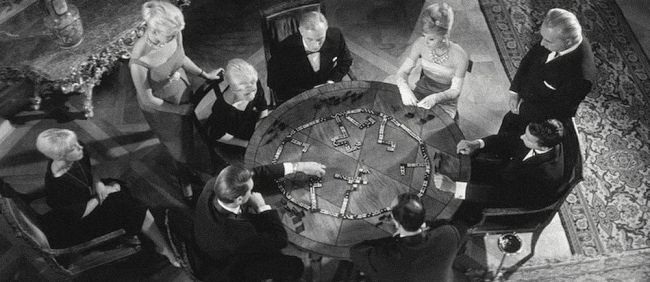
Let the games begin. Left: Giorgio Albertazzi and Delphine Seyrig as the anonymous maybe couple.
Henry Winkler, Stan Lee and Spider-Man.
Last Year At Marienbad
WHEN IT COMES TO years that shook cinema, 1959 rates pretty near the top of the Richter scale. To all intents and purposes, it marked the birth of La Nouvelle Vague, the French New Wave of directors who, over the subsequent decade, would inject a fearsome new energy into French, and then global, cinema. A trinity of this gang of celluloid disruptors shot or released their debuts in ’59: Francois Truffaut with Le Quatre Cent Coups, Jean-Luc Godard with À Bout De Souffle and Alain Resnais with Hiroshima Mon Amour. These films challenged the fusty, middle-brow, middle-aged cinema that these young Turks railed against, but of the three, Resnais’ unorthodox love story was probably the most radically disruptive. Hiroshima Mon Amour tested the boundaries of conventional, linear movies, with its revolutionary collapsing of time and space and its strange bleeding of characters into each other. But it was just the aperitif. If Resnais’ first film was a rebuke to conventional cinema, Last Year At Marienbad (released two years later and written by experimental novelist Alain Robbe- Grillet) was, to quote a somewhat different classic, about to blow the bloody doors off.