VARIABLE VALVE TIMING
Honda, Suzuki, Ducatiand Kawasaki are all using variable valve timing in their engines, but just how does it work and what is the point of it? We locked Jon Urryina dark room and told him to find us some answers…
WORDS: JON URRY IMAGES: FB ARCHIVE
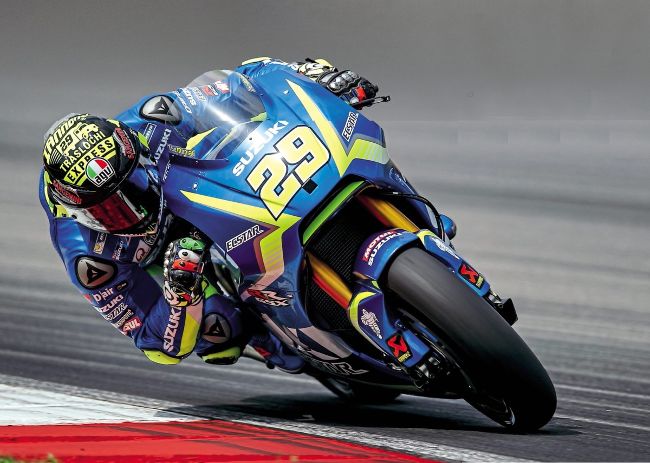
If it’s good enough for MotoGP…
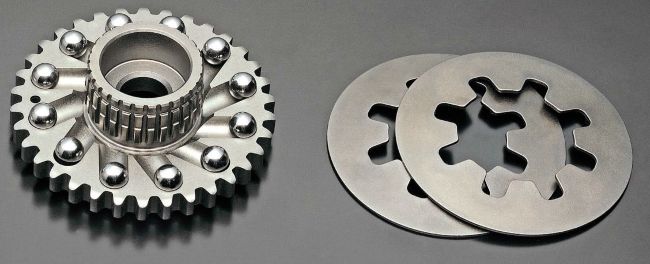
Suzuki’s Variable Valve Timing is a fantastically simple system.
With Suzuki all set to launch their new GSX-R1000, a lot is being made of the fact that it uses variable valve technology taken from the firm’s MotoGP bike. While this is the first time variable valve technology has been seen on a litre sports bike, the technology itself is far from new. In fact, technically the ability to alter the valve’s opening times dates back to steam engines! But today we will simply concentrate on two wheels.
The first bike to have variable valve technology was the Japan-only Honda CB400, which used a version of the firm’s car-derived VTEC system. While this bike failed to make it to the UK, the same technology first came to most riders’ attention in 2002 with the launch of the VFR800 VTEC. Yes, that one…
Plagued by an overly abrupt transition from two to four-valves, the VTEC system wasn’t well received and despite the fact that Honda soldiered on with it, other manufacturers decided to give it awide berth. Then, in 2010, Kawasaki unveiled its own take on variable valve timing when the 1400GTR gained a far more sophisticated form of the technology.
Ducati followed suit in 2015 with the XDiavel, once again improving on the system, and that leads us to the present day with Suzuki and its own SR-VVT system. But what is variable valve timing all about?
THE HEADLINE ACT
Variable valve timing is pretty selfexplanatory–it isamechanical system that automatically alters the point at which either the intake or exhaust valves, or both valves, open and shut. However to fully appreciate what affect it has on a motor’s performance, you first need to understand exactly how an engine works.