PIPE DREAMS
They’re the most common performance mod we make to our bikes, but are aftermarket exhausts still worth the wedge they cost?
WORDS ALAN DOWDS IMAGES FBARCHIVE/SC PROJECT/ PERFORMANCE PARTS
EXHAUSTING STUFF
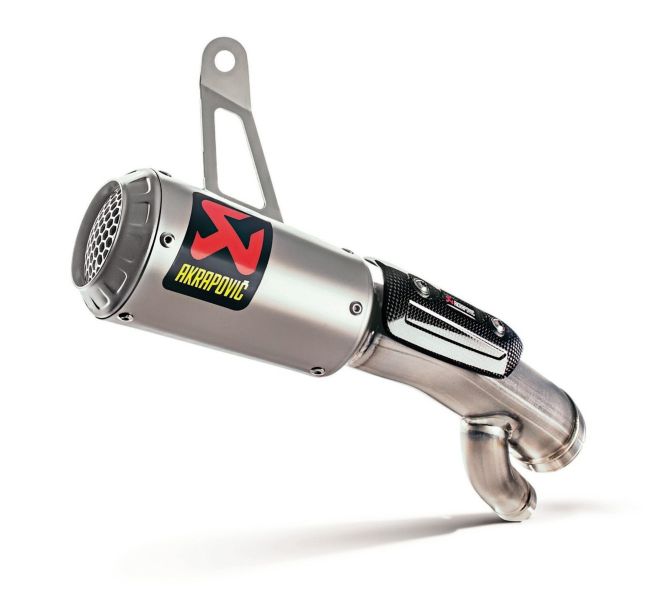
Loud, proud and packing a punch…
It’s ironic when you think about it, but nostalgia is bigger now than it’s ever been. Old cars, old bikes, old politics even – they’re all making a comeback. And while it’s true that a lot of stuff from the past was a bit crap (Reliant Robins, R65 BMWs, rickets), a lot of stuff was also really brilliant (Cosworth Fords, CB750 Hondas, Concorde). And in many ways, tuning a bike was easier, simpler and more fun back in the day. That’s mostly because the bikes of the time were a teeny-weeny bit shite as standard. The bike firms were doing great work producing sweet machines like the Kawasaki GPZs, Yamaha FZRs and Suzuki GSX-Rs of the 1980s and 90s. But they were far from perfect, and there was a lot of scope for the aftermarket guys to make them much better. Even in the late 1990s and early 2000s, as bikes moved on, it was still possible to bolt on a performance pipe from someone like Yoshimura or Micron and add 20-odd bhp, plus a heap of torque, to your litre sportsbike.
But now, it’s all got a bit trickier. The bike firms cottoned on a long time ago that if they put a bit more effort into their exhaust designs, they could ratchet up the grunt on their motors, making their bikes even more crackers than the competition. So where in the dim and distant past, they’d just weld up some old steel tubes into a basic drainage system to keep the superhot exhaust gasses away from your feet, nowadays, a top-spec superbike has a fiendishly complex system of header pipes, pre-catalyst sections, underslung silencing chambers and natty little MotoGP-style end cans. Computercontrolled butterfly valves open and close at carefully-chosen rev points, boosting power at the necessary times. With all this in mind, it begs the question of how can the aftermarket lot compete?
Law and order
Well, luckily for the performance kit makers (and us!), the manufacturers also have to jump through a series of ever-stricter hoops these days. Much of that is down to European emissions regs, which are there to stop kids and old folks being poisoned by nasty gasses like CO, NOx and HC. Now that’s a fair shout – no one wants their granny or kids dying from asthma caused by traffic pollution. You could, of course, argue that bikes being such a tiny part of road traffic means that these rules are overkill. But they’re the rules we have to play by. And Britain leaving the EU is unlikely to change that either – air pollution doesn’t play well with voters, so expect UK law to stick closely to the EU regs here (and bike firms will probably still just make one main bike design for the whole of ‘Europe’, including us troublemakers, anyway).
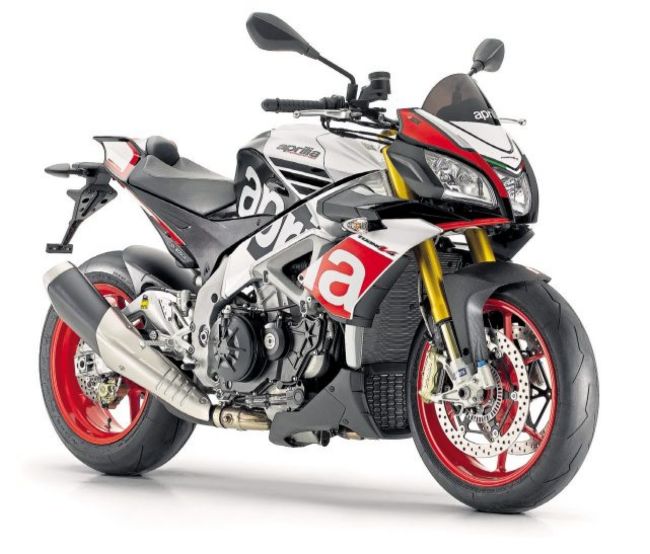
Stock systems strangle engine performance.
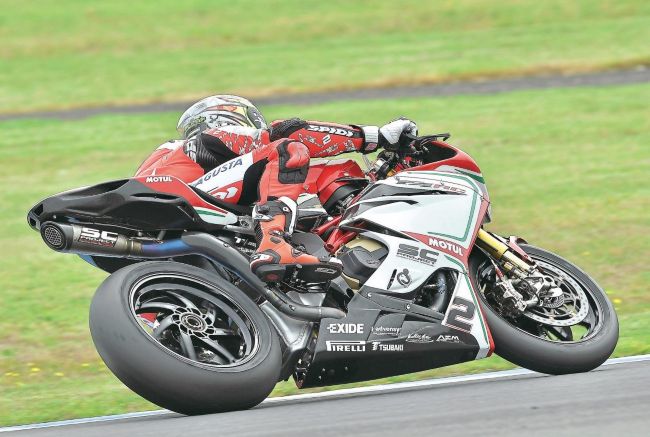
It’s not just a pretty sight. This SC Project system saves precious weight and cranks performance levels.
So, when bikes come from the showroom nowadays, they’ve got an incredibly high-tech solution in place, aimed at giving the best possible power. But – those systems have to make not one but two major compromises. They have to do the emissions thing, cutting out the nasties in the exhaust gasses and the excess noise. Plus, they have to keep the bean counters in Japan (or Italy/ Germany/Hinckley) happy. Bike firms are there to make a profit at the end of the day, and production costs will limit the design and materials used for each component, including the exhaust system.