THE SINKING OF TITANIC
COUNTDOWN TO DISASTER
As day turned to night on 14 April 1912, little did passengers and crew on board Titanic know of the horrors that lay ahead
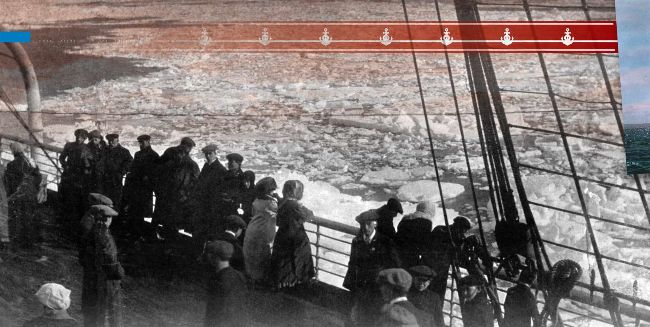
Passengers on an unnamed steamship look out over a field of ice – much like the one faced by Titanic
GETTY IMAGES X5, ALAMY X3
14 APRIL 1912
09:00
Having left Southampton four days earlier on its maiden voyage, Titanic’s radio operators receive their first warning about drifting ice in the area to which the ship is heading. e message, delivered by RMS Caronia, tells of the presence of “bergs, growlers and field ice” (growlers being smaller, hard-to-spot bergs) a day or so’s sailing from Titanic’s current position. A little more than an hour later, a telegraph arrives in the hands of Titanic’s captain, the highly experienced Edward J Smith, a man with more than 40 years at sea under his belt and who had previously captained Titanic’s sister ship, Olympic. Smith thanks Caronia, part of the fleet of the rival Cunard Line, for the warning.
11:00
Due to high winds, Captain Smith decides to cancel Titanic’s first lifeboat drill. is will prove to be significant when the evacuation of the ship becomes frantic almost 13 hours later.
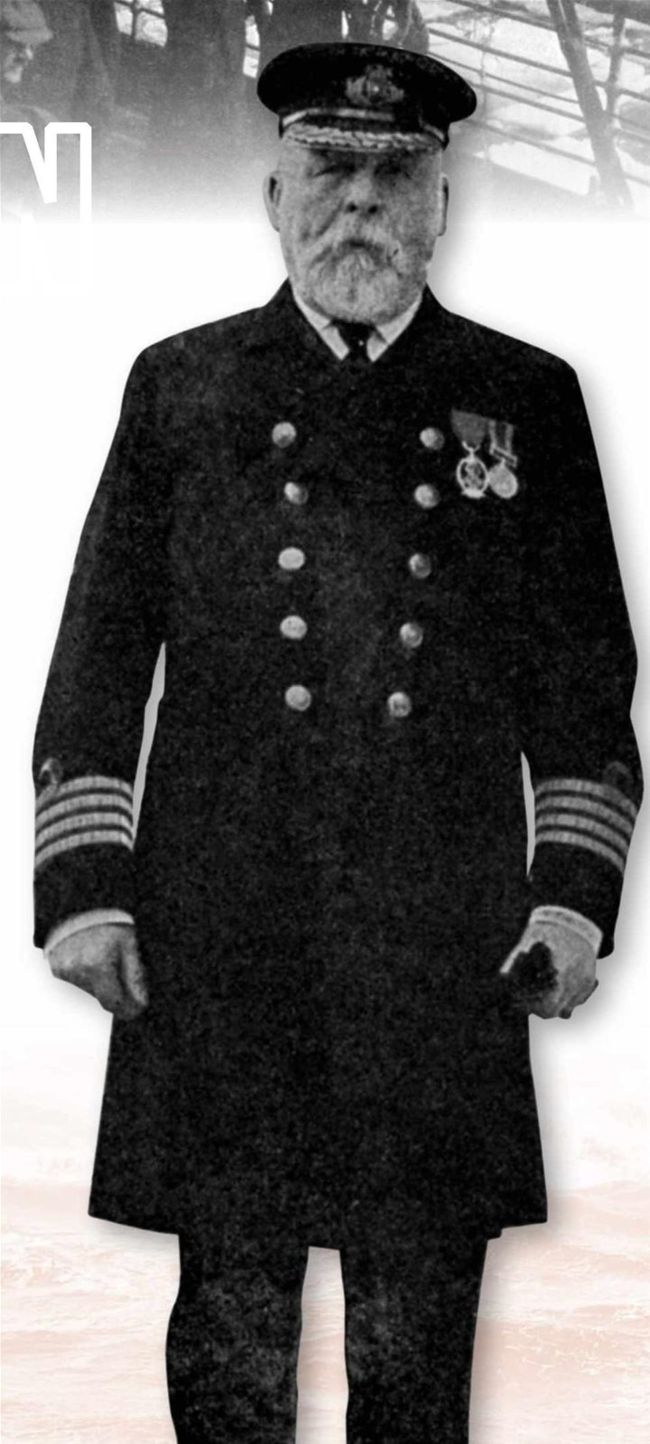
Captain Edward J Smith pictured in 1911 –a year before he led the ship’s doomed maiden voyage
13:42
Another warning comes Titanic’s way, this time from the Greek ship Athenai, relayed via RMS Baltic. It cautions the crew about “passing icebergs and large quantities of field ice” in the area. e chairman of the White Star Line, J Bruce Ismay, is on board Titanic; he always travels on the maiden voyages of his ships. Smith informs Ismay that a sharp lookout will be kept and that ice will be seen in time to avoid it, given the calm and clear weather conditions. Titanic
keeps to the longer steamer track to New York, which is advised during the iceberg season.
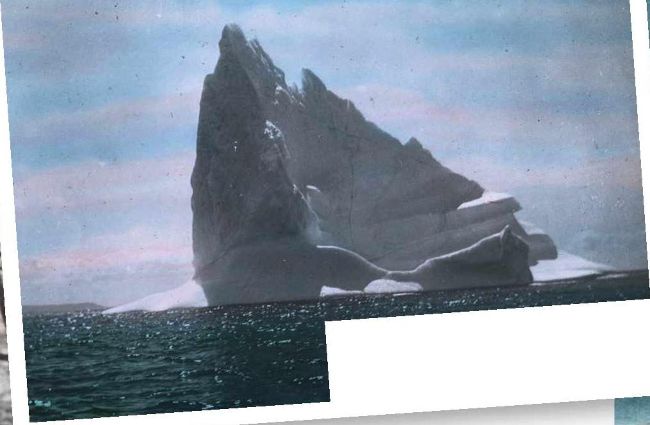
A catalogue of human error meant that warnings of icebergs relayed by other vessels were not properly acted upon
19:20
The radio operators pick up further reports, this time issued by SS Californian, of three large icebergs. is message is delivered to the bridge by radio operator Harold Bride, where it is posted on the notice board for o cers. Captain Smith is not on watch at the time, and is dining with passengers travelling first class, leaving the ship in the command of Titanic’s Second O cer, Charles Lightoller.
21:40
Senior radio operator Jack Phillips receives yet another warning from yet another ship, SS Mesaba, reporting of multiple large icebergs just 15 miles ahead of Titanic. However, there’s a communication breakdown. Messages for a ship’s captain should be prefixed with the letters ‘MSG’, but because Mesaba’s missive hasn’t been labelled correctly, Phillips does not treat it with the utmost urgency. Instead, he carries on with the pressured task of sending a large backlog of passenger telegrams now that he is within range of the Cape Race relay station on Newfoundland.