Indie game foundations
Setting the stage Tanya Combrinck discovers how artists build tone and weave emotion into narratives
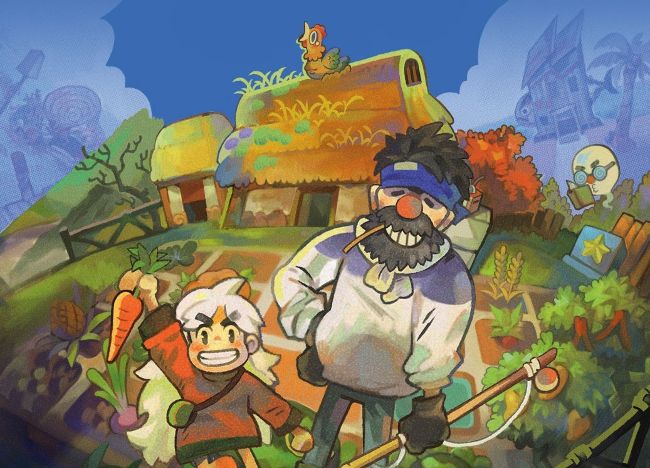
“In Eastward, we felt it was important to tell a story of the relationship between a parent and child in a world that feels increasingly dangerous,” says Hong.
© Chucklefish/Pixpil
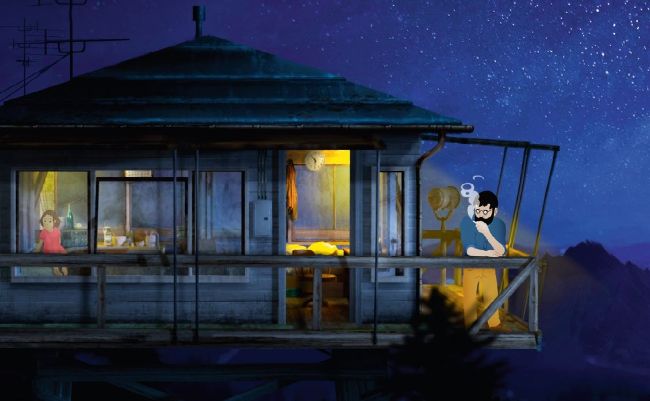
“The Night is Grey’s story makes the player ask a lot of questions, and the most important is the one you’ll ask yourself when you finish it,” says André.
© Whalestork Interactive
Drawings and paintings take on a whole new dimension when they’re used to create a game world. As emotive as animated films and TV shows can be, there’s nothing as special and engrossing as being immersed in a setting where you can dwell on and influence a moment rather than watching it pass by. Sometimes the atmosphere, emotion and mystery of just one piece of artwork is enough to inspire an entire game concept. Japanesestyled RPG Eastward was conceived when artist Hong Moran sketched a “weird monster dormitory building” that resembled the once infamous Kowloon Walled City of Hong Kong, an overpopulated, anarchic and hellish-sounding enclave that was demolished in 1994.
“We got excited about the design and came up with a game that would fit around the aesthetic,” says Hong. “Eastward unfolds within a cruel and unforgiving world, where every individual is forced to confront the pressing issue of survival. The storyline delves into the depths of our human existence, exploring the characters’ hidden secrets and their burdened pasts.”
JOURNEY OF DISCOVERY
The highs and lows of the story take the characters into moments of joy, sorrow and shades in between, but instead of guiding players on an emotional journey, Hong prefers to let them find their own way. “I feel