1980s
COMING UP AGAIN
HE MADE HISTORY IN THE SIXTIES AND FORMED ONE OF THE BIGGEST BANDS OF THE SEVENTIES. WHAT DID PAUL MCCARTNEY DO FOR AN ENCORE IN THE EIGHTIES? WELL, HE HAD TO ENDURE THE LOSS OF A FELLOW BEATLE AND COPE WITH DRUG BUSTS AND CRITICAL DISDAIN – AND THAT’S JUST FOR STARTERS…
PAUL LESTER

In Cannes, 1980, where Oscar Grillo’s Seaside Woman, based on Linda’s song, won Best Short Film
© Getty Images
PAUL McCartney began the Eighties just as he had the Seventies: making a record completely alone, and following the demise of a band. Whereas his 1970 solo debut, McCartney, was made in the wake of The Beatles’ split, McCartney II – his 10th release since quitting the Fabs – was recorded as Wings were winding down. Like its predecessor, it was a feat of studio solipsism: he recorded, engineered and played everything himself on his farm in Scotland.
MCCARTNEY II WAS IN THE VEIN OF THE FUTURE-FACING SOUND OF SYNTHPOP, THOSE ARTISTS USHERING US INTO A NEW, ELECTRONIC EIGHTIES
It couldn’t have been more different from Wings, a band whose output he was already beginning to disown. “I was never very happy with the whole thing,” he declared in 1986. McCartney II sounds like the work of a musician keen to move on. Whereas McCartney was a loose, lo-fi amalgam of strums, jams and doodles, McCartney II – in keeping with recent technological advances – was a more electronic affair. It was in the vein of the future-facing sound of synthpop, daft funk and DIY post-punk nu-disco: the likes of Talking Heads, Flying Lizards, Sparks Mk2 (i.e. produced by Giorgio Moroder), M, Gary Numan, Buggles, Yellow Magic Orchestra and Kraftwerk. These were the artists pulling down the curtain on the guitar-driven Seventies and ushering us into a new, electronic Eighties.
Suddenly, the chap who wrote Yesterday had more in common with bedroom-bound, tomorrow’sworld sonic explorers such as The Normal and Thomas Leer with his synthesisers, drum machines and spangly new fad gadgetry. But then, this was also the avant-gardist who penned Tomorrow Never Knows and would later operate as one half of The Fireman, so it made a sort of sense.
The album opened strikingly with the wonky-funky novelty Coming Up – also issued as a single in April 1980 – which sounded as though McCartney was singing through a megaphone, Thirties crooner Rudy Vallee-style (the vocals were sped up and then put through an echo machine, with harmonies provided by wife Linda), over an insistent beat and a squiggly guitar motif reminiscent of David Byrne and his New York brainiac-funk crew. It was an impressive start to McCartney’s second solo opus. Indeed, John Lennon was so impressed, it was later credited as the song that drove the other former Beatle out of retirement to resume recording, which he did later that year with Double Fantasy.
In the States, Coming Up was a No. 1 hit (one place higher than the UK) and sold a million copies, proof that going out on a limb can prove commercially viable. The accompanying video must have helped, featuring as it did Paul assuming various pop guises (including Hank Marvin of The Shadows, Ron Mael of Sparks, and even a moptop version of himself).
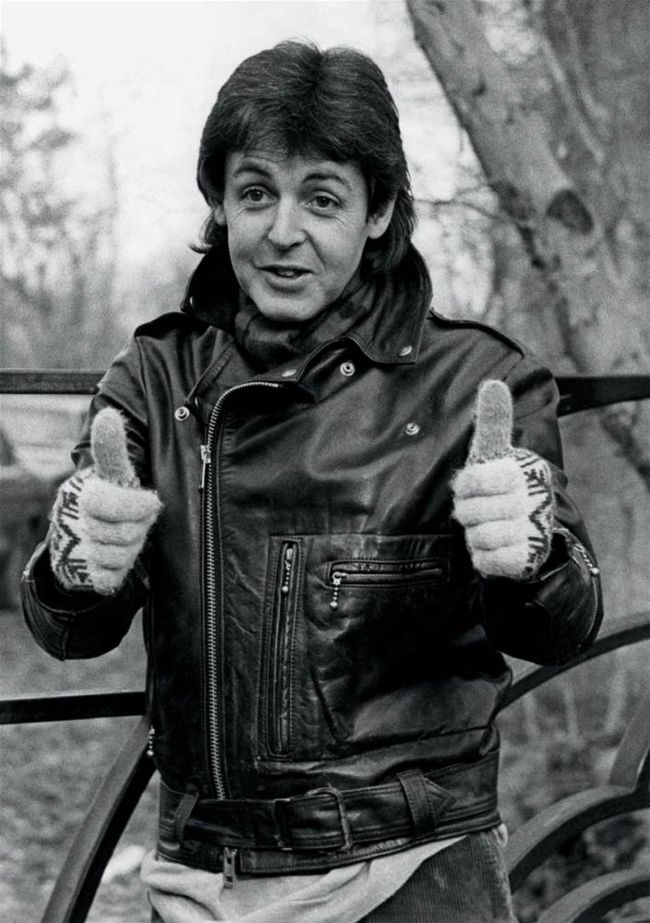
Back home in Sussex after that unfortunate little incident in Japan
© Getty Images
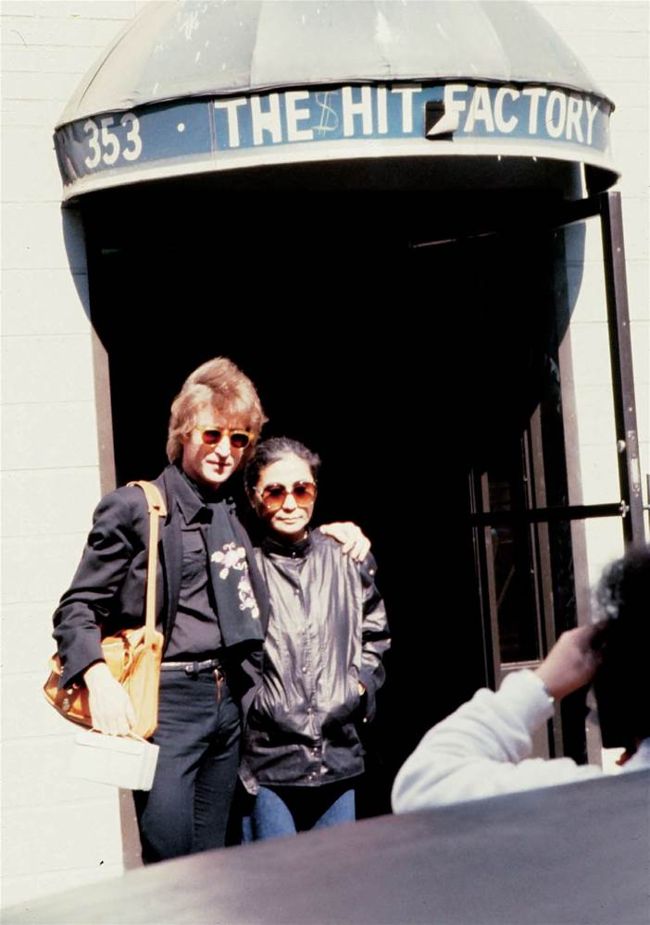
John Lennon and Yoko Ono obligingly pose for fans outside a New York recording studio, September 1980
© Getty Images
The second track Temporary Secretary was another startling number, all sequenced pulse and nasal android vocal, like a robot with sinus trouble. On The Way was something completely different, a traditional blues chug, followed by Waterfalls, a ballad that reached No. 9 in the UK when issued as a single. With McCartney accompanied by Rhodes electric piano and synth, it bore some resemblance to the debut single, Waterfall, that Seventies hitmakers 10cc recorded back in 1972 for The Beatles’ Apple imprint, presumably coincidentally. Meanwhile, McCartney many years later would acknowledge that R&B trio TLC’s own song, Waterfalls, carried trace elements of his recording.
Nobody Knows was country’n’techno, with a hoedown guitar and yee-haw vocal, and a nagging, machinic insistence. Front Parlour was an instrumental, its tinny drum machine pitter-patter and sunny keyboard melody making it sound like lo-fi blog synthpop a good two decades ahead of schedule – no wonder Hot Chip, to name just one 21st century exponent of the electronic pop form, have cited McCartney II as a major influence. Summer’s Day Song was pretty and sparse, featuring just McCartney and some keyboards, Frozen Jap had a techno-Oriental feel, Bogey Music was reverb-laden rockabilly, Darkroom was a loping affair concealing a tongue-in-cheek horror seduction scene, and One Of These Days was a plaintive, lonesome acoustic ballad.