CLASSICAL MUSIC
WORKING CLASSICAL HERO
HAVING PIONEERED THE INTEGRATION OF CLASSICAL AND POP UNDER THE GUIDANCE OF GEORGE MARTIN, IT WAS OVER 25 YEARS BEFORE MCCARTNEY FELT ASSURED ENOUGH TO FULLY IMMERSE HIMSELF IN THE CLASSICAL WORLD…
MARK LINDORES
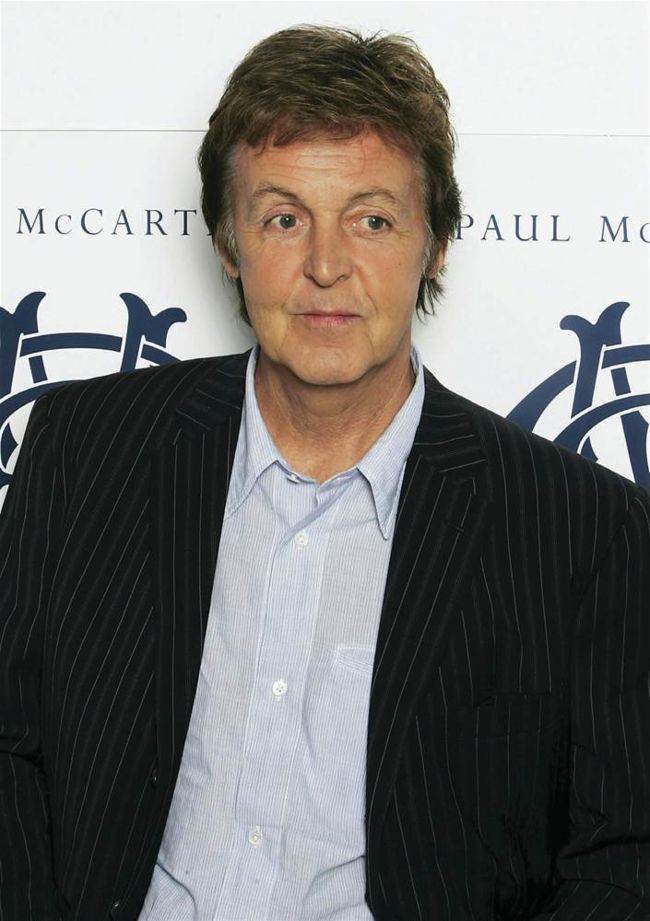
McCartney on the official release day of his Ecce Cor Meum album, September 2006
©Getty Images
DESPITE having established himself as something of a maestro in the art of classic pop, when it came to composing a true classical piece Paul McCartney was in many ways a novice. Therefore, what better subject to draw on for his debut than his hometown and his roots? In 1989, Paul was approached by the Royal Liverpool Philharmonic Orchestra with the suggestion that he should compose a piece to celebrate the orchestra’s 150th anniversary. Delighted to be asked, McCartney described the offer as “the perfect excuse for me to expand my flirtatious excursions into the orchestral and choral world into a full-blown work”.
“They rang up and asked me to do this for their 150th anniversary,” he explained. “It was my hometown orchestra, it was to be performed in the cathedral, which is right next door to the school where I did all my schooling, and it was in an area of a million great memories for me. I always had the idea that I might do this one day so I just leapt at the offer and said, ‘Okay, in two years’ time we’ll deliver. arl Davis and myself will deliver something that you can celebrate your 150th anniversary with.’”
Conductor/composer Carl Davis and Paul had been friends ever since Paul and Linda guest-starred in Carla Lane’s sitcom Bread in 1988, in which Carl’s wife Jean Boht played Boswell matriarch Nellie. The two couples became firm friends, and when the orchestra approached Paul he called on Carl to work alongside him on the project. With Paul being inexperienced in the classical field and famously unable to read or write music, Carl proved to be a mentor to Paul during the creation of the piece.