Mac FORMAT INVESTIGATES
Online safety
Apple, Meta and Signal have taken exception to the government’s Online Safety Bill. We find out why…
WRITTEN BY CHARLOTTE HENRY
For our latest subscription offer see page 34!
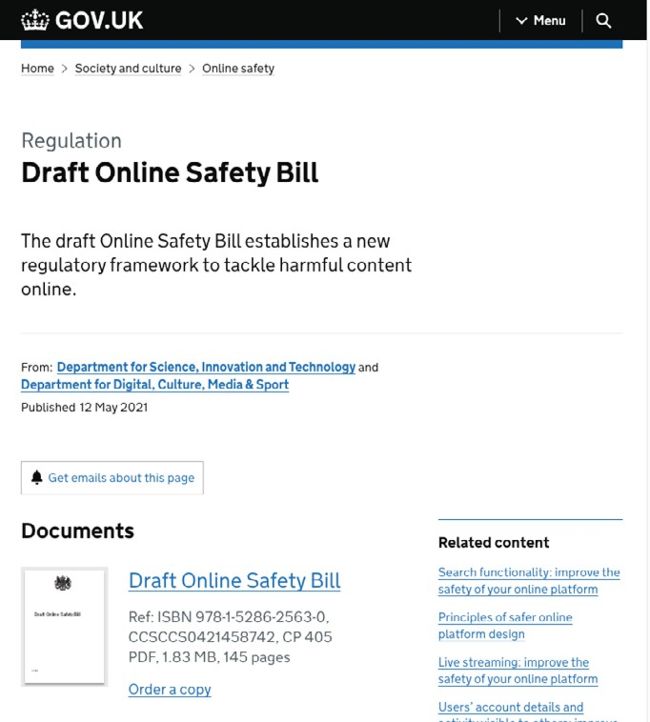
The UK government’s Online Safety Bill is proving to be both controversial and contentious.
K
eeping people – and
children, in particular – safe online is, quite
rightly, a significant concern.
We know there is plenty of distressing and unlawful content out there being shared on platforms, including the mainstream ones. The Online Safety Bill is the UK government’s attempt at tackling this, but it is proving to be a contentious and hotly contested piece of legislation.
The government’s explainer document describes the bill as “a new set of laws to protect children and adults online”. It adds: “It will make social media companies more responsible for their users’ safety on their platforms.”
On the surface, this sounds very reasonable, even positive. Who wouldn’t want to protect children and adults online? However, there are huge concerns about the impact that the new rules, if introduced, will have on technology, particularly end-to-end encryption.
Essentially, the demand is that social networks and other digital service providers, including Apple, use technology to scan for and eliminate illegal content including harmful content featuring children. The problem is, in doing so, the privacy promises the firms make to their customers could become almost redundant.
There have been a host of objections to the legislation raised by campaigners. James Baker, campaigns and grassroots activism manager at digital campaigning organisation, the Open Rights Group, told MacFormat: “The government claims the Online Safety Bill will protect children, but it will actually harm their right to access information and privacy. The Bill’s remit is vast, and the Government has failed time and time again to clarify what its vaguely written proposals will mean in practice.”