THE SHIFT
MATT BOLTON doesn’t want the new version of iOS to build on yet more features, but to make more of what we already have
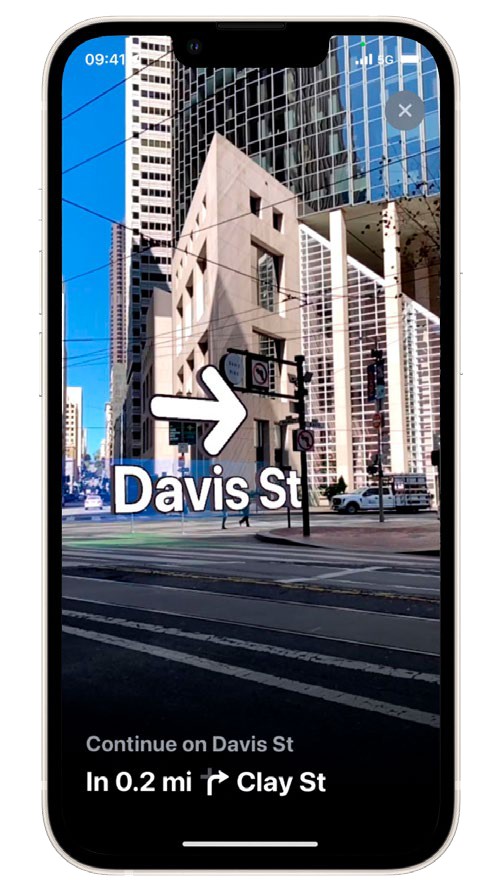
The Maps app is a good example of Apple innovating — new map designs and AR features really updated how well it works.
AS IWRITE this, Apple has just announced that WWDC 2022 will indeed take place this year. I wasn’t especially fearful that it wouldn’t, any more than I am fearful that December will roll around and there’ll turn out to be no Christmas (though, admittedly, that may be a real danger this year at this rate). So I tried to think about what features I’d like Apple to add this year, and I realised that I don’t think about magic new features for the iPhone any more. 15(!) years into its life, it’s no surprise that it’s harder and harder for there to be game– changing new things that a phone can do. No, all my gripes are more about the state of things now, and it struck me just how static and, perhaps, stagnant some of the built–in iPhone apps are.
The thought germinated in the Music app. Apple has improved the service with new music quality options, but the app itself hasn’t developed the same way. Did you know that on Android, Apple Music can crossfade between tracks in a playlist, giving a smoother transition? This has never come to iOS. Imagine the interesting things this app could offer around discovery of new music. What if you could explore a cloud of connected artists, listening to snippets on the way to build a new set of recommendations. What if the Neural Engine could power a system of song mixing, where it pulls tracks that match the beat from your library?