The Last Doll
Fantasy Island
1972, Lower Manhattan, a band before their time are establishing a toehold. Fifty years on, in conversation with Jon Savage, New York Dolls' sole surving member recalls their early days on a scene where anything went: feather boas, "trisexuality", ridiculous theatre and more, "In the neighbourhood we were just free, "says David Johansen
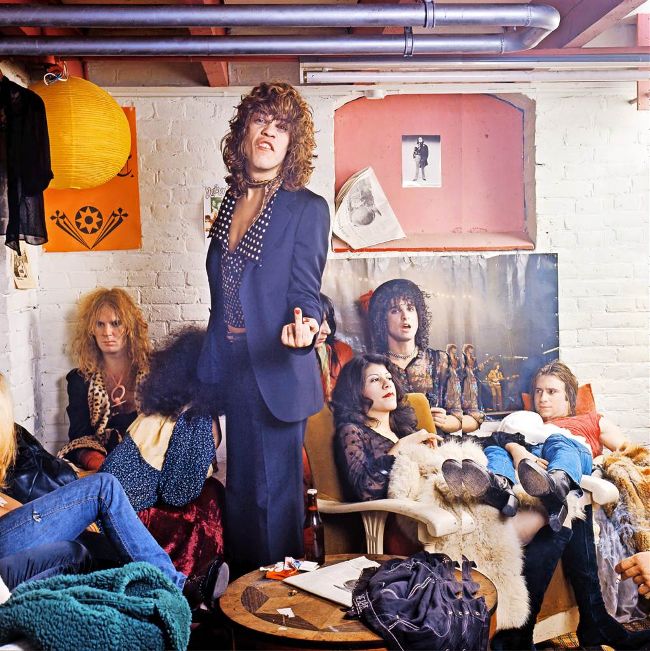
All dolled up: New York Dolls (from left) Arthur Kane, David Johansen, Johnny Thunders (part obscured), Sylvain Sylvain (in hat) and Jerry Nolan,
Paradiso dressing room, Amsterdam, December 7, 1973.
Photograph: Gÿsbert Hanekroot.
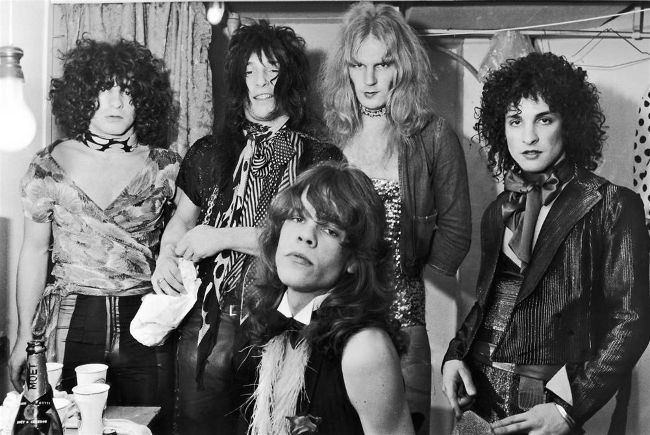
East Village people: Dolls (from
left) Billy Murcia, Thunders, Johansen, Kane
and Sylvain, October 30, 1972
Getty (4), Shutterstock
ON JUNE 13, 1972, THE New York Dolls played the first of 14 Tuesday nights the Oscar Wilde Room in the Mercer Arts Center, on Broad- way & West 3rd Street. Stretching into October, this residency estab- lished the band as the premier new group in Manhattan, and created a meeting place for the outsiders who attended Max’s Kansas City and peopled the East Village: Warholite scenesters, pop stars, drag queens, designers, disaffected teens, what writer Alan Betrock called “the Dolls’ nouveau-freakish-bisexual audience”.
This interview with Dolls singer David Johansen covers their stor y between the start of that residency and the release of their first album in July 1973. The subsequent downfall of the group has been much emphasised in the inter vening five decades, yet in the summer of ’72 the Dolls struck many as a powerful restatement of rock’n’roll verities: namely that songs should be short, attitudinal and exciting, played by a young group (they were all aged between 20 and 23) who reflected their place and their time.
Fusing Chuck Berry via The Rolling Stones with ’60s girl-group harmonies, chord changes and interjections, the Dolls sounded like their East Village neighbourhood – an urban petri dish of cheap rents, plentiful thrift stores and colourful characters. As Johansen tells MOJO today, “Since the ’50s with the beatniks, the East Village had been incrementally moving along, and wound up at this spot, in 1972, and the rest of the countr y was still in the ’50s.”
In 1972 and early 1973, the Dolls stood alone. Johansen was influenced by Janis Joplin, Mitch Ryder and out-there art troupe The Cockettes, while guitarists Sylvain Sylvain and Johnny Thunders’s thrift store cross-dressing chic placed them at the cutting edge of fashion. The look brought them attention both positive and negative: while the Dolls were heterosexual, they looked like they cared less what you thought they were. In the spirit of the time, they enjoyed playing with the possibilities of what a man could look like and what a man could be, and if that meant wearing women’s clothes, so what? Nevertheless, a wider American public would prove less receptive to those ambiguities.
In these early days, however, success was not the goal. Having fun was. Catching a show at Max’s Kansas City in Januar y 1973, the drama critic Stefan Brecht – the son of playwright Bertholt – noted the group’s curious innocence: “The Dolls are just that – real dolls: nice, pretty, gentle, friendly, clean youngsters, nothing more (except that David is intelligent and a good performer for the public), nothing else.” Yet darkness had already touched them: original drummer Billy Murcia choked to death in November 1972 on the group’s first trip to London – atragic and shocking event.
Following the deaths of Johnny Thunders in 1991, drummer Jerry Nolan in 1992, bassist Arthur ‘Killer’ Kane in 2004 and Sylvain in 2021, David Johansen is now the last of the first five Dolls. Although recovering from a recent illness, he’s in good spirits and warms to enquiries about the roots of his band and its early impact. And as he reveals, more Dolls-related activity is afoot. A forthcoming documentar y by Martin Scorsese will offer an over view of Johansen’s 50 years as an iconic American performer.
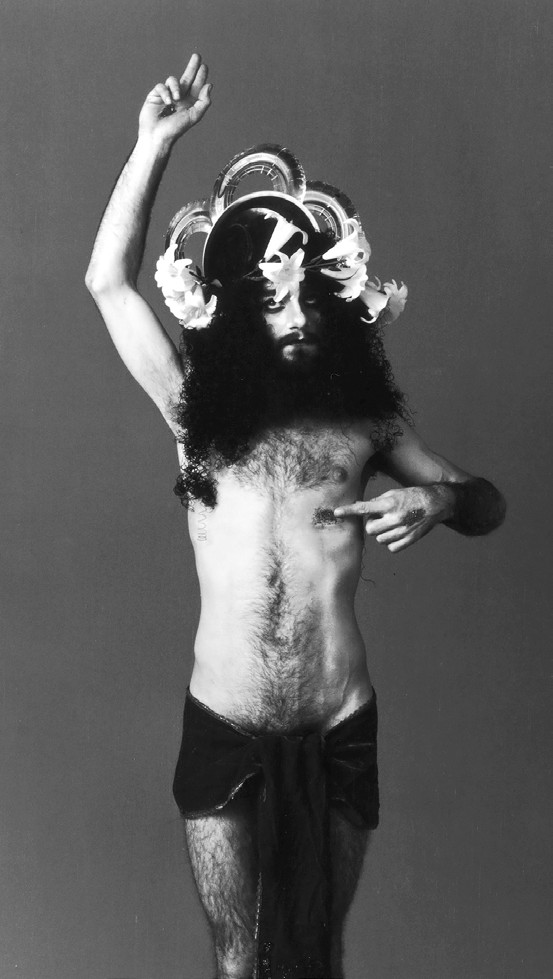
Ridiculous Theatrical Company founder Charles Ludlam
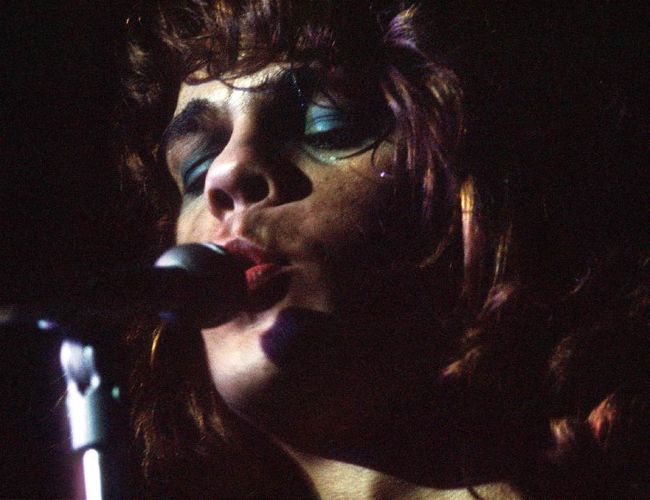
Johansen gets lippy, 1973
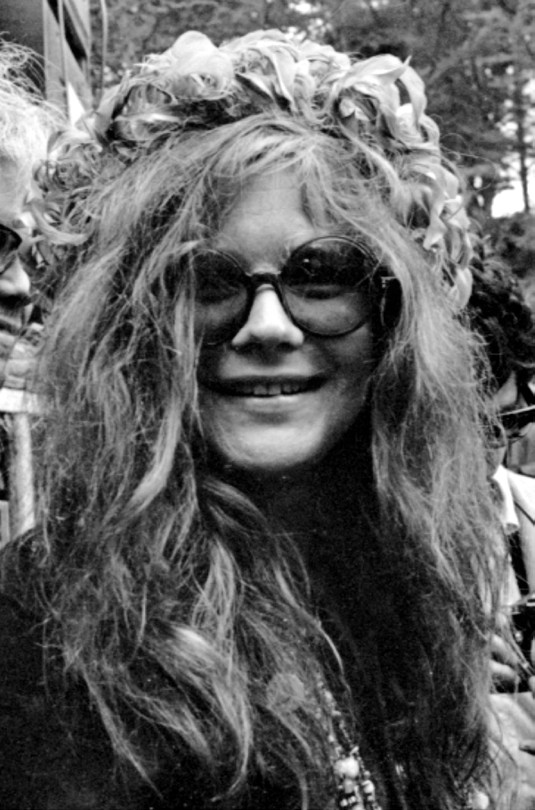
Janis Joplin (1967): David was “crazy” about her;
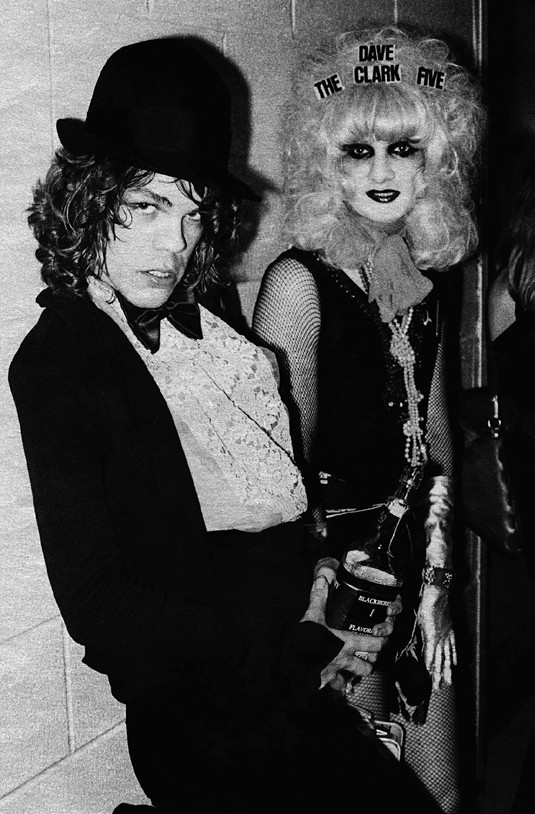
Johansen and Jayne County share a bottle
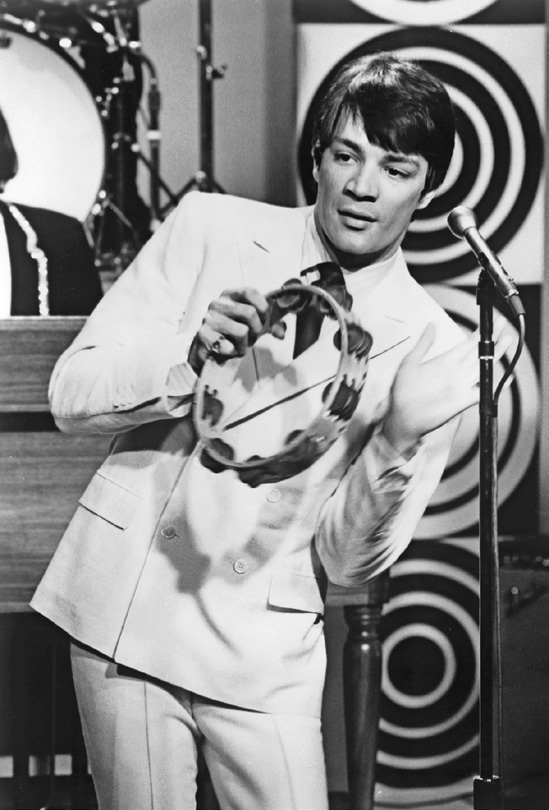
big influence Mitch Ryder, circa 1967.
"A lot of the bands had just become this be-denimed mass. We wanted to have a show that was explosive."
It’s 50 years since you started your residency at the Mercer. How did it come about?
Well, I knew a guy called Eric Emerson. He had this band, Magic Tramps, a gypsy violin kind of band, and he told me he was gonna play at this new place, the Mercer Arts Center in a room called The Kitchen – Nam June Paik had videos in there, that kind of business – and I said, “Yeah, I’d like to play there with you.” So we opened for him, and the manager of the place – Ithink his name was Al Lewis – says, “I want you guys to play again.” I guess he was impressed by… I don’t know what. So anyway, we played again, and I went into his office to get the 30 dollars or whatever it was, and he asked if we would we like to play on a weekly basis in the Oscar Wilde room – Ithink they had five rooms. So that was that.