THERE’S NO OTHER
FUSING ART AND PUNK AND CLASSIC POP IN THEIR LOWER EAST SIDE CRUCIBLE, BLONDIE BECAME A POSTER ON THE WORLD’S BEDROOM WALL, UNIQUELY ICONIC. BUT AS THEIR REVELATORY 2022 BOX SET REVEALED, THEY WERE A BAND FOR ALL SEASONS, WITH STRENGTHS THEIR FAME OBSCURED AND, PERHAPS, ULTIMATELY UNDERMINED. “WE WERE OUR OWN WORST ENEMY ONCE WE GOT SUCCESS,” THEY TELL TOM DOYLE.
PORTRAIT BY MICK ROCK.
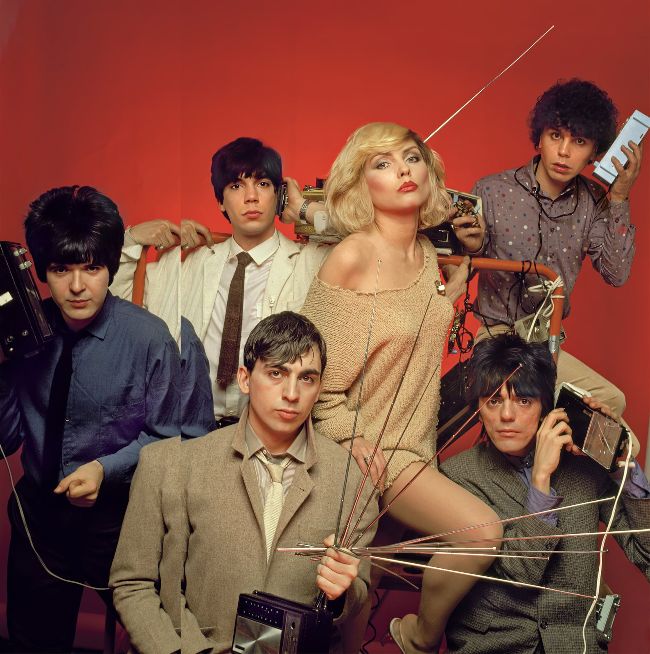
Tuned in, turned on, dressed up: Blondie in 1978 (clockwise from left) Clem Burke, Jimmy Destri, Debbie Harry, Nigel Harrison, Frank Infante, Chris Stein.
Mick Rock
WEST HOLLYWOOD, 1977. BACKSTAGE at the Whisky A Go Go on Sunset Strip, there was a knock on Blondie’s dressing room door. Outside stood two bodyguards flanking a long-haired and bearded Phil Spector. The fa-bled producer was dressed in black, wearing Gra-dient Aviator shades and a cape, a crucifix dangling from his neck, and two badges pinned to the lapel of his suit jacket. One bore his sonic motto, “Back To Mono”. The other, “In The Flesh”, the title of the New York band’s distinctly Spector-esque second single, released the previous year.
“He practically locked us in the dressing room and sort of lectured us at length,” remembers Blondie’s then-bassist Gary Lachman (AKA Valentine).
“I guess it was already common knowledge that he was kind of out of his mind,” notes drummer Clem Burke.
“He was fucking nuts,” flatly states guitarist Chris Stein, who recalls that after Spector tried to entice his partner, the group’s luminous singer Debbie Harry, into his limousine, the band warily accepted the unhinged producer’s invitation to follow him up to his walled-off Beverly Hills mansion.
“He answered the door to his house with a [Colt] .45 in one hand and a bottle of Manischewitz wine in the other hand,” Stein remembers. “The whole time he spoke in a WC Fields voice.”
Inside, Spector blasted out rough mixes from the album he was working on, Leonard Cohen’s Death Of A Ladies’ Man, before coaxing Harry to sit alongside him at the piano and sing Be My Baby and other Ronettes hits. At one point, he pointed his gun into her thigh-length leather boot and exclaimed “Bang, bang!”
“It was a little intimidating being there,” says Harry, with no little understate-ment. There was talk that night of Spector perhaps producing the next Blondie album. But these weird scenes rightly set off alarm bells.
“We’re really lucky we avoided Phil, is all I can say,” concludes Stein, drily.
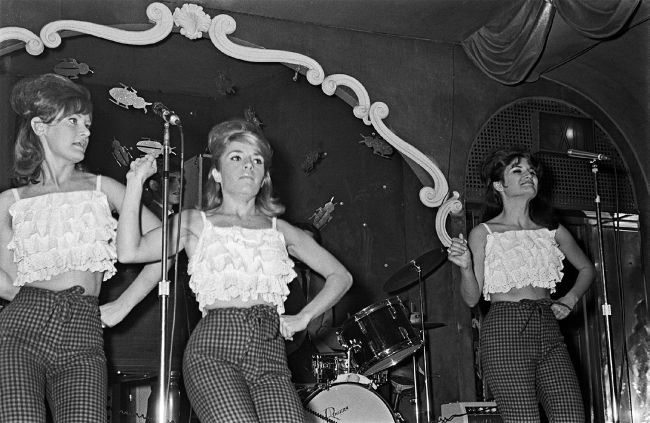
While superficially a band of scrappy Lower East Side proto-punks, Blondie had already tapped into their ’60s girl-group influences. Debut single X Offender, released in June 1976, may have been a lurid street tale of a hooker falling for the cop who arrests her, but it opened with a Shangri-Las-echoing spoken-word introduction from Debbie Harry (“I saw you standing on the corner/You looked so big and fine”), before its propulsive pop thrills rushed in. Elsewhere, Blondie made their love of the Brill Building songwriting tradition explicit on their debut by featuring, on In The Flesh, the cooing backing vocals of Ellie Greenwich, co-writer (with Jeff Barry and George ‘Shadow’ Morton) of Leader Of The Pack.
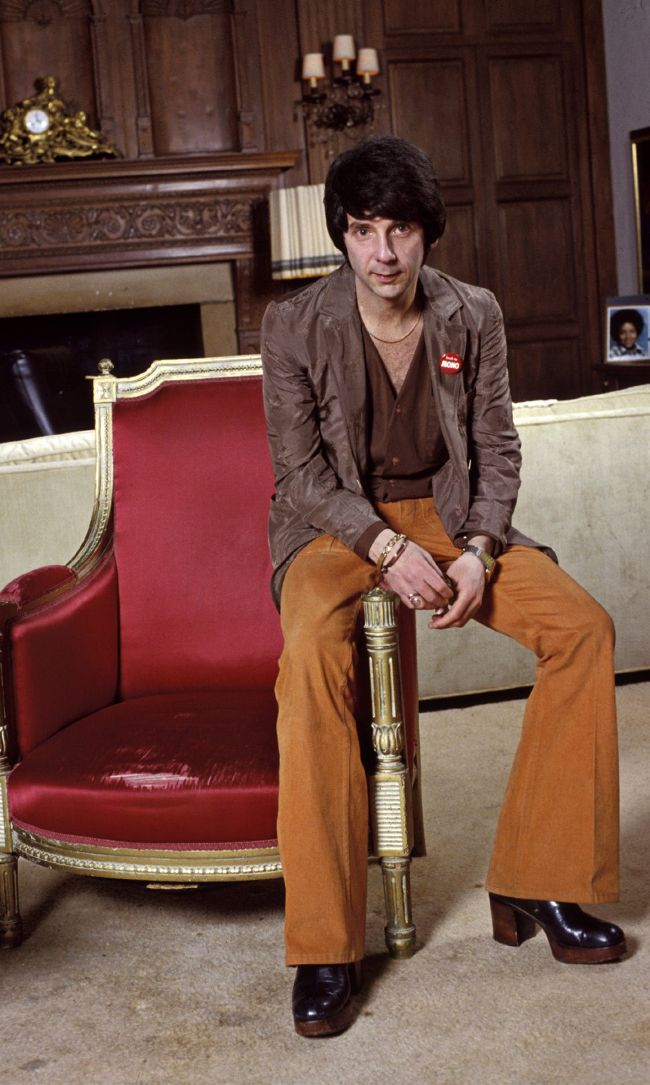
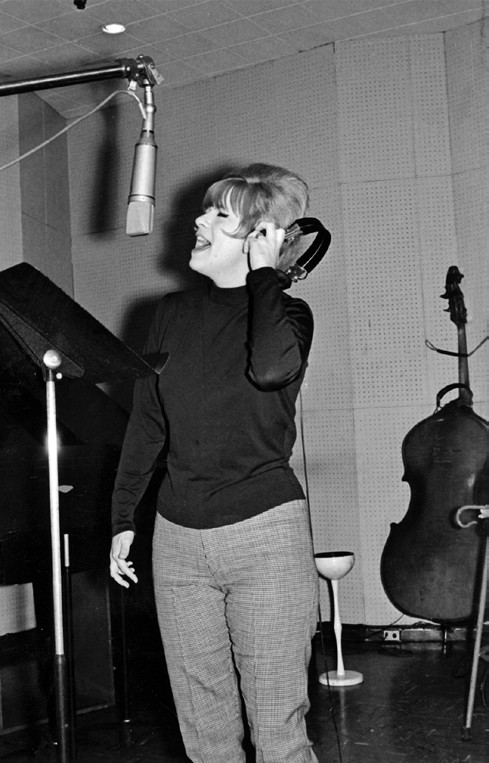
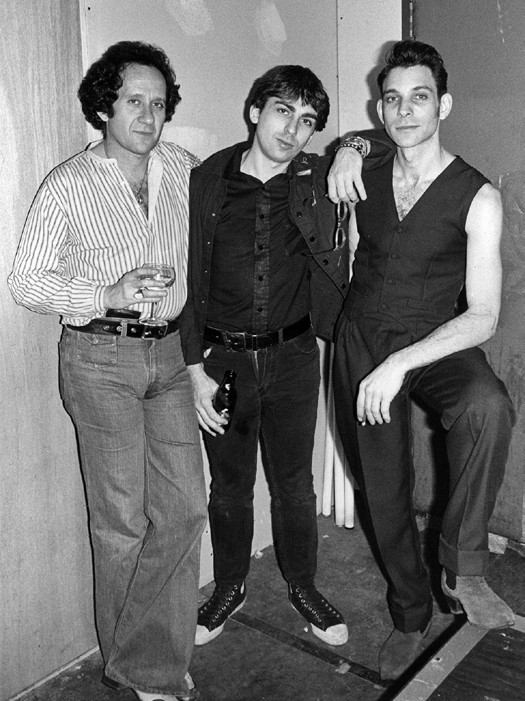
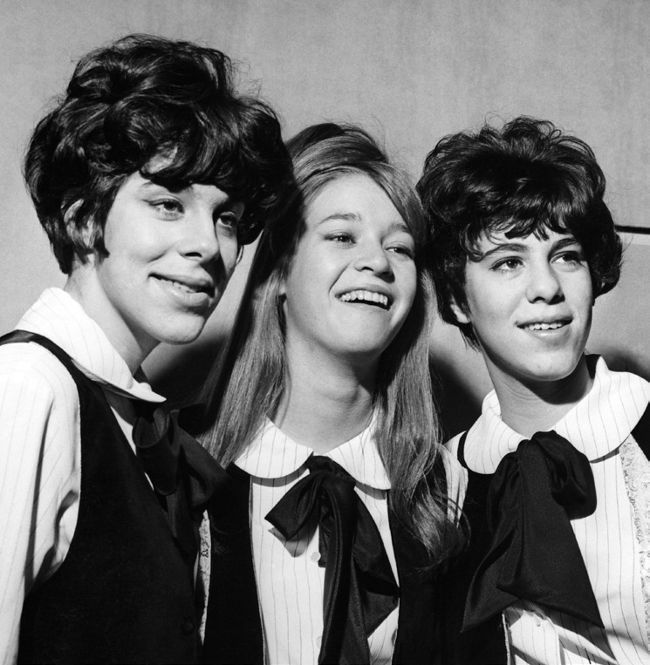
Leaders of the pack: (clockwise from far left) Phil Spector, mooted Blondie producer, 1978; Ellie Greenwich, 1964; The Shangri-Las, key component of the Blondie “common aesthetic”; Debbie Harry in 1963; My Boyfriend’s Back hit-makers The Angels; Chris Stein at Max’s Kansas City, New York, with Blondie producer Richard Gottehrer (left ) and singer Robert Gordon, 1977.
Alamy, Getty (4), Tony Korody/Polaris/eyevine
Meanwhile, the producer of their debut long-player was Richard Gottehrer, writer of 1963 hit My Boyfriend’s Back for The Angels – asong Harry had loved as a teenager. The loca-tion for these first album sessions was half a world away from the scuzzy CBGB habitat where the group had honed their repertoire. Plaza Sound Studios, in midtown Man-hattan, sat on the top floor above Radio City Music Hall and was a high-end facility. The members of Blondie were tickled to find themselves sharing the elevator with dancers from Radio City’s high-kicking star attraction, the Rockettes. It was perhaps the first indication that a band that had formed on the dirty, dangerous streets of lower Manhat-tan were destined for a far brighter and starrier future.
“It was fun just to travel uptown,” reckons Clem Burke. “Because we never went above 14th Street prior to that.”
BLONDIE WERE VERY MUCH A DOWNTOWN NEW
York band. In their loft at 266 Bowery, lived in by Debbie
Harry and Chris Stein, along with a lodging Gary Lachman, they’d developed their idiosyncratic sound in intensive rehearsals that threw together the loose three-chord sashay of the New York Dolls with ’60s R&B and bubblegum pop.
It wasn’t, however, the m ost salubrious of settings.
“It was three floors above a liquor store and a restaurant supply place,” recalls Lachman, a London resident since 1996. “Someone had ingeniously tapped into their sources of electricity, so we didn’t have an electricity bill. Debbie’s cats peed everywhere, so it smelled like cat piss, and we all had this kind of kitschy magic stuff… upside down crucifixes, and pentagrams.”
Harry and Stein had met in 1973 when they were in raucous glam rock/cabaret band The Stilettoes, before peeling off to form their own group, Angel And The Snake, which morphed into Blondie. Bayonne, New Jersey-born Clem Burke had joined as drummer in ’75, though performed only one gig at CBGB before bassist Fred Smith quit to join Television.