HOW TO BUY
Gregory Isaacs
Reggae’s Cool Ruler, by Simon McEwen.
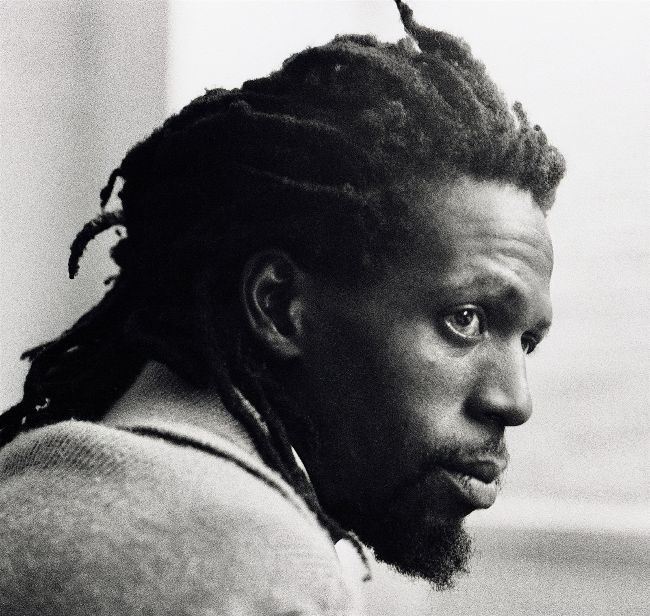
Playing it cool: Gregory Isaacs in 1981, his tantalising croon defined the golden era of reggae.
Steve Rapport/Getty Images
FOR THOSE not familiar with Gregory Isaacs – alternatively known as the Cool Ruler, the Lonely Lover and latterly One Man Against The World – the most distinctive singer in reggae, I suggest you check the YouTube clip of him performing Slave Master in 1978’s Rockers movie. It’s a short but formidable performance, Isaacs resplendent in sky blue three-piece suit, oozing with effortless charisma, his voice a weapon of seduction even though he’s singing one of his more cultural tunes. It lays bare Isaacs’ appeal in a nutshell: the sharp-dressed, pillow-eyed natty dread with the tantalising croon who defined the golden era of reggae with songs of love, struggle and hope.
Born in 1951 in the deprived Kingston neighbourhood of Fletchers Land, Isaacs began his musical career in the late ’60s on the talent show circuit, releasing his first single Another Heartache after being spotted by producer Byron Lee.
“A different path may have led Isaacs to Marley-sized fame.”
It flopped, and the singer didn’t fare much better when he tried his fortunes with vocal trio The Concords. Regardless of his poor start in Jamaica’s ruthless recording business, Isaacs endured, finally scoring a hit with All I Have Is Love in 1973 and opening his own record shop and label, African Museum, with the proceeds. His biggest breakthrough came the following year with the Alvin ‘GG’ Ranglin-produced hit Love Is Overdue, which even topped the UK reggae chart. Throughout the rest of the decade Isaacs’ star was in the ascendant, the singer scoring hit after hit as the Cool Ruler (rootsy; conscious; militant) transformed into the Lonely Lover (soulful; wounded; salacious) at the beginning of the ’80s. Isaacs stood out from the pack because he had a different MO to other Jamaican singers. According to Lloyd Bradley in his excellent book Bass Culture, “Gregory’s trademark approach to any sort of song was one of loneliness and rejection.”