Restarting A Revolution
Textures once helped pioneer the modern djent and heavy progressive blueprint, but the Dutch sextet disbanded at the end of 2017 when it felt like the bands they’d inspired had overtaken them. Now, back from the dead and sounding more complete than ever before, returning keyboardist Uri Dijk tells Prog about their resurrection, unlikely new influences and why they won’t buck to genre trends.
Words: Phil Weller
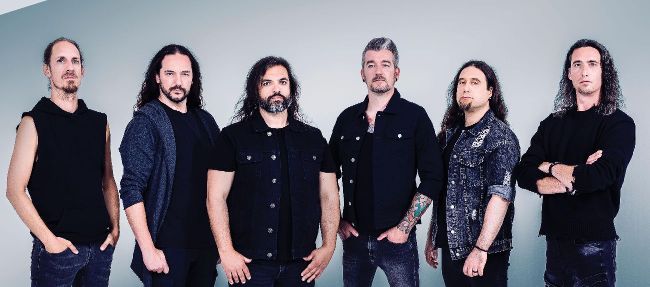
Textures: if at first you don’t succeed, ditch the album and start again!
Images: Jeroen Aarts
D jent has been a big part of the modern prog ecosystem for nearly two decades. But when Dutch band Textures came to the fore with their debut album Polars in 2004, the term was yet to be coined. The record was a creative echo of the technical aggression of Meshuggah’s late-90s and early-00s output, characterised by complex polyrhythms and a near-industrial intensity. Soon Textures would find their own pioneering identity.
With Drawing Circles (2006) and Silhouettes (2008) – their first record with versatile second vocalist Daniël de Jongh – their technicality became more graceful, their songs more dynamic and emotional, coloured by de Jongh’s powerful clean vocals. Suddenly, there was a softer side to their angularity, offering an innovative reimagining of Meshuggah’s pre-djent recipe. By the time their fourth album, Dualism, dropped in late 2011, TesseracT had emerged from Milton Keynes with their debut LP One, and across the Atlantic, Periphery were making waves. Both bands drew heavily on the Textures template: they saw the Dutchmen as torchbearers for a style now firmly established in prog’s lore.