GB
  
You are currently viewing the United Kingdom version of the site.
Would you like to switch to your local site?
23 MIN READ TIME

GENDER WARS

A lawyer and philosopher on opposite sides of the debate about trans and women’s rights respond to seven propositions—ranging from single-sex spaces to puberty blockers for children

1. TRANS WOMEN ARE WOMEN

2. IT SHOULD NEVER BE LEGAL TO EXCLUDE TRANS WOMEN FROM WOMEN-ONLY SERVICES AND SPACES

3. TRANSPHOBIA IS THE IRRATIONAL FEAR OF, AVERSION TO, OR DISCRIMINATION AGAINST TRANS PEOPLE

4. CHILDREN UNDER 16 SHOULD NOT BE PRESCRIBED PUBERTY BLOCKERS

5. TRANS PEOPLE IN THE UK NEED BETTER ACCESS TO HEALTH CARE

6. THE CENSUS SHOULD COLLECT SEPARATE DATA ON SOMEONE’S BIOLOGICAL SEX AND GENDER IDENTITY

7. WE NEED TO REFORM THE PROCESS OF GENDER RECOGNITION THROUGH WHICH PEOPLE CAN CHANGE THEIR LEGAL SEX

The conflict over trans rights has become one of the most fraught debates of our time. The stakes are incredibly high: JK Rowling and Chimamanda Ngozi Adichie are just two of the women who have found themselves subject to vicious attacks for saying things that others believe are beyond the pale. Some trans people feel careless use of language serves to increase stigma and transphobia. At the heart of the dispute is a disagreement between those who think someone’s gender identity—whether they identify as a man or a woman, regardless of their biological sex—should always take precedence in single-sex services, sports and spaces; and others who believe biological sex cannot be altogether replaced by gender identity. On one side of the argument, trans activists claim it is hateful to say being a woman is anything more than a question of someone’s self-declared identity. On the other, some feminists argue that to reduce womanhood purely to this is to minimise the fact women have always been oppressed at least partly on the basis of their sex, and that differences between males and females are relevant to things like prisons and sports. The polarised tone in which this debate is often conducted makes it more difficult to make sense of what’s actually at stake. Here, we bring you two perspectives from opposing sides of the debate in the hope of illuminating points of contention as well as areas of agreement.

TRANS WOMEN ARE WOMEN

Robin White

Robin White

Of course we are! Though it does, of course, depend on the test you apply. If you were to ask those who love us, work with us, are friends with us, or just sit next to us on the train, you would find that we are accepted into the female diaspora (just as trans men are accepted as men). We are female lawyers, doctors, scientists, engineers, entrepreneurs, train drivers, and—by dint of the 2004 UK Gender Recognition Act—we can have our status recognised by the state, and international jurisprudence stands behind that. The great majority of the trans people I know have brought some or all of the secondary sex characteristics that appear during puberty into line with our acquired or affirmed gender. Most of us pass by you unnoticed.

Biological essentialism (the idea that only chromosomes matter) fails at every practical hurdle. How many readers have had their chromosomes tested? Do you have to have your genitals checked before using the supermarket toilets?
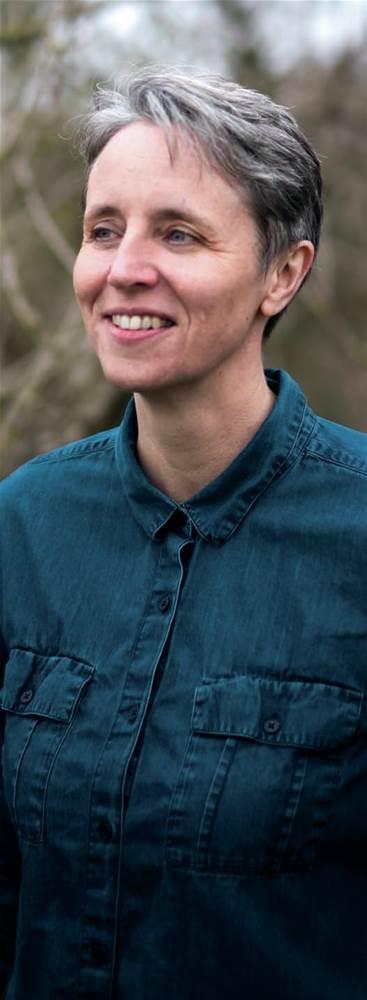
Kathleen Stock
PORTRAITS FOR PROSPECT BY SARAH M LEE

Kathleen Stock

Humans are a sexually dimorphic species. 99.8 per cent of us fall clearly into male or female categories, which in nature is as binary as it gets. Much ink is spilt to deny this, even talking about how we are all on a “spectrum.” But according to one plausible account, what determines which sex category an individual falls into is whether the developing human is on one of two pathways, either to produce small gametes (male) or large ones (female), even if that pathway is later disrupted through variation or disease.

Biological difference makes for social difference. That most females can get pregnant is one important fact. That females are on average weaker and smaller than males is another. The first makes a difference to earning power. The second makes a difference to assault statistics and to the performance gap in sport. These aren’t universal generalisations, but there are discernible patterns for those with eyes to look.

These and other relevant sex-associated patterns are more than skin deep. They go beyond outward appearances wrought artificially through hormones and surgery, let alone mere inner feelings of identity. There are situations where it’s polite and cost-free to respect someone’s preferred identity, but these are by no means ubiquitous. To describe sex-associated patterns, we still need words for the two types of human, and we need to use them. We also need words for the sexually mature and immature versions, for sexual maturity produces many important differences too. The words we have are “woman,” “man,” “girl,” and “boy.” Nearly all languages have equivalents. We can selectively go along with a fiction that people can change sex if we choose to, but we can’t afford to lose the words altogether.

Read the complete article and many more in this issue of Prospect Magazine
Purchase options below
If you own the issue, Login to read the full article now.
Single Digital Issue FREE Sample Issue
 
FREE
Read Now
This special issue is not included in a new Prospect Magazine subscription. Subscriptions include the latest regular issue and new issues released during your subscription.
PRINT SUBSCRIPTION? Available at magazine.co.uk, the best magazine subscription offers online.
 

This article is from...


View Issues
Prospect Magazine
FREE Sample Issue
VIEW IN STORE

Other Articles in this Issue


COLUMNS
Star of the small screen
Robert Hutton
How Brexit finally buried Thatcherism
Max Wind-Cowie
An atmosphere of sleaze, dishonesty and chaos
Dominic Grieve
Jeanette Winterson
Diary
The joy of lex
Sarah Ogilvie
STEPHEN COLLINS
How Starmer can fight back
Alan Lockey
How to fix the internet
Ethan Zuckerman
Wrong turn on rights
Ken Macdonald
Casting calls
Clerical life
Brief encounter
Malala Yousafzai, Activist
FEATURES
GOOD COP BAD COP?
After the Glasgow climate summit it’s time to target the banks, argues Bill McKibben
SHARE and SHARE alike
Only 3 per cent of people in low-income countries have been vaccinated against Covid while Big Pharma runs up billions in profits. It’s time to waive patents, argues Sarah Boseley
BRITAIN’S DOOMED DREAM OF SPLENDID ISOLATION
As it struggles to re-invent itself, the UK has shown a cavalier disregard towards France. The former French ambassador to London warns that Boris Johnson will eventually have to think again
The toppling of an editor
Geordie Greig was hired to produce a kinder, gentler version of arguably the most influential paper in Britain. Then he was brutally sacked. Jane Martinson investigates what just happened—and why Boris Johnson will be relieved
POISONED BY ASPIC
The organisation remains much loved and relatively uncowed by the culture wars. But it is being strangled by patronising conformity and needs to re-imagine its role
March of the PHALLOCRACY
The redevelopment around Nine Elms has pioneered a new model for the destruction of London as we know it
The ecstasy of SANCTIMONY
The old order of “decent discourse” is dying . But we still need the antiquated virtue of tolerance. Fintan O’Toole looks at the warriors who want to make cancel culture a blood sport
Ostracised, disinvited, rescinded. Examples and responses
Cast out Kate Clanchy speaks of the unbearable
GEN Z, EXPLAINED
In touch with their emotions and extremely online—how the youngest are coming of age
BOOKS & CULTURE
To Zoom or not to Zoom
Lockdown forced performances to go online in innovative ways. Can they keep going?
Birth of the anti-hero
Two hundred years after his birth, Dostoyevsky’s powerful dramas of good contending with evil still reverberate in our own turbulent times
A hunger for love and thought
Patricia Highsmith’s journals paint an unguarded portrait of the author of “Strangers on a Train”
Complex persecution
Is Christianity in the Middle East really doomed to extinction?
Broken promises
Damon Galgut’s Booker-winning novel charts the cruel legacy of South African apartheid in a bold, cinematic style
The allure of ooze
Slime plays a vitally important role in our lives, from biology to cutting-edge technology
In praise of the pragmatic
Richard Rorty thought we should all take our beliefs less seriously—especially politicians
Books in brief
Free by Lea Ypi (Penguin, £20) Following the
Revolutionary roads
One hundred years ago musicians like Béla Bartók broke the mould. Can today’s composers do the same?
Streams of consciousness
Twitch allows you to watch other people play video games, draw or even sleep. What’s the appeal?
Modernism for the masses
Channel 4’s film coverage held a mirror up to a diverse 1980s Britain—and offered a map to a new self
REPORT: LONGEVITY
Solving the longevity puzzle
Increasing life expectancy was one of the greatest achievements of the last century—but it’s also brought new challenges. It’s time for governments to address them, writes Jay Elwes
Old, grey—and just getting started
The definition of what counts as “old age” has changed, but retirement hasn’t. A new approach to work will ensure we adapt to a future in which many of us can expect to live longer— and more fulfilling—lives
Education in later life Old dogs and new tricks
Our education system is based on the premise that old people don’t learn as effectively as the young. But that couldn’t be further from the truth, writes David Willetts
Housing Beyond bricks and balance sheets
What happens when an ageing population collides with a housing crisis? That’s a question our policymakers need to start taking seriously, writes Helen Barnard
Squaring the ageing circle
At the same time as all of us can expect to live longer, the working-age population is set to dwindle. Overcoming this shift will be essential to maintaining our quality of life, writes George Magnus
A future fit for longer living
Much of our society remains stuck in 20th-century norms. The time is now to make better use of living longer, writes Catherine Foot
Doing away with age-old myths
Older people have a wealth of experience to offer the workplace. It’s time to put aside ageist stereotypes and learn from them, writes Sarah Harper
A global challenge
The charts make it all too clear. The
No money for old rope
Preserving property values has deprived our social care of a valuable source of funds. But a better understanding of the system might go a long way to changing that, writes James Kirkup
Too much paper work
Excessive risk management has stifled returns on private sector pensions. More needs to be done to ensure everyone can expect a stress-free retirement, writes Robin Ellison
Social care Remembering what’s important
The debate on ageing is dominated by the costs of services. What we really need is a return to fundamental values, writes Rachael Maskell
PEOPLE
Sublime vulgarity
Georgia Pritchett
Daddy issues
Jeremy O Harris
His island story
Abdulrazak Gurnah
Rapid rescue remedy
Helena Kennedy
Piano machine
Igor Levit
LIVES
Sublime games
Sporting life
Quitting my first job
Young life
A psychosis pandemic
Mindful life
I sniffed the soil… and I liked it
Farming life
Seeking asylum in a divided Britain
Displaced life
How do I start a new life at 89?
Long life
FRONT
Letters
Shift happens Pivots are uncomfortable. We are in
Escape the echo chamber…
Welcome to this New Year issue of Prospect.
Contributors
Sarah Boseley was named health journalist of the
PUZZLE
The Generalist by Didymus
Can you complete the grid?
BOOKS OF THE YEAR 2021
History
Far from seeking to abolish history, critical reexaminations
Lives
Three years after his death, Philip Roth still
Ideas
When Covid closed everything down, governments had to
Politics & Reportage
Politicians might have failed us during the pandemic
Chat
X
Pocketmags Support