Classical
Revolutionary roads
One hundred years ago musicians like Béla Bartók broke the mould. Can today’s composers do the same?
by KATE MOLLESON
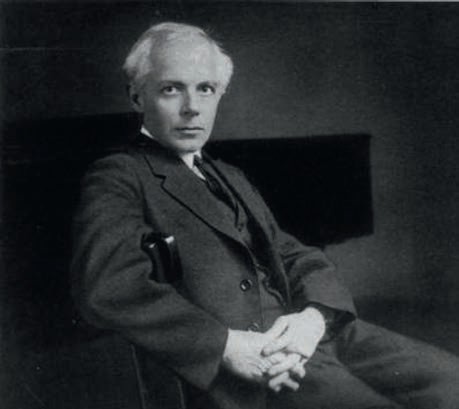
© FL HISTORICAL COLLECTION
1922. The year the Hungarian composer Béla Bartók went to Aberystwyth and broke down in a motorcycle sidecar. The motorcycle was being ridden by an English composer and music critic called Philip Heseltine, better known by his occultist pseudonym Peter Warlock. They made an unlikely pair. Warlock, a volatile Old Etonian in search of a purpose, was enthralled by the quiet, meticulous Bartók, who had fieldtripped across eastern Europe and beyond recording thousands of traditional tunes with a respect for their subtlest and wildest inflections that few classical composers could match. He sidestepped folk nationalism by digging deep and going mongrel, sourcing his material from far and wide. Refusing to be mired in border politics earned him flak in Hungary, but made his musical language resplendently rich.