THE BATTLE FOR THE NATIONAL TRUST
POISONED BY ASPIC
The organisation remains much loved and relatively uncowed by the culture wars. But it is being strangled by patronising conformity and needs to re-imagine its role
by JULIANGLOVER
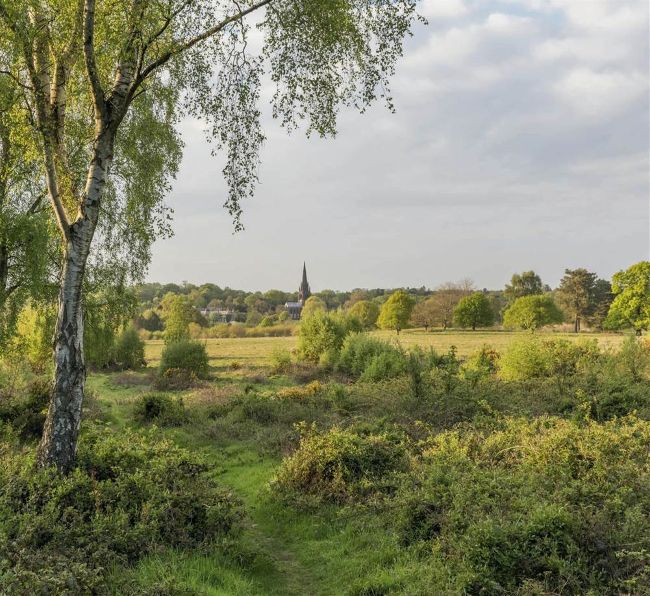
Enchanted: the National Trust’s Clumber Park estate in Nottinghamshire
© NATIONAL TRUST IMAGES / JAMES DOBSON
Clumber Park may be the ideal National Trust house—because it doesn’t exist. In 1938, a declining ducal family knocked down its pile and later sold its wooded estate to the Trust, which keeps it like an enchanted bit of Germany’s Black Forest, but in north Nottinghamshire. The result is a happy place to walk—think families with dogs, enjoying stalls selling herby toasted cheese sandwiches—without the awkwardness of having to work out what to do with a huge old building. No one needs to be dragged around a non-existent stately home.
I’ve sometimes wondered if exasperated curators would like to do the same with a few of their other lesser properties, but these days you can’t blow up a National Trust mansion, at least not physically— even if the metaphorical recent explosions linked to the culture wars are doing some damage. Thankfully, the point of the Trust is to protect everything it owns— for everyone, forever, as its motto runs. This is a national miracle. If it is here today, it stays, always.
Without the Trust’s protection, Clumber Park’s deep forest might have been felled and replaced with distribution depots serving the nearby A1, just as, without the Trust, all those other special corners of its holdings—from the little market hall in the Derbyshire village of Winster, which I pass most days, to the top of Scafell Pike—would be despoiled. Imagine an England that had spent the 20th century without the Trust to say no to uglification, and you’ll imagine a lesser land.